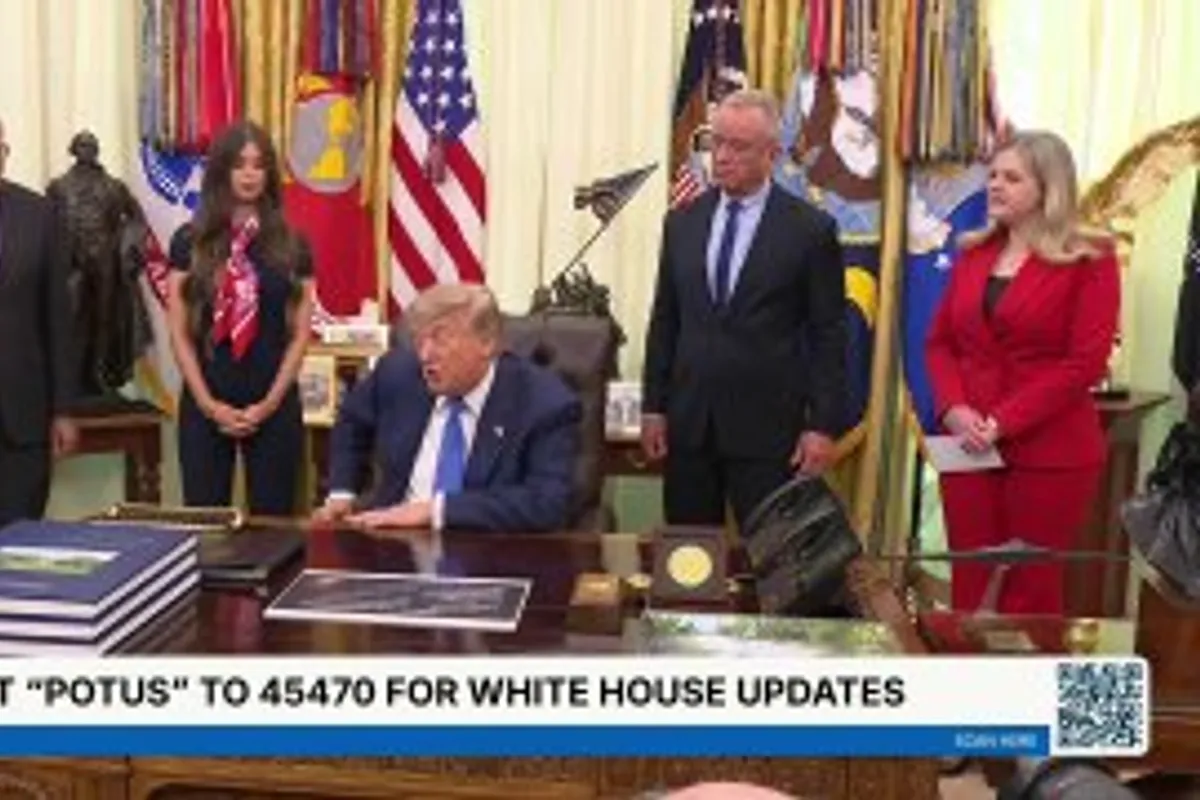
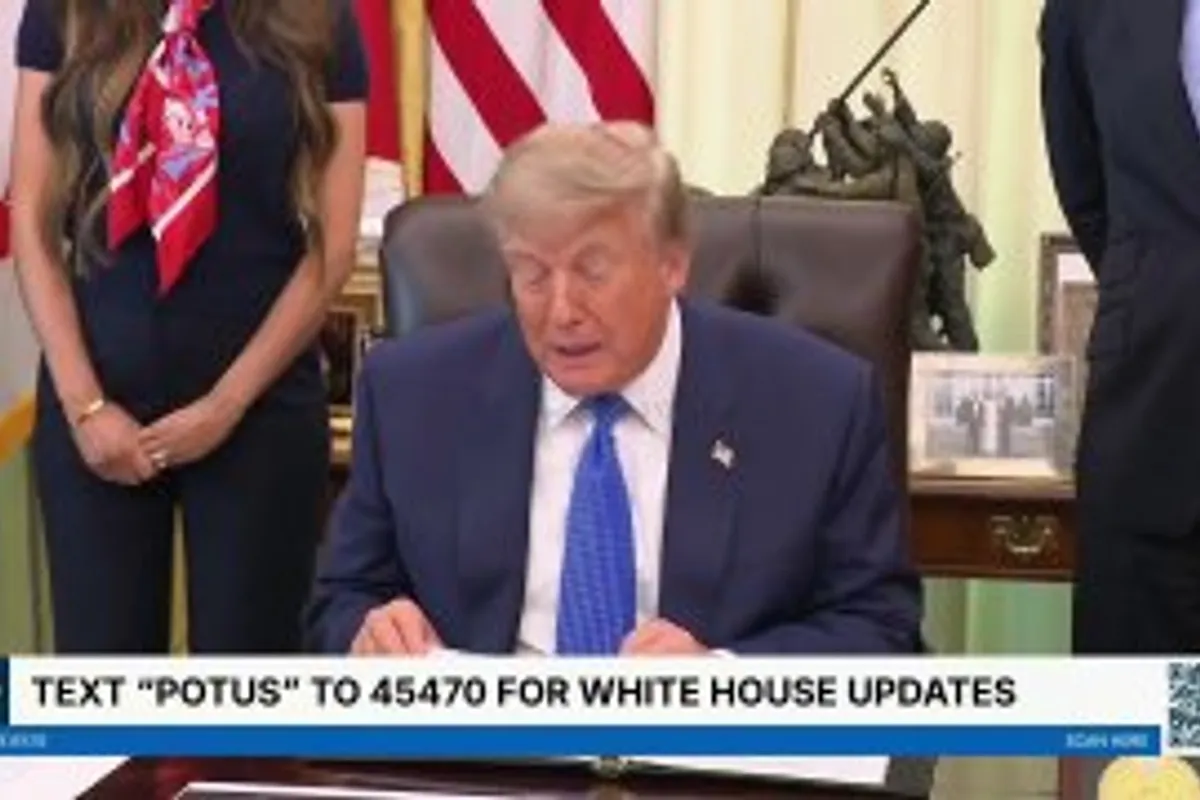
US President Donald Trump announced on Monday, August 10, 2026, that he will demand compensation for decades of attacks on American targets as part of all future peace negotiations with Iran. His statement is a direct response to Iran's demand that Washington pay war reparations for damage incurred during the five-month conflict.
"I see that representatives of the Islamic Republic of Iran are demanding reparations for the damage inflicted on them during the past five months of military conflict, although this was never mentioned at any of the meetings! But that's an interesting idea, because now I also demand reparations from Iran for all the people they have killed and seriously wounded," Trump wrote on his social media platform Truth Social.
Compensation for Two Decades of Attacks
Trump's demand is not limited to the consequences of the current war that began on February 28 with a US-Israeli military operation. It encompasses Iranian attacks on American targets over the past more than 20 years, including the bombing of the US destroyer USS Cole in 2000, for which Trump previously suggested Iran was "probably involved."
According to Euronews, Trump is also seeking compensation for the families of Iranian protesters killed by authorities over the past 50 years. In a subsequent post, he added that the Islamic Republic should also be held accountable for the deaths and damage it has caused in Lebanon, Syria, Yemen, and Gaza.
Stalled Negotiations and Strait Blockade
Negotiations between Washington and Tehran are currently at a standstill, and Trump's new escalation of demands further distances the possibility of a quick agreement. Iran has blocked the Strait of Hormuz, leading to rising fuel prices and shaking the global economy, putting pressure on Trump ahead of the November congressional elections.
Although the two sides signed a memorandum of understanding on a ceasefire in June 2026, the US resumed major attacks on Iran on July 8, accusing it of violating the agreement on the Strait of Hormuz. In recent days, Trump has sent contradictory signals: he threatened "very severe" strikes on civilian infrastructure, only to then suggest he was conducting "half-hearted negotiations" and taking a more restrained approach to the conflict.
Appointments in Iran's Military Leadership
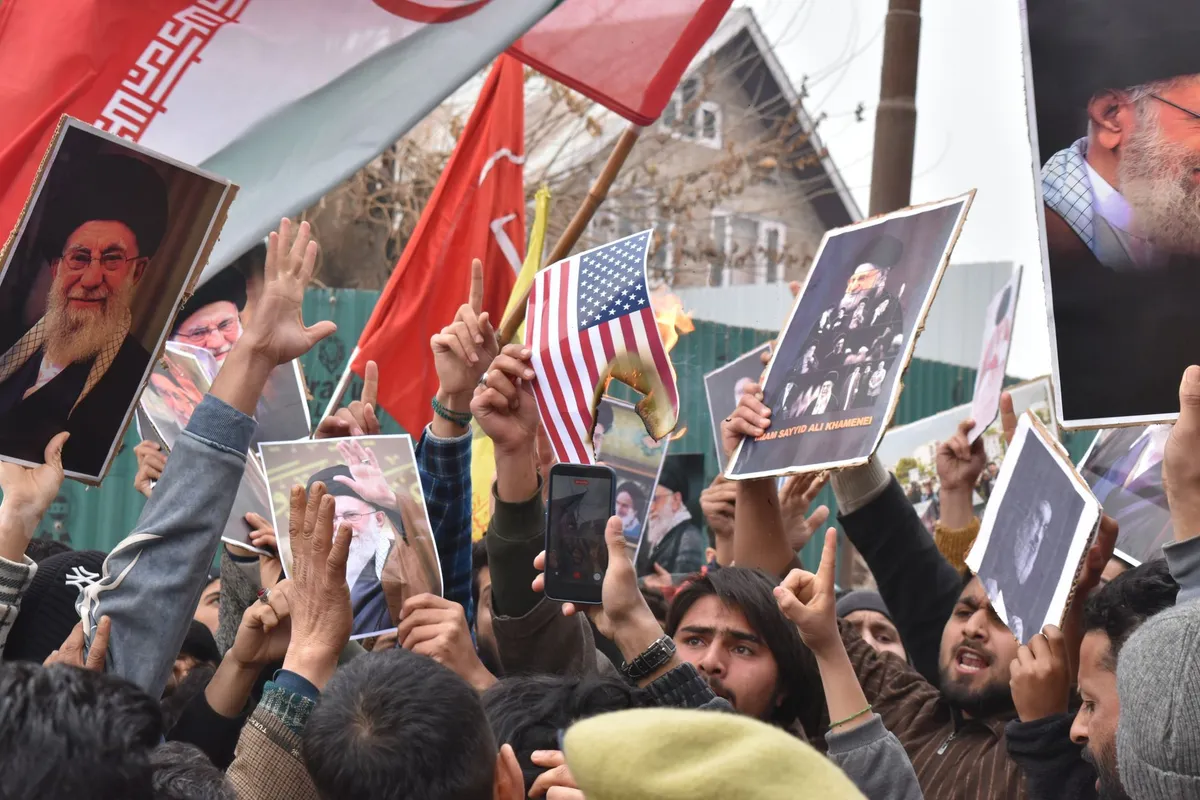
On the same day Trump made his demand, Iran's Supreme Leader Mojtaba Khamenei appointed Major General Ali Abdollahi as Chief of Staff of the Armed Forces. Ahmad Vahidi was appointed to head the Islamic Revolutionary Guard Corps, promoted to the rank of Major General, as announced on Khamenei's official website.
Abdollahi previously led Khatam al-Anbiya, Iran's joint central military command responsible for coordinating operations. These are the first high-level military appointments since Khamenei succeeded his father as Supreme Leader, following the latter's death in US-Israeli attacks at the beginning of the war.
The new Chief of Staff has previously issued stern warnings to regional neighbors, stating that "any country that serves as a defensive shield for criminal and aggressive America will be engulfed in the flames of war."