Tourism under the Taliban: Weapons at Every Turn
The Taliban are trying to attract foreign tourists to Afghanistan, but strict rules, a ban on music, and restrictions on women make travel controversial.
The Taliban are trying to attract foreign tourists to Afghanistan, but strict rules, a ban on music, and restrictions on women make travel controversial.
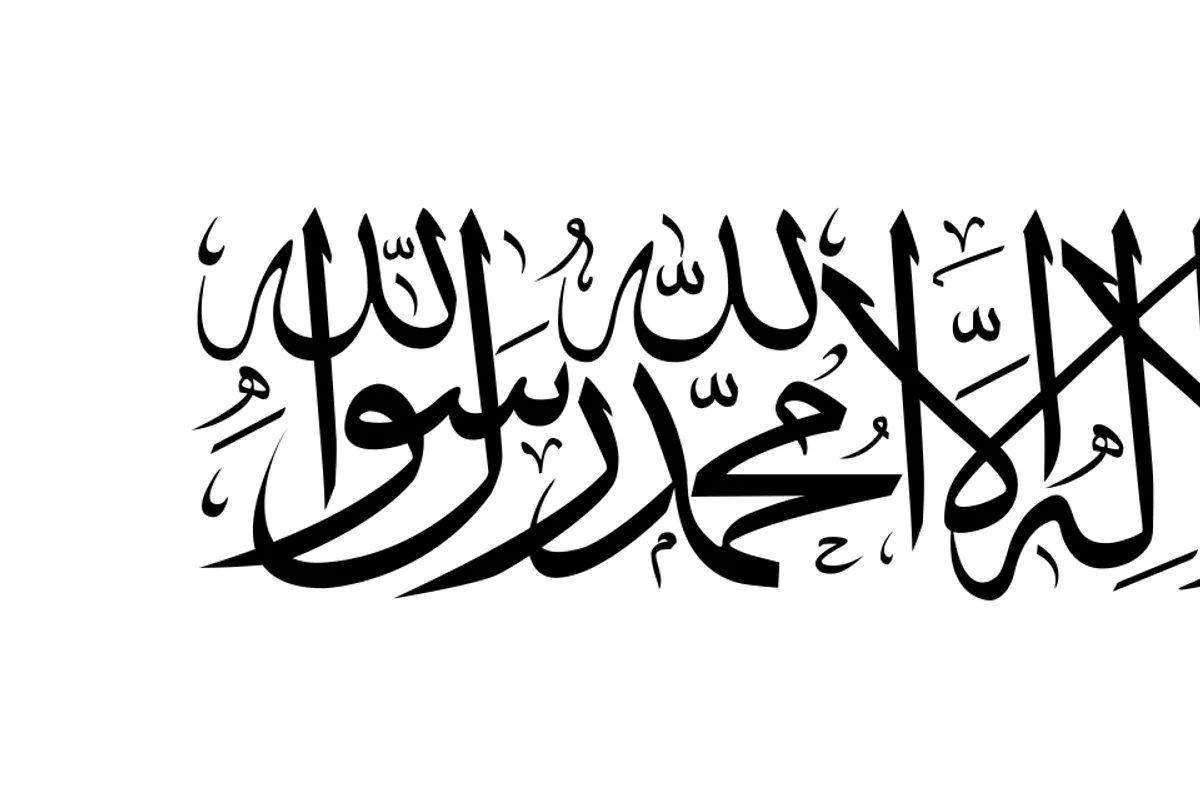
The Taliban are trying to attract tourists to Afghanistan, a country where dreams of a vacation collide with armed guards at every turn. According to the Ministry of Culture, more than ten thousand foreign tourists visited the country last year, and the authorities are now actively working to increase that number.
At Kabul's markets, under colorful pyramid-shaped umbrellas, velvety peaches are arranged, and right next to the fruits and vegetables are camouflage uniforms. Taliban with rifles oversee the entire scene. In the city center, children stand by the roads, knock on car windows, and beg for money, a clear sign of the humanitarian crisis gripping the nation.
Behind them, large, newly built buildings and banquet halls with facades illuminated by lavish lights are visible. Weddings are held there, but without song and dance: Afghanistan is the only country in the world where music is banned.
The country's most famous national park, Band-e Amir, reveals a series of six lakes with ultramarine blue water amid a stunning rugged landscape. Yet, the place is deserted, with no tourists in sight. What is concerning is the fact that women are not allowed to enter the national park, nor many other famous destinations, except in the very early morning hours. Consequently, their husbands often stay home as well.
Kubib Gafran from the Ministry of Culture promises "a safe country, untouched nature, hospitable people, and affordable travel prices." However, there are prerequisites. "If you come here, you must respect our Islamic and cultural laws. Within those boundaries, you can go wherever you want," says Gafran.
The authorities require that every visitor be accompanied by a tour agency. These agencies then explain to tourists how to behave, for example at religious sites, and ensure that no one violates what is called the Taliban's morality law. It is very easy to break the rules, for instance, by taking a photo that shows a woman.
Dress codes must also be respected: while men can wear short-sleeved shirts and jeans, female tourists must be covered from head to toe. Unlike local women, however, they are allowed to have their faces uncovered.
A small but growing number of influencers travel to Afghanistan. Among them is Ankita from India, who travels and creates professional content for Instagram. She finds Afghanistan's contradictions hard to bear: "I'm happy for ten minutes, and the next ten minutes I'm sad, because I feel that although people are truly kind to us foreign women, the authorities are not kind to women at all."
Hanelora, a tourist from the Black Forest, was not discouraged by the German government's travel warning for Afghanistan. According to the German Foreign Office, "consular assistance on the ground is not possible." The German embassy in Kabul has been closed since 2021, when the Taliban regained power. When she told friends she wanted to travel to Afghanistan, many were shocked. "I told them I wanted to check for myself whether everything is really that negative," says Hanelora.
When it comes to security, she was pleasantly surprised. She claims that seeing armed men on every corner gives her a sense of safety. Other members of her tour group perceive the ever-present security forces as part of the landscape. "Like trees or the blue sky," says Michal, a Polish financial expert.
Veronika Štaudaher from Caritas says she is not a big proponent of "heavily promoting Afghanistan on social media." However, she adds: "I think it's important to get to know countries, and above all the people who live there, in order to understand what lies behind it all."
And behind it all lies the fact that a third of the population lacks access to basic health services, while maternal and child mortality rates are very high. Unemployment, poverty, and hunger plague the country, further exacerbated by sanctions and isolation from the world.
Roza Otunbayeva, head of the UN mission in Afghanistan, agrees that the authorities are interested in economic development: "The de facto authorities in Afghanistan are very interested in boosting the country's economic development." However, she adds that it should be ensured that any growth in tourism primarily benefits local communities.