Ukrainian Military Sets Record in Purchasing Combat Robots
In July alone, over 640 ground robots were purchased, a 680 percent jump from last year's average, with more than 3,000 units ordered since the launch of Brave1 Market.
In July alone, over 640 ground robots were purchased, a 680 percent jump from last year's average, with more than 3,000 units ordered since the launch of Brave1 Market.
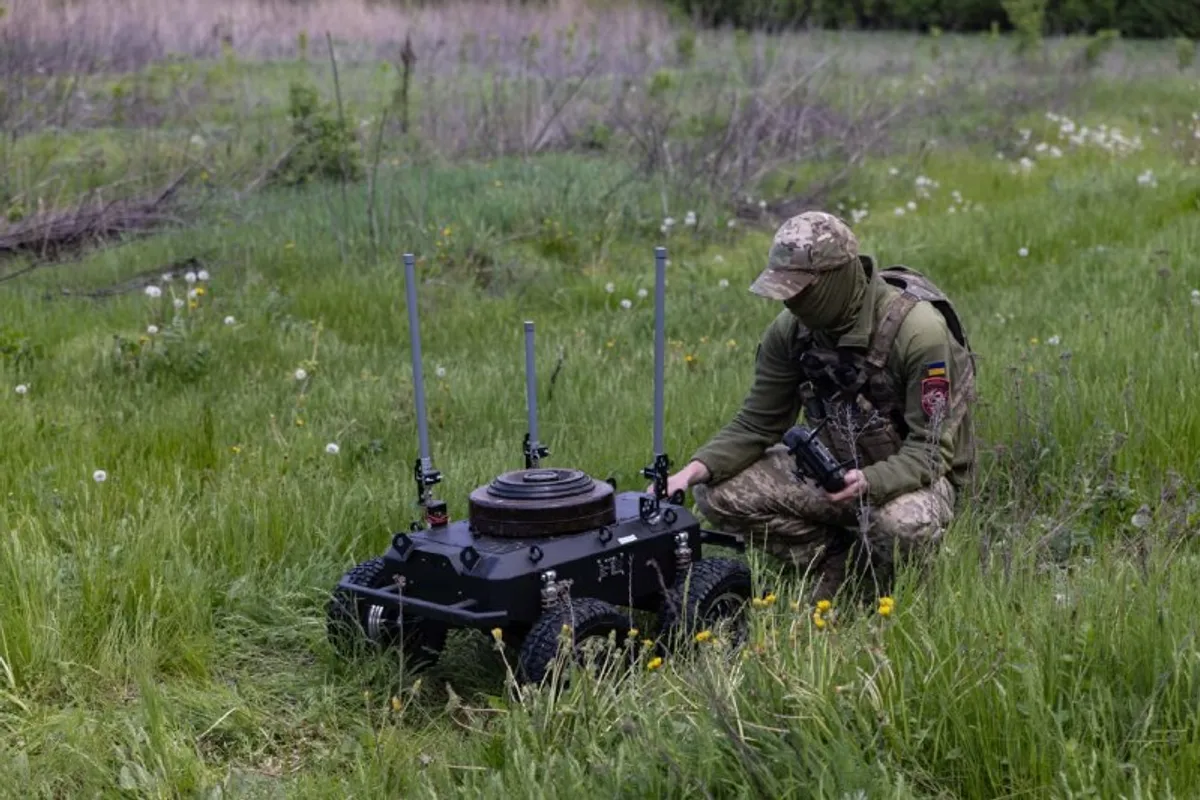
Ukraine's armed forces are mass-ordering ground robots through the Brave1 Market digital platform, with figures released on Monday by the state innovation platform signaling a strong shift toward battlefield automation. Since the market's launch in April 2025, the military has ordered over 3,000 unmanned ground vehicles, with more than 640 units purchased in July 2026 alone.
That July figure represents a 680 percent increase over the average monthly purchases during 2025, confirming Kyiv's growing reliance on machines over humans for dangerous combat tasks.
The Brave1 Market platform was launched in April 2025 as a sort of "Amazon" for military technology, allowing units to directly purchase drones, robots, and electronic warfare systems from the defense industry. A key shift occurred in October 2025 when ground vehicles became available for purchase using "e-points" that soldiers earn for confirmed destruction of Russian troops and equipment, as well as for completing other combat tasks.
Yuliia Myrna, product manager for Brave1 Market, told Business Insider that ground robots and interceptor drones are "among the fastest-growing categories we see in 2026." She added that military units now earn e-points for successfully executing missions with robotic systems, creating an incentive to replace personnel in high-risk tasks wherever possible.
Myrna also explained the broader impact of the widespread use of robots on the front line. "It creates a powerful development cycle... more usage on the battlefield generates more operational feedback for manufacturers, leading to faster product improvements and ultimately helping us remove people from missions that machines can perform," she said.
Combat robots are increasingly used for logistics, cargo delivery, and casualty evacuation. Ukrainian officials have set a goal for robots to take over 100 percent of battlefield logistics, missions that have become extremely dangerous due to the spread of the so-called "kill zone" saturated with drones along the front line.
The surge in demand is matched by an explosion in domestic production. While only a few Ukrainian companies produced ground robots at the start of the full-scale Russian invasion, today there are more than 280, Andrii Hrytseniuk, CEO of Brave1, told Business Insider.
The commander of a UGV company in the 21st Unmanned Systems Regiment "Kraken," known by the call sign Grek, emphasized the human dimension of this technological transition. "The stakes of removing people from dangerous missions are significant," he said. "Every time a person is exposed to a high-risk environment, there is the possibility of injury, loss of life, or reduced combat effectiveness. Protecting personnel means preserving experience, training, and leadership that cannot be easily replaced."