Ukrainian Drones Set Fire to Two Russian Oil Refineries, Moscow Claims It Shot Down 397 Aircraft
At least seven people were injured in overnight attacks on the Samara region and Krasnodar Krai, with fires breaking out at oil processing facilities.
At least seven people were injured in overnight attacks on the Samara region and Krasnodar Krai, with fires breaking out at oil processing facilities.
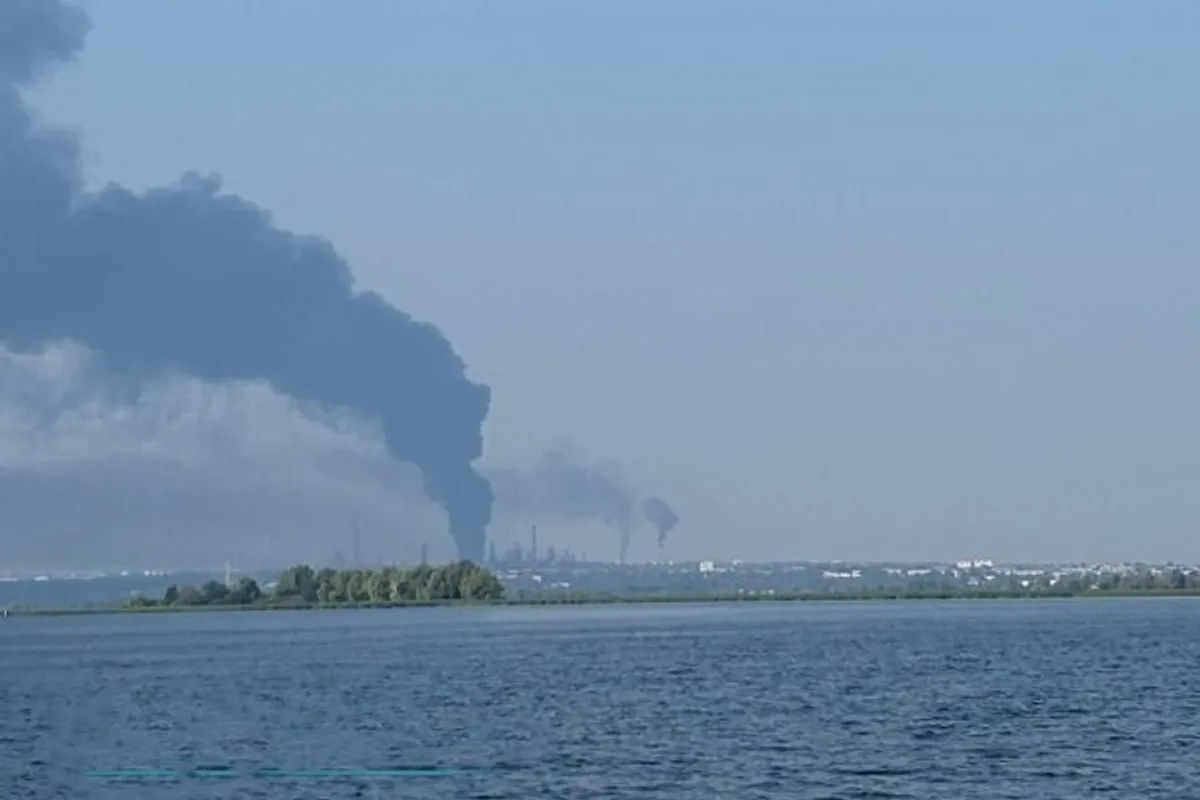
In the night from Friday to Saturday, August 8, 2026, Ukrainian drones carried out a coordinated attack on two Russian oil refineries, causing major fires and injuring several people. Russian authorities confirmed the incidents in the Samara region and Krasnodar Krai, while the Russian Ministry of Defense stated that its air defense forces intercepted and destroyed a total of 397 Ukrainian drones above several Russian regions, annexed Crimea, and the Sea of Azov during the night.
Vyacheslav Fedorishchev, the governor of the Samara region, confirmed that one of the drones hit an industrial facility in the region, without specifying which exact facility. However, Ukrainian military tracking channels like AMK Mapping and the Russian independent publication Astra report, citing eyewitness videos, that the target was indeed the Syzran oil refinery. This is not the first time this strategic facility has been targeted since the start of the war in Ukraine.
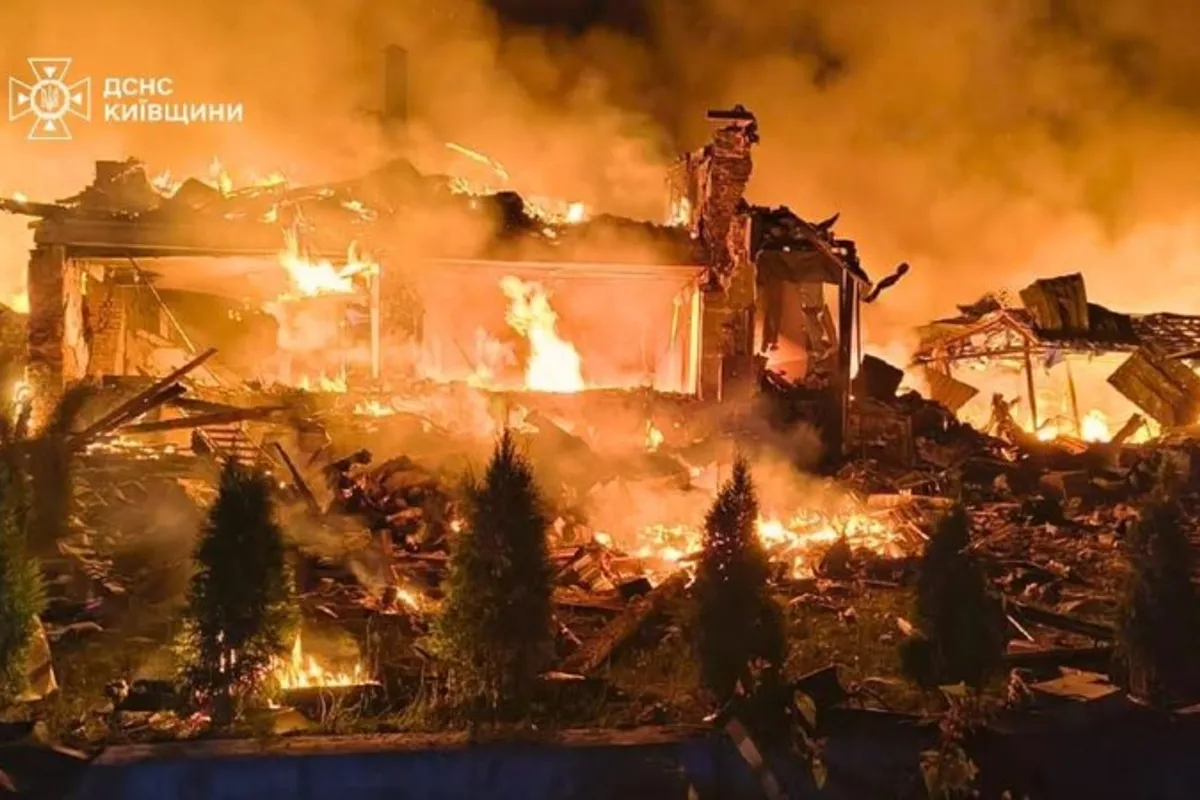
In a separate incident, as reported by the operational headquarters of Krasnodar Krai, a fire also broke out at the Ilsky oil refinery. According to the official version, the fire was caused by the fall of "drone debris." Five people were injured in this attack. Local authorities in the city of Zadonsk, in the Lipetsk region, also confirmed that two people were injured in a separate drone attack on their area, bringing the total number of reported injuries in the overnight strikes to seven.
The Russian Ministry of Defense boasted that its air defense forces neutralized 397 Ukrainian drones during the night. This figure suggests the scale of the latest wave of attacks, which was clearly aimed at targets across western and southern Russia, including the area of Crimea and the Sea of Azov. Attacks on energy infrastructure have become a regular occurrence in the conflict, with both sides seeking to weaken the logistical and economic capacities of their opponents.