Ukrainian Gamers Become the Best FPV Pilots
Ukrainian military instructors have found that video game experience, particularly with a demanding helicopter mission in GTA, predicts success in operating combat drones on the front line.
Ukrainian military instructors have found that video game experience, particularly with a demanding helicopter mission in GTA, predicts success in operating combat drones on the front line.
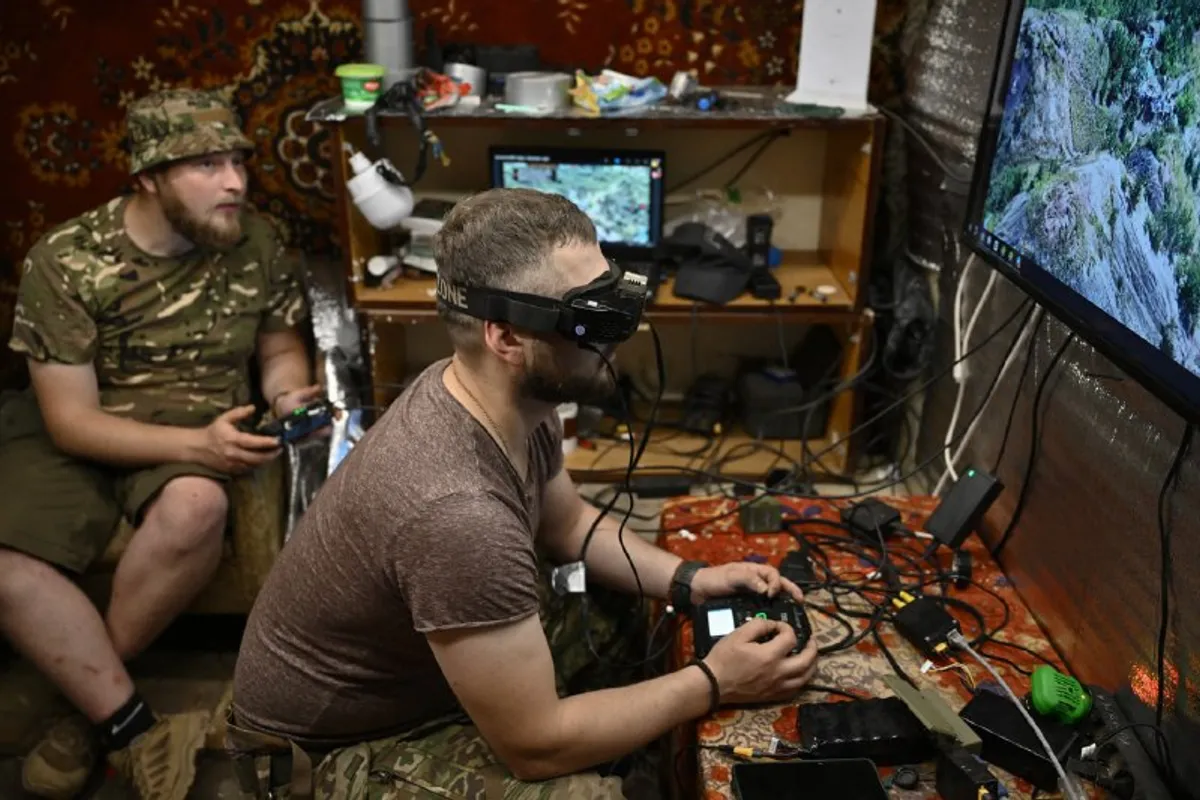
Ukrainian military instructors have identified an unconventional source of talent for combat aviation: recruits with extensive video game experience, especially those who have successfully completed the infamous helicopter mission in Grand Theft Auto. According to a report published on August 12, 2026, by Clash Report, such candidates become elite FPV drone operators on the front line.
Captain Anton Bobrovskyi, commander of the unmanned systems training company at the 199th Training Center of the Ukrainian Air Assault Forces, highlighted gamepad proficiency as a key indicator of piloting potential. The military actively filters incoming personnel, seeking those with extensive video game experience.
"Those who completed the helicopter mission in it became some of the best FPV drone operators," Bobrovskyi told Ukrinform, referring to the Grand Theft Auto franchise.
Ukrainian instructors believe that gamers who have mastered this demanding mission are among the most successful FPV operators on the front.
The Air Assault Forces rely heavily on civilian technical expertise to sustain their unmanned operations. IT specialists and hardware technicians quickly transition into specialized roles. Front-line drone units manage extensive maintenance facilities that require constant firmware updates and hardware upgrades.
Training timelines reflect the complexity of the equipment. Certification for multirotor aerial reconnaissance takes up to 15 days, while programs for heavy bombers and FPV pilots require a month of training. The military has recently expanded the curriculum to include fixed-wing strike drones, platforms with an operational range of 120 kilometers and a payload capacity of 10 kilograms.
FPV technology has fundamentally changed engagement ranges on the battlefield. Drone operators execute precision strikes while maintaining visual contact with targets down to the level of an individual infantryman. Unmanned platforms have simultaneously reduced casualties among command personnel, as reconnaissance drones allow senior officers to direct artillery fire without exposing themselves at forward observation posts.
"We have changed the rules of the game on the battlefield, taking the lead that we hold," Bobrovskyi stated.
Ukrainian forces maintain a distinct operational advantage in drone bombing mechanics. Russian infantry units often struggle to adapt when faced with specialized Ukrainian bomber drones.
Kyiv is heavily investing in unmanned ground vehicles (UGVs) to automate front-line logistics and defensive perimeters. UGV training remains the most intensive aviation program, lasting over a month. Logistics drones currently carry payloads of up to 300 kilograms, transporting ammunition forward and evacuating the wounded, thereby removing vulnerable transport vehicles from active fire zones.
Automated defensive strategies are already being actively deployed across the front. In one instance, a Ukrainian air assault brigade established a fortified platoon stronghold using exclusively UGVs equipped with heavy machine guns and automatic grenade launchers. The integration of artificial intelligence and autonomous targeting systems represents the next phase of unmanned warfare. Planners envision strike bombers capable of operating at distances of 300 kilometers with minimal human oversight.