Waves in the Head: When and Why to Get an EEG Brain Scan
An electroencephalogram is a painless and non-invasive test that gives doctors insight into the brain's electrical activity, and it is used to diagnose much more than just epilepsy.
An electroencephalogram is a painless and non-invasive test that gives doctors insight into the brain's electrical activity, and it is used to diagnose much more than just epilepsy.
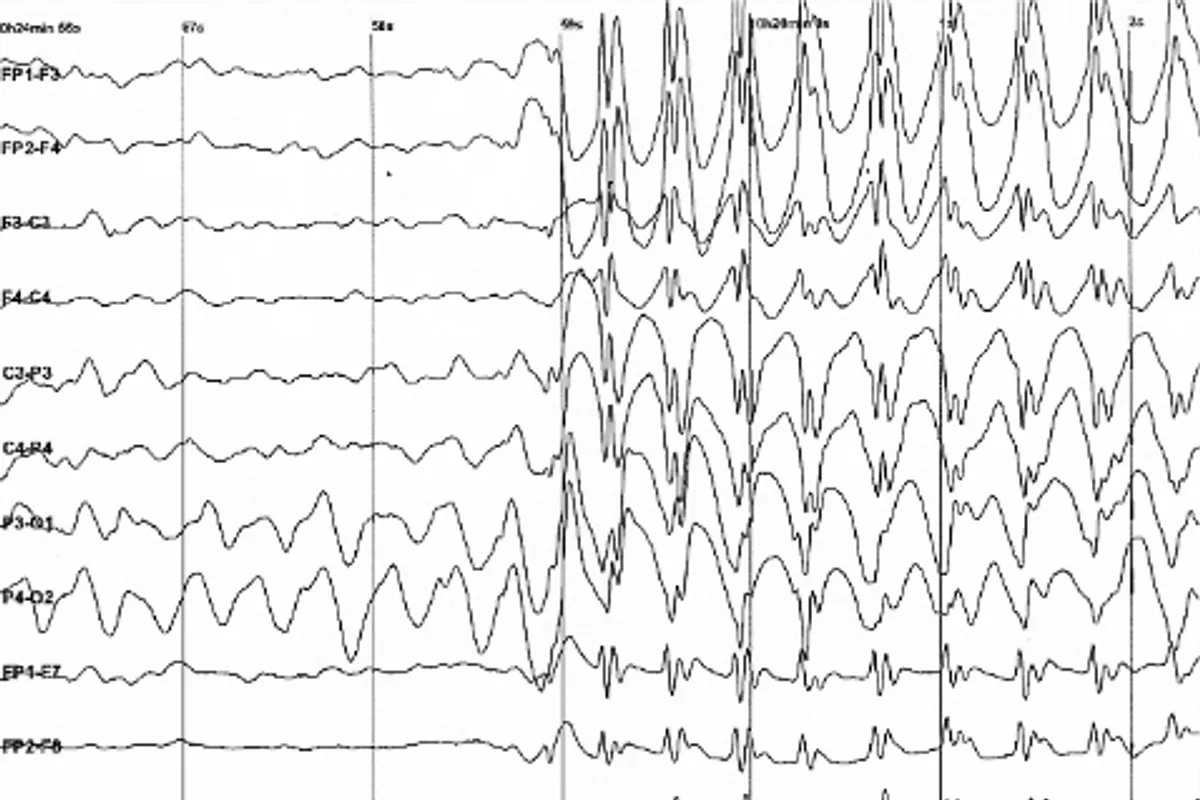
When a doctor mentions an EEG, many patients feel uneasy, but the fear is completely unfounded. It is a safe, entirely painless, and non-invasive test that records the electrical activity of brain cells. Our brain constantly communicates through tiny electrical impulses, even during sleep, and the electroencephalogram captures these signals and translates them into wavy lines that give the doctor a unique view of its current function, not just its structure like an MRI or CT scan.
Although suspected epilepsy is the main reason for referral to this test, its use is much broader. The EEG is the gold standard for confirming the abnormal electrical activity characteristic of seizures and helps distinguish epileptic seizures from conditions with similar symptoms, such as fainting. In intensive care units, this device is also crucial for monitoring patients in a coma, determining the extent of damage in head trauma or stroke, and identifying inflammatory processes in the brain, i.e., encephalitis.
Your doctor may also refer you for an EEG due to chronic headaches, unexplained dizziness, or loss of consciousness. It plays a particularly important role in diagnosing sleep disorders, where analyzing brain waves overnight can reveal the causes of insomnia or narcolepsy. In children, it is used to assess brain function in cases of developmental delays, ADHD, or tics, but only if there is a suspicion of hidden epileptic activity.
The procedure itself is very simple. A technician will place about twenty small electrodes on your scalp using adhesive paste or a special elastic cap. A standard recording lasts between 20 and 40 minutes, during which you lie still with your eyes closed. It is important to note that the electrodes only monitor brain activity and do not send any electrical impulses. To provoke specific brain reactions, the technician may ask you to breathe deeply or watch a flashing light.
Preparation for the test is minimal. The most important thing is to arrive with clean, dry hair, without any styling products like gel, hairspray, or conditioner, as they can interfere with electrode adhesion. Also, it is recommended to avoid caffeinated drinks for at least eight hours before the test. In certain situations, especially when epilepsy is suspected, the doctor may recommend an EEG after you have been sleep-deprived for a full night, and you will receive detailed instructions about this.
It is equally important to understand the limitations of this test. An EEG is not a test that "reads minds" and is not routinely used to diagnose conditions like migraines, tics, febrile seizures, or learning difficulties and autism, unless there is also a suspicion of seizures. Furthermore, a normal EEG result does not mean epilepsy is absent, as abnormal activity may not appear during such a short recording. That is precisely why a neurologist always interprets the result solely in the context of the patient's overall clinical picture and symptoms, as reported by Ordinacija.hr.