Why do veins give way in your forties and what signs to watch out for
Entering your fifth decade is a 'perfect storm' for your venous system. Hormonal changes, weakening muscles, and cumulative damage lead to visible and painful vein issues.
Entering your fifth decade is a 'perfect storm' for your venous system. Hormonal changes, weakening muscles, and cumulative damage lead to visible and painful vein issues.
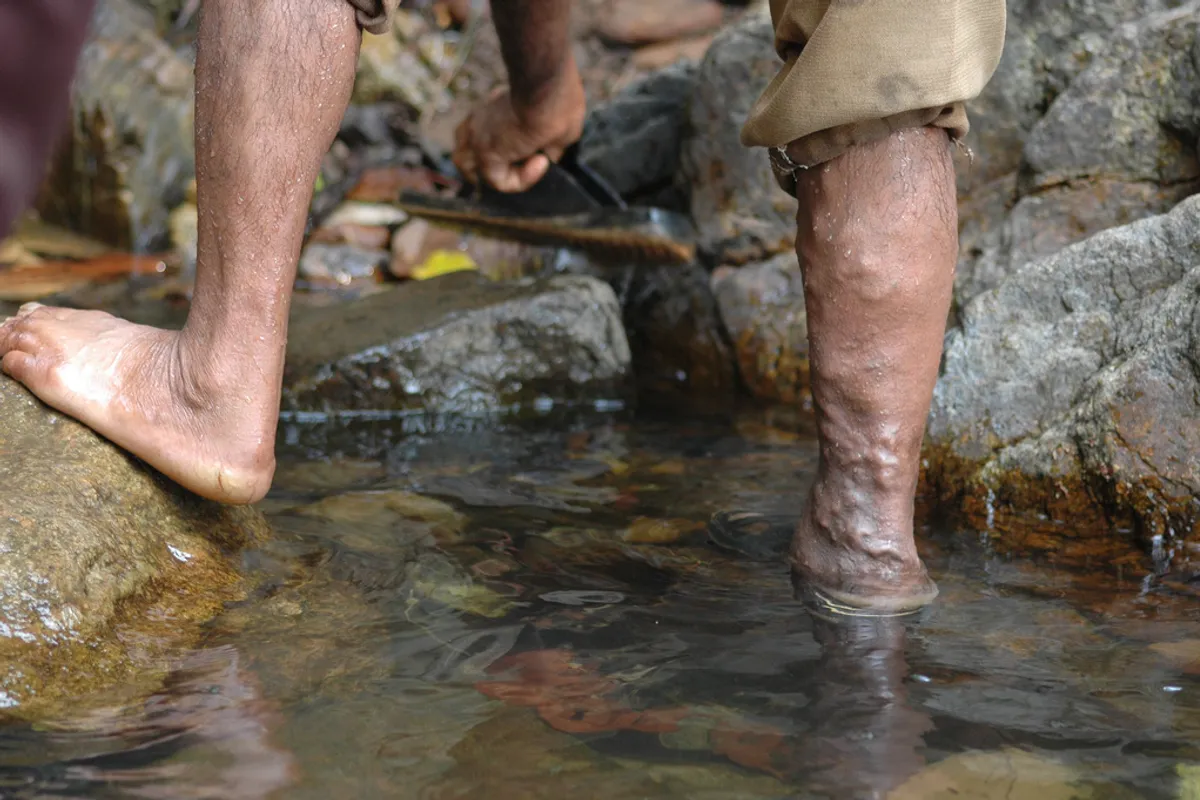
For many people, entering their 40s brings unwelcome changes to their legs, from visible capillaries to painful varicose veins. This phenomenon results from a combination of hormonal changes, accumulated damage, and muscle weakening. An article published on Ordinacija.hr on August 8, 2026, explains why veins start to give way at this age and which warning signs require immediate attention.
The article's author describes entering your 40s as a 'perfect storm' for the venous system. After years of battling gravity, the venous valves, which are crucial for preventing blood from flowing backward, begin to fail. At the same time, the body enters perimenopause, a period of hormonal fluctuations that precedes menopause. Fluctuating levels of estrogen and progesterone directly weaken blood vessel walls, making them more prone to dilation.
Add to that the cumulative damage from earlier decades, caused by prolonged standing, pregnancies, or athletic strain. The damage that has long been hidden now, under the combined stress, finally surfaces.
Aging veins are a real biological process. Just as skin loses collagen and elastin, the same process affects blood vessel walls, which become stiffer and lose elasticity. Instead of returning to their original shape, they stretch and remain dilated. Sarcopenia, the natural loss of muscle mass after age 40, also plays a key role. The calf muscles act as a 'second heart,' pumping blood upward, but their weakening reduces this function and increases blood pooling.
Before veins become visible, the body sends subtler signals: heaviness and fatigue in the legs, nighttime cramps, throbbing pain, or swelling in the ankles. These symptoms are early signs of chronic venous insufficiency and should not be ignored.
Although rare, a burst or ruptured varicose vein is a medical condition that requires immediate action. Due to increased pressure inside a weakened vein lying just beneath thinned skin, even a minor injury like a scratch can lead to bleeding. It can be surprisingly heavy.
In such a case, it is crucial to lie down immediately, elevate the leg high above heart level to reduce pressure, and apply firm, continuous pressure directly to the bleeding site with a clean cloth or gauze for ten minutes. Even if the bleeding stops, a medical examination is mandatory because a rupture indicates advanced venous disease and a high risk of recurrence.
The greatest danger of neglected varicose veins is not just bleeding, but also the risk of blood clots. Research has established a link between varicose veins and a significantly increased risk of deep vein thrombosis (DVT), a condition where a clot forms in the deep veins of the legs. Signs of DVT include sudden swelling of one leg, intense pain, a feeling of warmth, and visible redness.
This is an emergency because part of the clot can break off, travel to the lungs, and cause a pulmonary embolism, which can be fatal. Long-term venous insufficiency can also cause skin changes, such as darkening and hardening, and even the development of slow-healing venous ulcers. Therefore, symptoms that interfere with daily life should never be ignored.