Excess Fluid in the Heart's Lining: Why the Speed of Accumulation Is Crucial for Survival
Fluid buildup in the sac around the heart can quickly lead to shock and death, making it vital to recognize the signs and seek emergency medical care.
Fluid buildup in the sac around the heart can quickly lead to shock and death, making it vital to recognize the signs and seek emergency medical care.
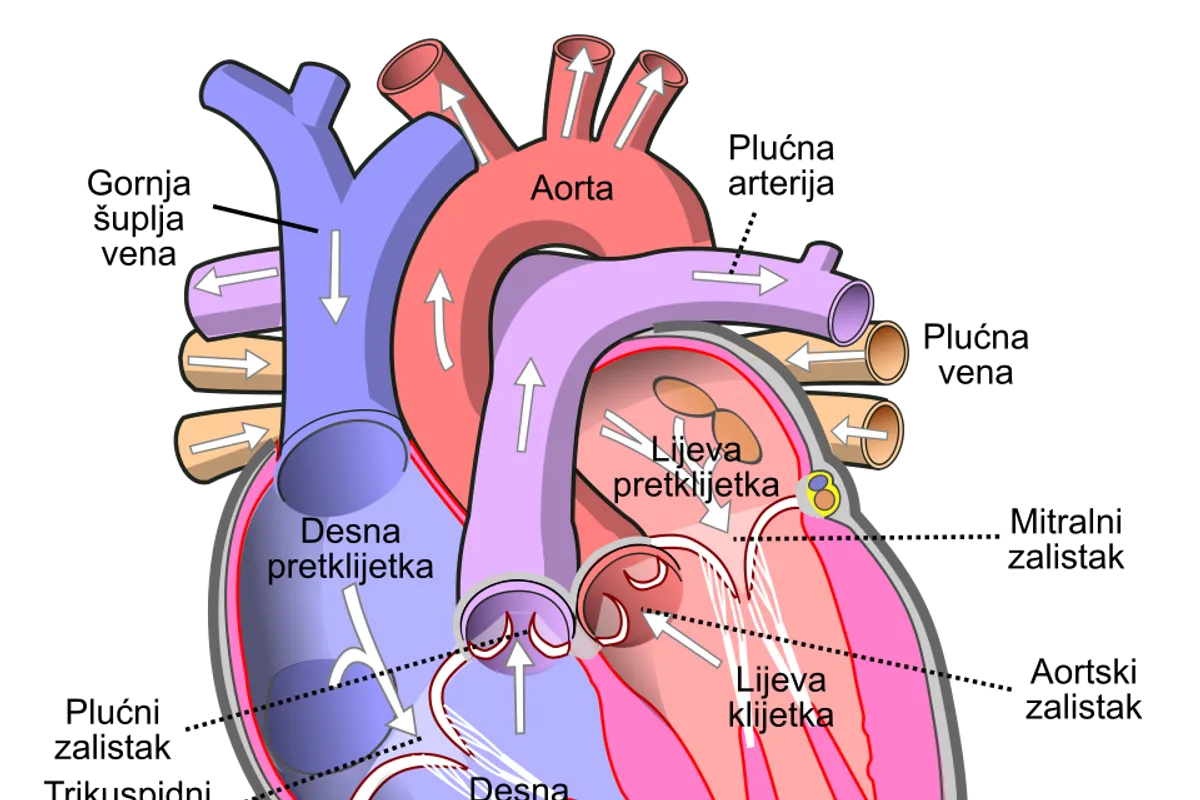
Cardiac tamponade is a medical emergency that occurs when excess fluid-such as blood, pus, or inflammatory effusion-accumulates in the pericardium, the sac surrounding the heart. This pressure physically compresses the heart muscle, preventing the chambers from fully expanding and filling with blood, which significantly reduces the volume of blood pumped to the body. The result is obstructive shock, a serious condition in which vital organs do not receive enough oxygen, potentially leading to organ failure.
The speed of fluid accumulation plays a critical role-even a small amount, if it builds up suddenly, can be fatal. With slower accumulation, the heart has more time to compensate, but without intervention, the outcome is always life-threatening.
Numerous conditions can lead to cardiac tamponade. Among the most common causes are inflammation of the heart's lining (pericarditis) due to infections, chest trauma causing bleeding, and malignancies such as lung or breast cancer, which often lead to effusion. Additionally, dramatic and acute triggers include complications after heart surgery, rupture of the heart wall following a heart attack, or aortic dissection.
Other factors include severe kidney failure (uremia), autoimmune disorders like lupus, underactive thyroid, chest radiation, and injuries resulting from medical procedures.
Recognizing the symptoms is crucial for a timely response. The main symptom is sharp chest pain that may radiate to the neck and shoulders, typically easing when the person leans forward, while worsening with coughing or deep breathing. Difficulty breathing and a feeling of suffocation are almost always present.
Because the heart cannot maintain circulation, low blood pressure and a rapid heart rate occur as compensatory mechanisms. Patients often experience pronounced weakness, dizziness, anxiety, and restlessness. The skin may be cold and clammy, and in severe cases, fainting can occur.
Diagnosis is made quickly, based on the clinical picture and targeted tests. Doctors look for the classic signs known as Beck's triad-low blood pressure, distended neck veins, and muffled heart sounds-and check for a significant drop in blood pressure during inspiration. An echocardiogram, an ultrasound of the heart that reliably shows fluid around the heart and the degree of chamber compression in real time, is the cornerstone for confirming the diagnosis.
Since tamponade is a mechanical problem, the solution is emergency drainage of the fluid through a procedure called pericardiocentesis. During this procedure, a needle is inserted into the pericardial space to withdraw the excess fluid, immediately reducing pressure and saving the patient's life.
Because cardiac tamponade directly threatens life and requires urgent medical intervention, it is crucial not to ignore symptoms such as unexplained chest pain and difficulty breathing. Seeking help promptly significantly increases the chances of survival and successful recovery, as any delay can have fatal consequences.