Over 200 Festivals a Year Shape Croatia
From Ultra, which brings over €100 million to the local economy, to niche gatherings, festivals have become indispensable economic and cultural drivers, but also a major challenge for sustainability.
From Ultra, which brings over €100 million to the local economy, to niche gatherings, festivals have become indispensable economic and cultural drivers, but also a major challenge for sustainability.

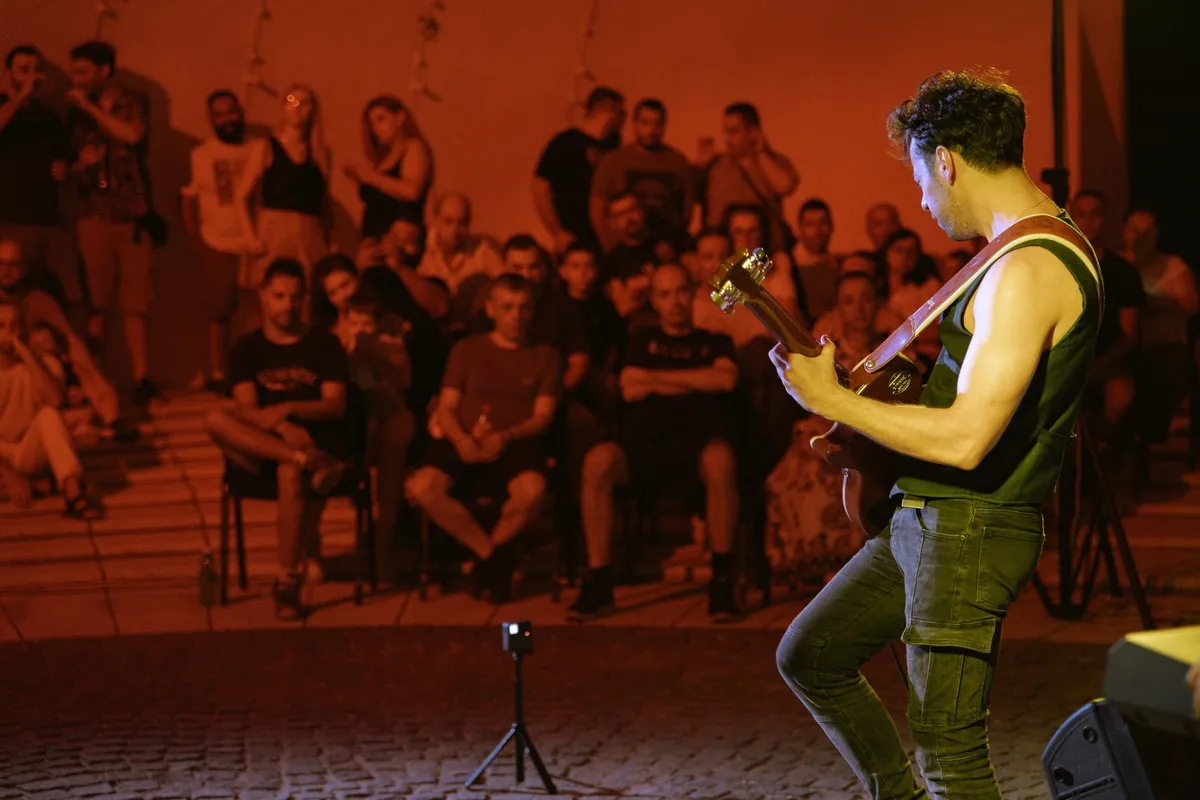
Croatia has become a true festival destination. More than 200 different events are held in the country each year, from globally renowned ones like INmusic and Ultra Europe to specialized gatherings dedicated to craft beer, wine, or literature. These events are not just places of entertainment; they have become key tools for shaping local communities, attracting tourists, and generating significant revenue.
The economic impact of major festivals is undeniable. It is estimated that Ultra Europe alone, held in Split, brings over €100 million to the local economy. This money flows through hotel accommodation, hospitality, transportation, and other services. Beyond direct earnings, festivals strengthen Croatia's image as a desirable tourist destination, especially among younger demographics, extending the tourist season beyond the traditional summer months.
Despite the benefits, the sector faces serious challenges. The COVID-19 pandemic led to the cancellation or virtual holding of numerous festivals in 2020 and 2021, causing huge losses for organizers and local communities. However, 2023 marked a strong recovery with record visitor numbers at major events. Now, new issues are in focus: rising organizational costs, inflation, strict security measures, and increasingly loud debates about the environmental impact of mass gatherings, raising questions about long-term sustainability.
Alongside the big spectacles, there is a noticeable trend of growth in smaller, specialized festivals targeting a specific audience. Such events, often focused on craft beer, wine, or literature, enrich the cultural offering and disperse tourist benefits to smaller communities. Croatia also boasts internationally recognized festivals like ZagrebDox and Animafest, which attract authors from around the world and often include educational programs, workshops, and panel discussions, positioning themselves as important platforms for the exchange of ideas.
Local authorities recognize the value of festivals and often co-finance them through culture and tourism tenders, as well as through direct sponsorships. While this support is crucial for the survival of many events, it sometimes draws criticism due to a lack of transparency in the allocation of funds. Balancing commercial success, cultural value, and inclusivity remains a central issue for all involved, from organizers and mayors to volunteers and local residents.