Water on Pag and Rab Currently Safe
Latest analyses show no anomalies in the water supply, but local leaders warn that unremoved waste in Gospić and porous karst terrain pose a permanent threat.
Latest analyses show no anomalies in the water supply, but local leaders warn that unremoved waste in Gospić and porous karst terrain pose a permanent threat.
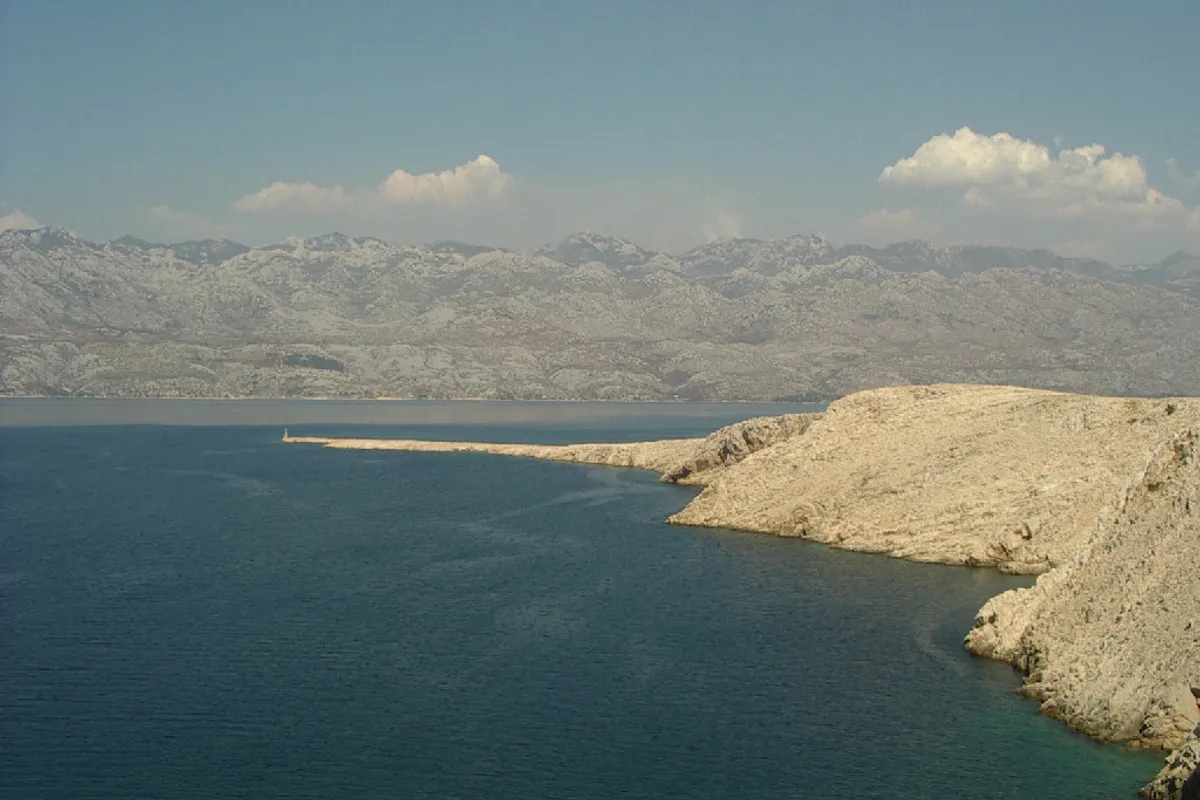
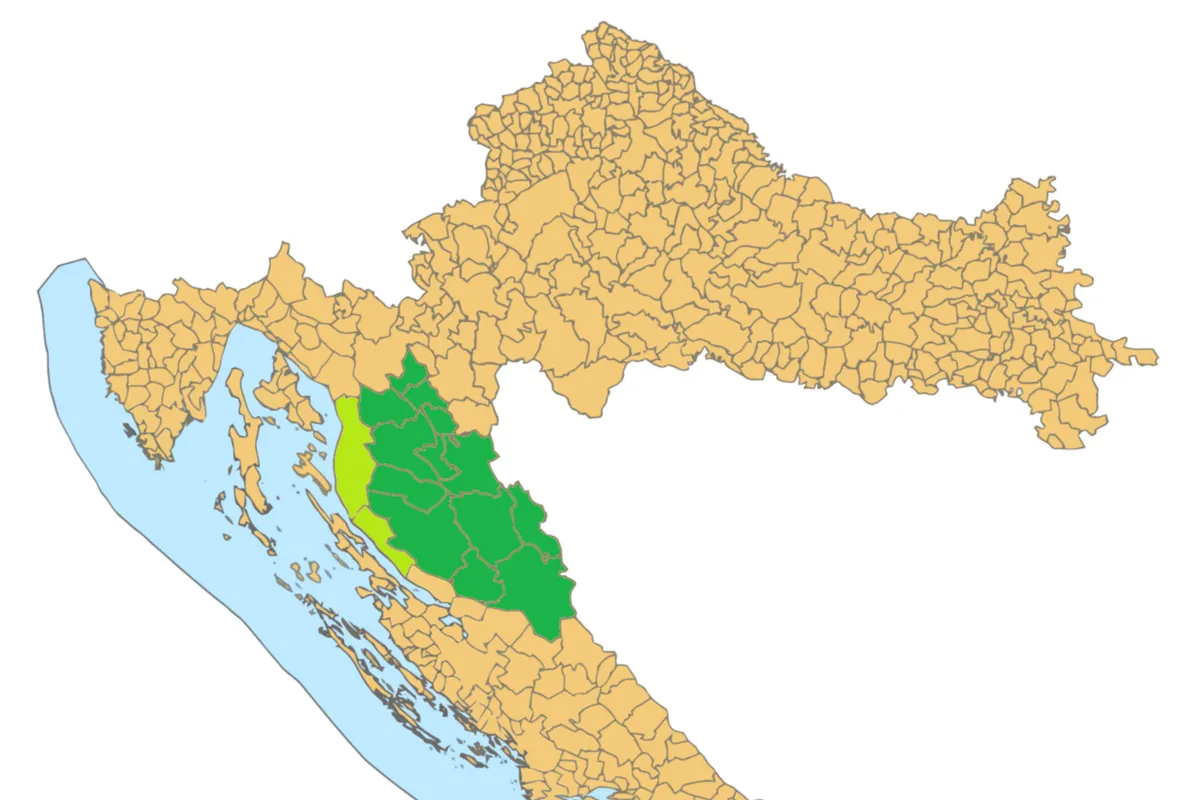
Residents and tourists on the islands of Pag and Rab, as well as in Senj, can breathe a sigh of relief - the latest analyses confirm that the water from their taps is currently safe for drinking. However, the relief is mixed with caution because the source of potential danger, the illegal waste dump in Gospić, has not yet been remediated.
Milan Nekić, director of the Senj-based water utility Hrvatsko primorje, confirmed that the monitored water quality parameters showed no deviations. "Both in Senj and on Rab, where water quality is monitored, the tracked parameters showed no anomalies. However, given that the waste is still in the same place, no one can guarantee that this won't change," Nekić stated.
It is precisely this uncertainty that has prompted Nikola Grgurić, the mayor of Rab and president of the local water utility's assembly, to announce that he will insist on enhanced monitoring. "That's why, both as the mayor of Rab and as the president of our water utility's assembly, we will request more frequent checks and analyses, if necessary, so that we can get accurate information at the right moment if something changes," Grgurić said.
Ivan Dabo, the mayor of Novalja, appealed for responsible communication about the entire situation, emphasizing the potential damage to the tourist season. "If something like contaminated water becomes a topic, who will come to your destination? That's why I appeal for a vigorous crackdown on this occurrence, to speed up remediation to avoid any impact, but not politicking, not abuse," Dabo urged.
His concern is shared by citizens. "We drink this water because we won't buy water when we have our own. It seems we are Europe's dumping ground. Whoever brought it to Gospić should take it away," said residents of Novalja.
Although hazardous substances have not reached the water supply system, the environmental consequences are already significant. Ernest Petry, the prefect of Lika-Senj County, stated that the pollution has destroyed the ecosystem over an area of 15,000 to 16,000 square meters. "Unfortunately, this happened on those 15-16,000 square meters where the ecosystem was actually destroyed. On the other hand, we need to act as quickly as possible to prevent it from spreading to the ecosystem," Petry warned.
Adding to the concern is the fact that the entire catchment area sits on porous, karst terrain, which allows for rapid and unpredictable movement of groundwater. Therefore, the key test will come with the first autumn rains, when precipitation could wash pollutants deeper into the soil.
Mario Šiljeg, director of the J.J. Strossmayer Water Institute, reported that concrete steps have been taken based on the expert assessment by the Faculty of Geotechnical Engineering, which was published by the State Attorney's Office. "The State Attorney's Office published the report of the Faculty of Geotechnical Engineering, their expert assessment, and based on that assessment and this meeting from earlier, we have already taken the first samples and expanded the scope of our analyses at the stations that are closer to the waste dump," Šiljeg explained.
Mandatory measurement of PFAS compounds, the so-called "forever chemicals," in drinking water has also been introduced since January this year. Until the remediation of the Gospić dump is carried out, local authorities are insisting on regular and transparent analyses to detect any changes in time and prevent panic.