Heatwaves Are Killing Urban Birds: Here's How You Can Save Them
Asphalt temperatures exceed 60°C, and metal roofs can reach 80°C. A simple water dish in the shade often does more good than a full feeder.
Asphalt temperatures exceed 60°C, and metal roofs can reach 80°C. A simple water dish in the shade often does more good than a full feeder.
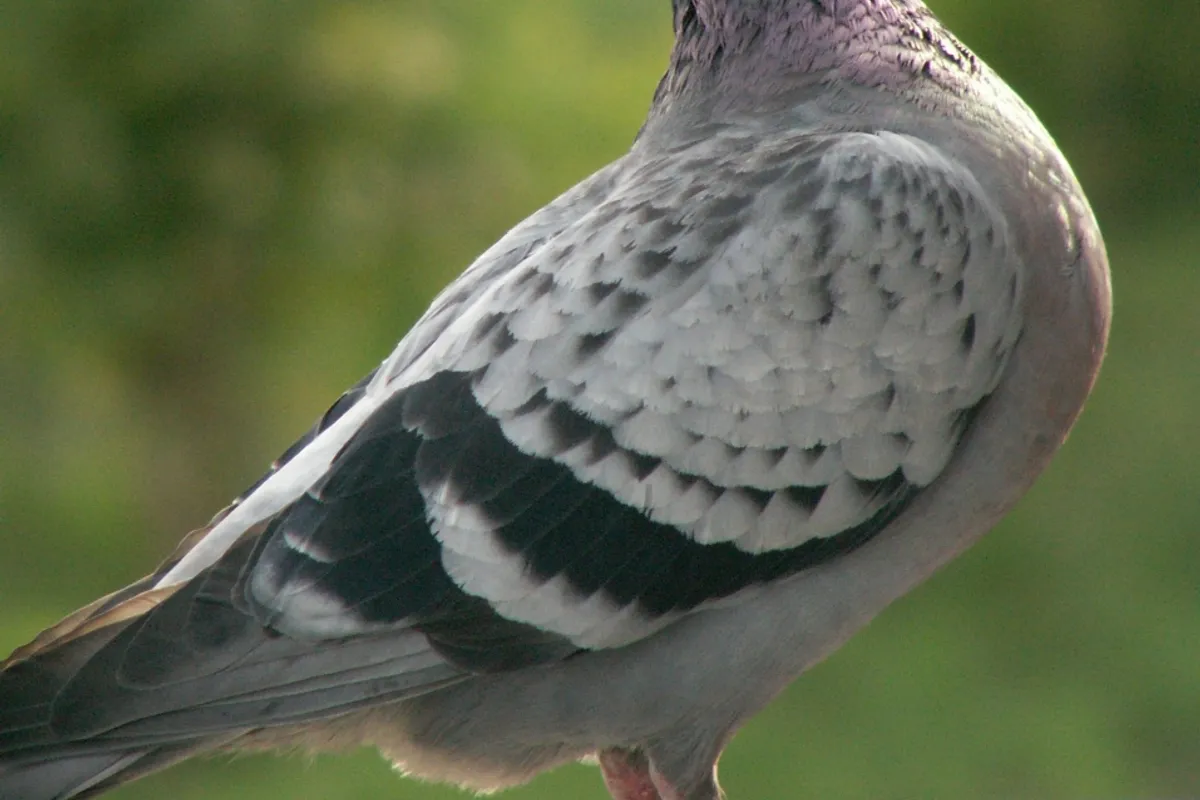
Heatwaves don't just affect people-they can be deadly for birds in urban environments. Lacking sweat glands, birds cool down by panting with open beaks, which leads to rapid fluid loss and dangerous dehydration. In the city, where asphalt temperatures exceed 60°C and dark metal roofs reach up to 80°C, finding water becomes a fight for survival.
In nests located under metal roofs or in spots directly exposed to the sun, chicks have no escape and die from overheating. Additionally, extreme heat and drought make it harder for parents to find insects and worms to feed their young, reducing nesting success. However, there are several simple steps citizens can take to help.
During summer heat, water is far more critical to birds than food. Adult birds can withstand short periods without food, but lack of water quickly impairs their ability to regulate body temperature. That's why placing a shallow water dish on a balcony, in a garden, or in a yard is often more beneficial than a full feeder.
It's best to use plant pot saucers or shallow plates. Change the water daily to prevent bacterial growth and mosquito breeding. Place a stone in the center that protrudes above the water surface-it serves as a safe perch and prevents smaller birds from drowning.
Water dishes and feeders should be placed in the shade of trees or shrubs. A dense tree canopy can reduce temperatures on shaded surfaces by more than 10 degrees Celsius. For apartment dwellers, it's recommended to place heavy ceramic or plastic saucers on the balcony floor or a sturdy railing, in the coolest corner, preferably under an awning or in the shade of large potted plants.
For those with a yard, it's advisable to set up freestanding birdbaths at about one meter high to protect birds from cats and other predators. Water dishes and feeders should be at least two meters away from shrubs or places where cats could jump from.
Diet should be adjusted for the summer months. Bread is not recommended because it spoils quickly in the heat, offers no nutritional value, and can cause serious digestive issues. Instead of heavy, fatty seeds that raise body temperature, it's better to offer fresh fruit cut into pieces, such as apples, pears, or seedless watermelon. For pigeons and sparrows, a mix of millet, oats, or wheat can be prepared, but only in shaded areas.
Symptoms of heatstroke in a bird include lying on the ground with wings spread, open beak, and no attempt to flee from humans. Gently pick up the bird with a cloth, place it in a ventilated, darkened box, and move it to a cool room. Offer water in a shallow cap, but do not force water into its beak as there's a risk of choking. After recovery, release it outside in the evening.
Before taking any action, observe the bird from a safe distance to check for broken wings, legs, or a complete lack of reaction to humans. If a fledgling already has feathers and is hopping on the ground, it's practicing flying, and its parents are nearby-simply move it from the road to a nearby bush. If the animal is injured or in shock, you can call 112, the Emergency Services Center.
To mitigate the urban heat island effect, city authorities should systematically invest in green and blue infrastructure. Green solutions, such as vertical gardens and green roofs, can reduce building temperatures by up to 1.4°C and provide birds and pollinators with elevated refuges from street-level heat.
In Croatia, these recommendations are being promoted through the Green Infrastructure Development Program in Urban Areas, implemented by the Ministry of Physical Planning, Construction and State Assets. European cities have already gone further-Vienna uses the concept of "green wedges" and a network of urban parks, Paris has transformed schoolyards into green oases through the Oasis project, and Barcelona has created urban havens for people and birds by connecting residential blocks into car-free zones.
Citizens can also drive change through participatory budgeting, by proposing projects like public water stations or micro-park plantings, and by launching local petitions. Neighborhoods can organize themselves and set up water dishes on neglected public spaces on their own initiative.