High summer temperatures are seriously threatening livestock production across Croatia. Due to heat stress, animals are eating less, and farmers are reporting drastic declines in milk and egg production. The situation is so severe that some have already suffered direct losses from animal deaths.
Milk Losses Up to 30 Percent, Cow Dies from Heat Shock
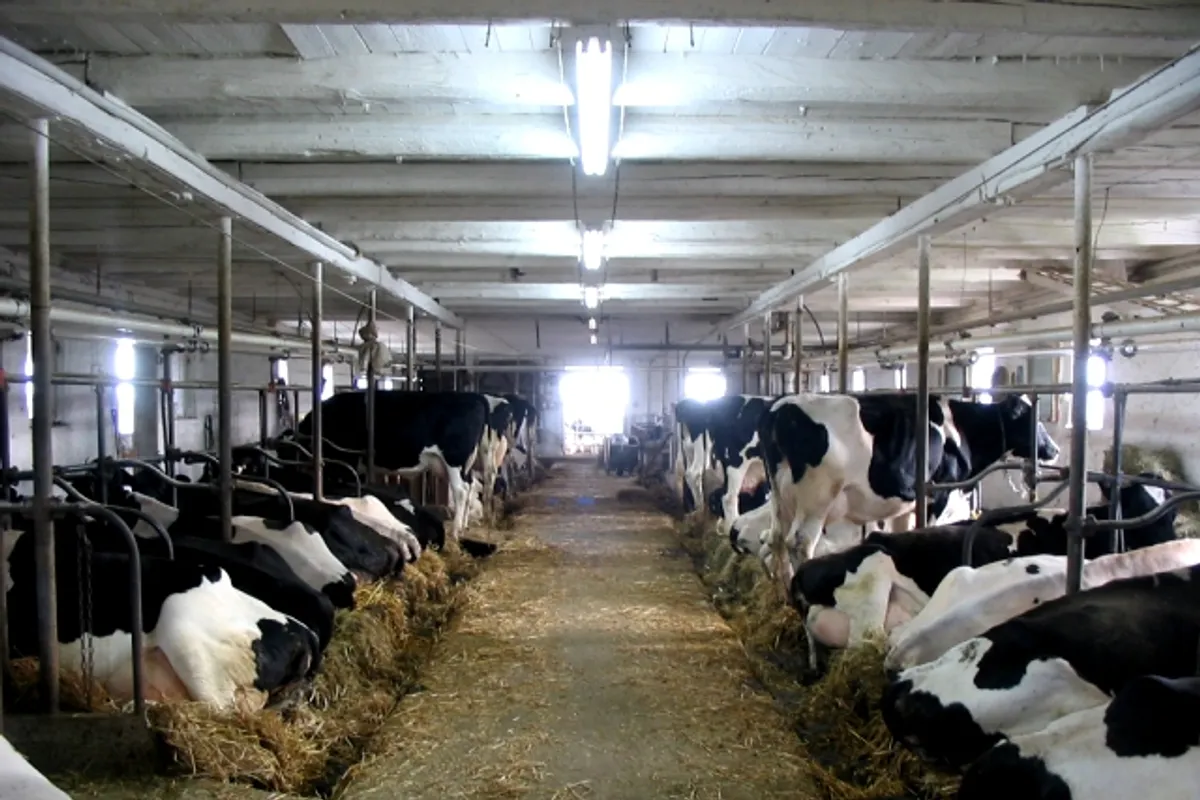
On the Dreta family farm in Stara Plošćica, where they care for 70 head of cattle, morning has become the only tolerable part of the workday. Despite constantly running fans, the afternoon heat becomes unbearable. "In the afternoon hours, even they don't help much. We have to close the doors so the sun doesn't beat down directly, and since the heat gets worse every year, we're thinking about installing sprinklers and humidifiers to make it easier for the cows," said farmer Višnja Dreta for HRT Magazine.
The last heatwave already left severe consequences. Siniša Dreta recounted a harrowing experience: "A cow calved, lasted about four days, went into heat shock, and simply fell asleep." The Dreta family is facing milk production losses of up to 30 percent. To mitigate the decline, they are specially preparing feed. "We've introduced 'temperature' meals, mixing everything together so there's less waste and they eat better. But even then, when it's really, really hot, they don't eat," added Višnja Dreta.
Sheep Graze Only at Dawn, Milking Halted Due to Plague
Sheep farmers are no better off. Frane Jukić from Bedenik lets his flock graze only during the coolest part of the day. "We manage; early in the morning we let the sheep out to pasture around 5 a.m., and they graze until 9 a.m., then head for shade," said Jukić. However, besides the heat, his farm was also hit by peste des petits ruminants, which halted milk collection. "Since the dairy didn't come for three weeks, we dried them off. I had nowhere to go with the milk; sometimes I made cheese, gave it to people, colleagues, friends, and then I gave up and dried them off," Jukić explained for HRT Magazine. Now his priority is keeping the flock healthy, and his biggest fear is a potential water shortage if the heat persists.
Egg Laying Halved: From 20 to Just 9 a Day
High temperatures have also dramatically reduced egg production. Branko Horvat, a poultry farmer from Poljanec, witnesses a drastic decline. "It's dropped a lot; a few days ago it was 20 eggs, yesterday 9," Horvat revealed. The problem doesn't stop at numbers. "They also start going broody; their body temperature rises and they want to sit. So I isolate them for a few days until it passes, then let them back into the flock," he described the additional complications caused by the heat.
To protect his layers, Horvat is taking a series of measures. "They have fresh water constantly, which we change twice a day. I have special drinkers so they can't mess inside, and once a day I bring them fresh green grass," he said. Despite all efforts, he is aware the situation is on the edge, but he notes that the most important thing is that he hasn't had any poultry deaths due to the heat.