The World Health Organization (WHO) expressed serious concern on Wednesday over new vaccination recommendations introduced by U.S. President Donald Trump via executive order this week. WHO Director-General Tedros Adhanom Ghebreyesus warned that such decisions are not aligned with decades of accumulated scientific evidence and could leave children unprotected.
Science vs. Politics
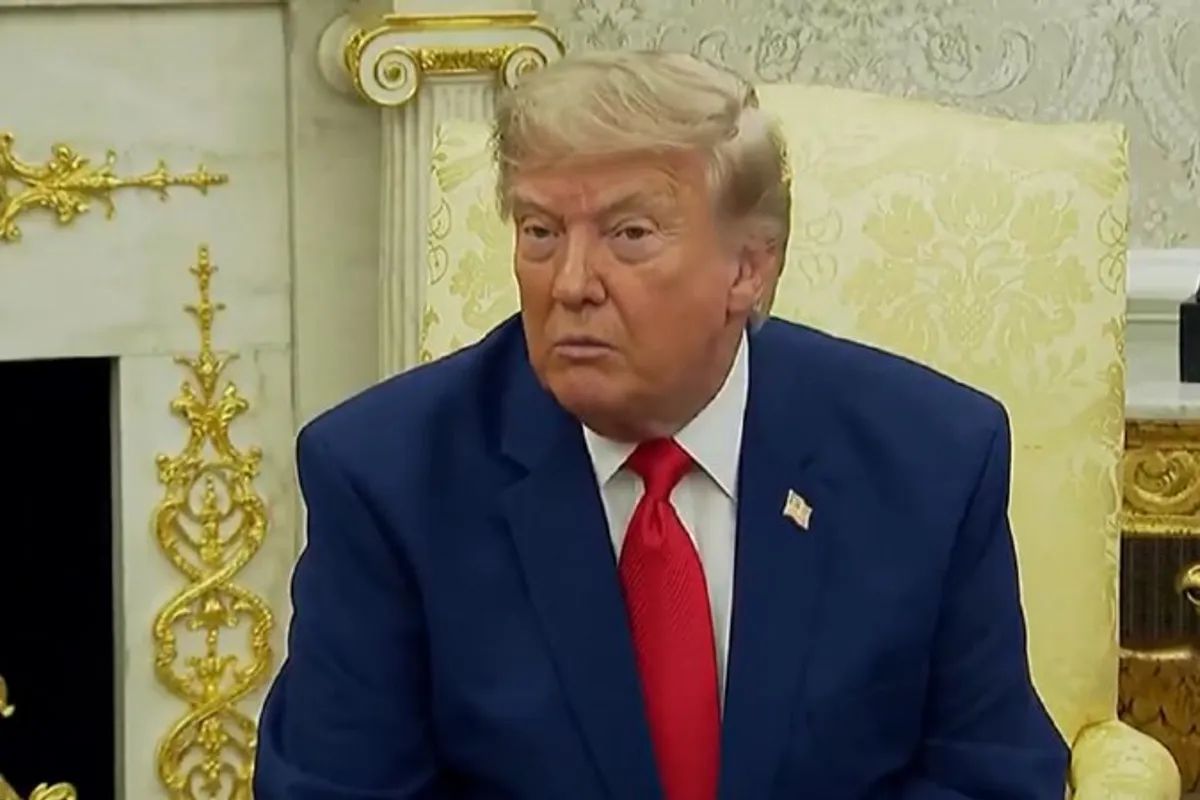
On Monday, August 10, 2026, Trump signed an executive order at the White House recommending the separation of the measles, mumps, and rubella (MMR) vaccine into individual doses, rather than administering them in a single injection. This move is part of the administration's broader anti-vaccine campaign, which suggests a link between vaccination and autism-a claim that has been repeatedly debunked by the scientific community.
"Vaccination policy must be based on a rigorous, independent, and transparent review of the best available scientific data, not on political influence," Tedros Adhanom Ghebreyesus wrote on platform X. He emphasized that current evidence is unequivocal: "Vaccines, including the MMR vaccine (measles, mumps, rubella), are safe and do not cause autism."
The Danger of Delaying Vaccination
The WHO chief specifically warned about another aspect of the new recommendations. "Delaying vaccination or unnecessarily separating doses does not make vaccination safer and can leave children unprotected," he said. The WHO is concerned that changes in U.S. immunization policy are not aligned with evidence showing when children are most vulnerable to diseases.
Vaccines provide the strongest protection, and data on how many doses are needed and which vaccines can be safely administered together are continuously reviewed as new data emerge from around the world, he added.
Consequences Already Visible
The WHO's concern comes at a time when the United States recorded its worst measles outbreak in more than 30 years in 2025. According to France Info, at least three deaths were reported, including two children.
Trump's Health Secretary Robert F. Kennedy Jr., known for his anti-vaccine stance, has since his appointment launched an extensive review of vaccines, altered the pediatric vaccination schedule, and reduced funding for new vaccine development. U.S. courts earlier this year suspended the vaccination policy reform he initiated. These measures have drawn sharp criticism from the medical and scientific communities.