The Republic of Croatia has refused to grant agrément for three senior officers of the Armed Forces of Bosnia and Herzegovina who were proposed as military attachés in Zagreb, ABC Portal has learned. The officers in question are Brigadiers Mirsad Stabančić, Izudin Skopljak, and Kemal Suljević, whose wartime biographies Croatia deemed unacceptable for a sensitive diplomatic-military role. After months of dispute, Brigadier Roberto Gašić, who received Croatian consent, assumed the position of military attaché at the BiH Embassy in Zagreb.
Members of Units Notorious for War Crimes
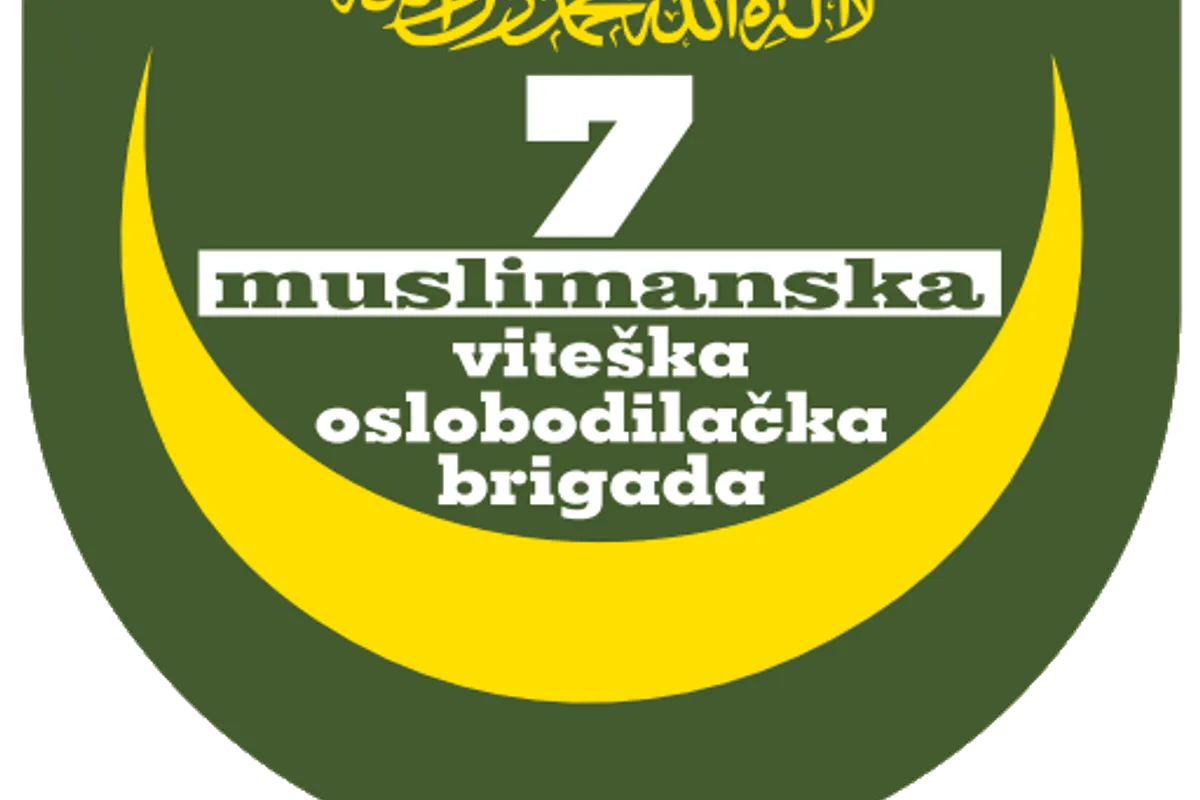
All three rejected brigadiers were members of Army of BiH units during the war that are linked to a series of horrific war crimes. Stabančić and Skopljak were part of the Seventh Muslim Brigade of the Third Corps of the Army of BiH, which also included a unit of mujahideen-foreign Muslim fighters known for their brutality, including beheading prisoners. Suljević, according to his own testimony before the Court of BiH, joined the Zulfikar Special Purpose Unit in April 1993, several of whose members and commanders have been sentenced to long prison terms for crimes in northern Herzegovina.
Although there is no indication in publicly available court records that any of the three candidates was charged or convicted of war crimes, Croatia did not base its decision on their criminal liability. According to ABC Portal, it assessed their suitability for a sensitive diplomatic-military role in Zagreb, and the host state can refuse to grant prior consent without providing a detailed explanation.
Wartime Paths and Careers of the Three Brigadiers
Mirsad Stabančić was one of the commanders of the 3rd Battalion of the Seventh Muslim Brigade and received the wartime recognition "Golden Lily" in 1995. After the war, he continued his career in the Army of the Federation of BiH and later in the Armed Forces of BiH, where he served as commander of the 1st Infantry Battalion of the 5th Infantry Brigade, head of the Professional Development Center, and acting commander of the Tactical Support Brigade. He completed the "Ban Josip Jelačić" War College in Zagreb and later served as head of the Training Department at the BiH Armed Forces Training and Doctrine Command.
Izudin Skopljak served as an assistant for operational and training affairs in the command of the Seventh Muslim Brigade during the war. By 2020, as a colonel, he held the position of acting head of the Personnel Administration at the Joint Staff of the BiH Armed Forces, and by 2023, he was promoted to brigadier. Kemal Suljević, who belonged to the Zulfikar unit, advanced through the Armed Forces of BiH after the war. In 2015, as a colonel, he commanded a rotation of the BiH contingent in the UN mission in Congo, and by 2021 at the latest, he achieved the rank of brigadier. Deputy Minister of Defense of BiH, Slaven Galić, also confirmed the rejection of Stabančić and Skopljak.
A Message Beyond a Single Diplomatic Appointment
This case, according to ABC Portal, goes beyond the issue of a single diplomatic appointment. Croatia, similar to its recent adoption of the Resolution on Strengthening the Political Position of Croats in BiH, has decided to act as a responsible state. By rejecting the controversial candidacies, it demonstrated its desire to develop relations with BiH based on cooperation and mutual respect, but also that it will not tolerate the humiliation of Croats in BiH or the downplaying of their wartime victims.
The choice of candidates also sheds light on staffing within Bosniak military structures and the support of political structures. The Večernji list BiH portal notes that it is quite clear that none of the three candidates would have been proposed by the Bosniak military and political leadership if the balance of power in the BiH Presidency were different, given that the illegitimate Croatian member, Željko Komšić, sits in it. Ultimately, Brigadier Roberto Gašić became the military attaché, concluding the months-long dispute.