Western Europe Breaks Temperature Record
The European climate agency Copernicus confirmed that the average temperature for the June-July period reached 21.62°C, surpassing the previous record set in 2022.
The European climate agency Copernicus confirmed that the average temperature for the June-July period reached 21.62°C, surpassing the previous record set in 2022.
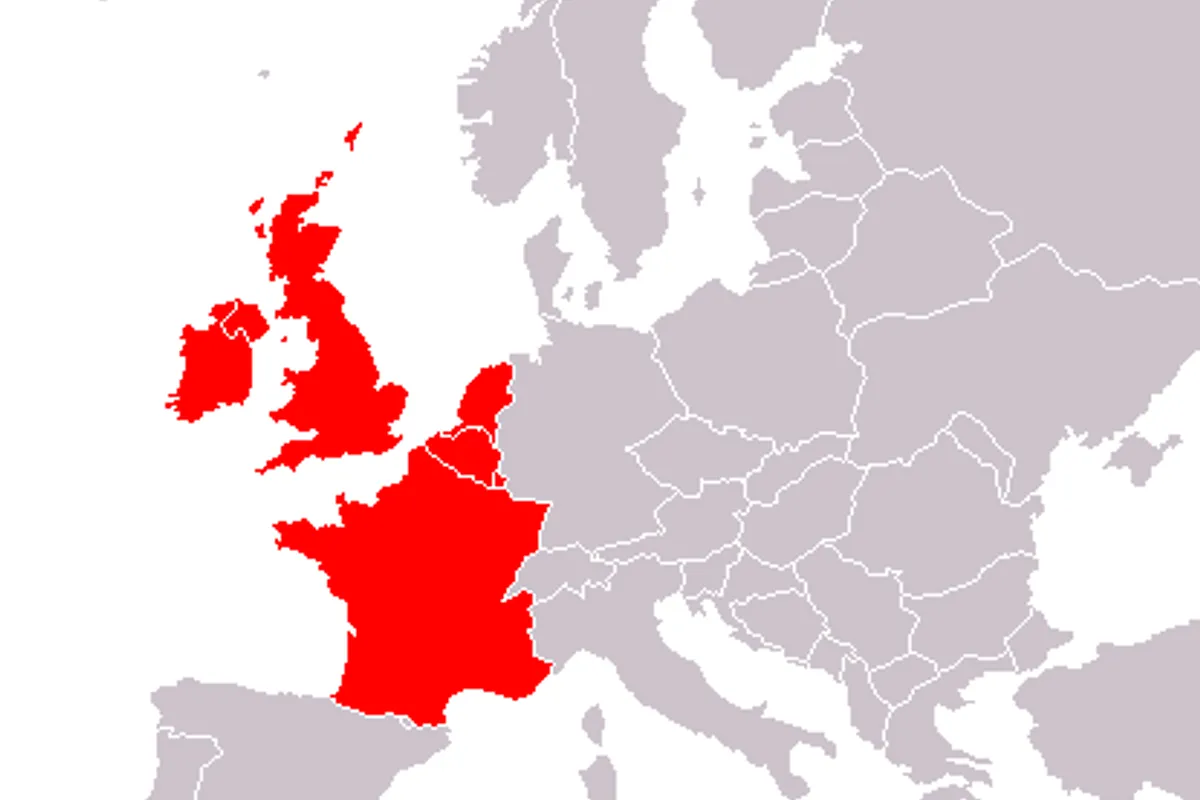
The heatwaves sweeping Western Europe this summer have broken the average temperature record for the June-July period set in 2022, the European climate agency Copernicus announced on Monday, August 10, 2026. The extreme heat, which began as early as May, has led to massive wildfires, prolonged drought, and new national temperature records across the region, and is estimated to have contributed to thousands of heat-related deaths. Copernicus noted that the data reflects "exceptional persistence of heat" in Western Europe, which has experienced four heatwaves since late spring. Measurements also show a pronounced temperature gradient from west to east, with Eastern Europe and Scandinavia significantly cooler, making July only the eleventh warmest on record for Europe as a whole, with an average of 20.49°C.
According to Copernicus data, the average temperature for June and July in Western Europe reached 21.62°C (70.92°F), which is 2.79°C above the long-term reference average from 1991 to 2020. July also brought the highest ever recorded average sea surface temperature for that month, outside polar oceans, at 20.96°C (69.73°F), surpassing the previous record of 20.89°C set in 2023. Along the Atlantic coast and in the western Mediterranean, the sea reached record values accompanied by intense marine heatwaves. On the other hand, the global average surface air temperature in July was 16.90°C (62.42°F), making it only the second warmest July on record, tied with July 2024, while the record July of 2023 holds the top spot at 16.95°C.
Samantha Burgess, Strategic Head of Climate at the European Centre for Medium-Range Weather Forecasts, explained the mechanism behind these extremes. "Persistent high-pressure systems have trapped heat over Western Europe, and extreme temperatures have also exacerbated widespread drought. As the soil dries out, it loses its ability to cool naturally, allowing heat to accumulate even more easily," Burgess said. She added that this is "a clear example of how climate change intensifies heat extremes, with heat and drought increasingly reinforcing each other." Copernicus reported that soil moisture in Western Europe in July was "significantly lower than in July 2022," when the region last experienced severe drought. Dry conditions affected large parts of the continent, including the Iberian Peninsula, France, parts of Germany, Austria, Hungary, and the United Kingdom, with unusually dry conditions also in Ireland and parts of Iceland.
The effects of the drought are dramatically visible on the Danube, a river that flows through ten European countries. In Budapest, the water level has fallen to unprecedented levels, and on Wednesday, August 5, people were walking on a sandbar below Margaret Bridge in the city center, a sight that vividly illustrates the scale of the drought. River levels in affected regions were far below the long-term average, with the Seine, Rhine, and Danube particularly impacted, disrupting transport, irrigation, and energy production in several European countries.
Globally, 2026 is currently the third warmest year on record, behind 2024 and 2025, but scientists warn that there is still time for it to surpass the record. The combination of accelerated human-induced global warming and a strengthened El Niño, the periodic warming of parts of the Pacific that affects temperature variations worldwide, increases the odds that 2026 could become the hottest year on record by the end of the year, surpassing 2024, or at least come close. Carlo Buontempo, Director of the Copernicus Climate Change Service (C3S), warned of the seriousness of the situation: "We have not experienced a climate like this in our lifetime, and perhaps not since the dawn of our civilization."