Why Are Wasps More Aggressive in August Than Usual?
The end of summer brings a change in wasp behavior, and the reason isn't sudden aggression but the natural life cycle of the colony and the search for new energy sources.
The end of summer brings a change in wasp behavior, and the reason isn't sudden aggression but the natural life cycle of the colony and the search for new energy sources.
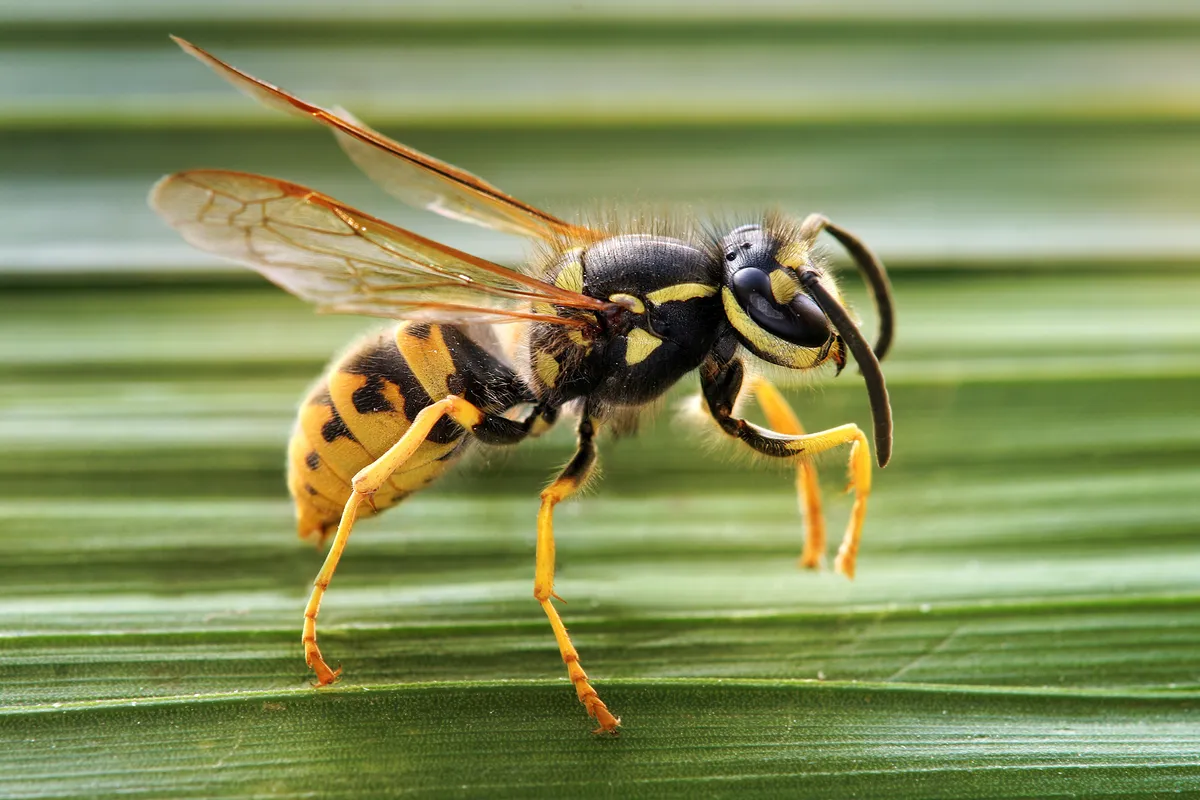
In August, the scent of ripe fruit, open drinks, ice cream, or barbecue specialties can attract wasps within moments. By the end of summer, wasps seem more numerous, persistent, and more likely to approach people than at the start of the season. According to Lika Online, the reason for this change in behavior isn't aggression but the natural life cycle of the colony and the search for new energy sources.
During spring and early summer, worker wasps have a clearly defined job. They hunt flies, caterpillars, and other insects to feed the larvae in the nest. In return, the larvae produce a sweet liquid that adult wasps consume, so during this period, workers largely ignore the juices, overripe fruit, and sweets on our tables.
By the end of summer, the situation changes. As the number of larvae in the nest declines, so does the sweet liquid that served as the adult wasps' primary energy source. At this time, a large number of workers abandon their usual duties and set out in search of sugar.
That's why in August we often encounter them near grapes, plums, pears, and other ripe or fallen fruit. They're also attracted to jam, cakes, ice cream, juices, beer, wine, and food scraps in trash bins. Experts say that the need for animal protein in the nest decreases after the peak of the season, so wasps increasingly seek out sweet foods.
At the same time, colonies have reached their maximum number of individuals. This simply means there are many more wasps in nature than at the beginning of summer, leading to more frequent encounters with people. When thousands of workers spread out in search of food, it's only natural that they seem to be everywhere all at once.
Wasps usually don't approach people to attack them. The scent of food or drink attracts them, and a sting typically occurs when they feel threatened. Waving your arms, swatting with a newspaper, trying to catch them, or accidentally pressing a wasp against your skin can trigger a defensive reaction.
The best approach is to stay calm and slowly move away. Outdoors, keep food covered, and promptly clean up spilled drinks or leftovers of sweet dishes. Be especially careful with open cans and opaque bottles, as a wasp can crawl inside without being noticed before you take a sip. For outdoor drinks, it's recommended to use clear cups or resealable bottles.
Trash bins must have lids, and fallen fruit in gardens and orchards should be collected regularly. Wasps can hide in damaged apples, pears, or plums, so caution is needed when picking fruit from the ground.
If you notice a large number of wasps consistently flying in the same direction, there may be a nest nearby. Don't approach it, seal the entrance, pour water on it, or try to burn it. Wasps vigorously defend the area around the nest, and removal from a problematic location is safer to leave to a professional. If the nest isn't located near the house entrance, children's play area, or human pathways, it may not be necessary to remove it, as the colony will naturally die off with colder weather.
Despite their bad reputation, wasps play a significant role in the ecosystem. They hunt many insects that can damage gardens, aid in pollination, and help decompose organic matter. That's why they shouldn't be eliminated solely because they've appeared in your garden.
If a sting does occur, wash the area with soap and water and apply a cold compress to reduce pain and swelling. Typically, wasps don't leave their stinger in the skin, so they can sting multiple times. Most people experience only temporary pain, redness, and swelling that subsides over time.
Call emergency services at 112 if, after a sting, you experience difficulty breathing, swelling of the tongue or throat, a change in voice, severe dizziness, confusion, fainting, or a sudden deterioration in your overall condition. These could be symptoms of anaphylaxis, a serious allergic reaction that requires immediate medical attention. Health guidelines also advise not to panic or wave your arms when wasps appear nearby, but to slowly move away.
So, in August, wasps aren't automatically more aggressive without any provocation. During this period, their colonies reach their largest size, there's less food in the nest, and workers are intensely searching for sweet substances. Our table on the terrace is simply an easy source of energy for them.