While most dog owners are careful not to walk their pets during the hottest part of the day in summer and regularly check the temperature of the asphalt, there is one often overlooked factor that can be extremely dangerous for their four-legged friends. It's the humidity in the air, which seriously impairs a dog's ability to regulate its own body temperature.
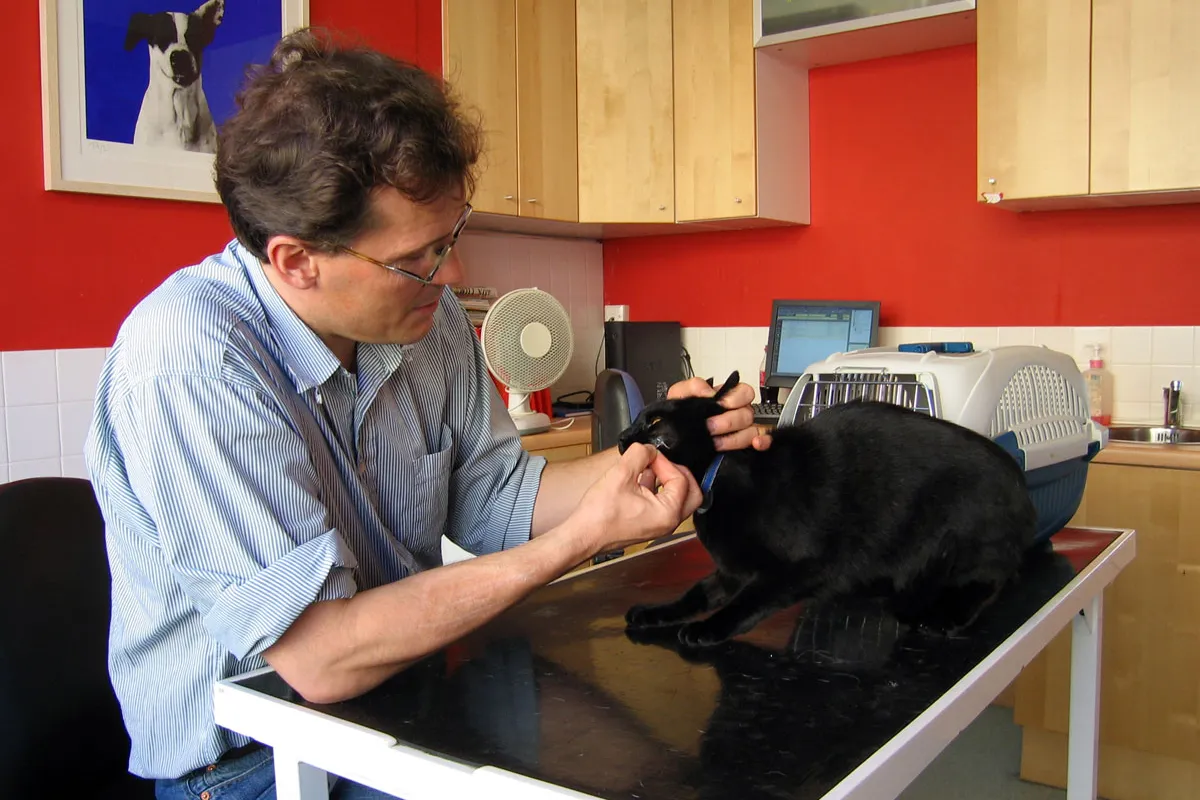
Veterinarian Dr. Karen Halligan explained to ParadePets how high humidity affects dogs and gave key tips for safely cooling down an overheated animal. Her warnings come amid the muggy August days when this risk is particularly pronounced.
How Humidity Affects Dogs
Dogs primarily cool themselves by panting, a process that relies on the evaporation of moisture from the tongue and respiratory tract. However, when the air is already saturated with moisture, this natural mechanism becomes significantly less effective. "Even when the air temperature doesn't seem extreme, high humidity seriously impairs a dog's ability to cool down," Dr. Halligan emphasized.
The veterinarian stresses that owners often make the mistake of only looking at the number on the thermometer, ignoring how mugginess can turn moderate heat into a serious risk. "Many owners only look at the thermometer and ignore how mugginess turns moderate heat into a real risk. This is especially true for brachycephalic breeds with short snouts, older dogs, overweight animals, or those with thick coats," she warned.
"I advise owners to look at the whole picture, not just the number on the thermometer. Breed, age, weight, fitness, coat, overall health, and humidity-all of it matters."
Four Early Signs of Overheating
To prevent the condition from escalating to heatstroke, which can be fatal, owners must recognize the subtler signals in time. Dr. Halligan lists four key early signs to watch for.
The first is excessive or continuous panting that doesn't stop even when the dog is resting. The tongue is "wide and flattened," and the saliva is "thick and sticky," the veterinarian describes. The second sign is bright red gums, which signal an alarm. If the condition worsens and progresses to heatstroke, the gum color changes to pale gray or bluish.
The third indicator is general weakness and lethargy. The dog may seem confused, stagger, refuse to move, or persistently seek coolness. The fourth sign is vomiting and diarrhea or other signs of distress like restlessness. "When a dog starts showing neurological symptoms, extreme weakness, or collapses, it's already a medical emergency," Dr. Halligan emphasizes.
How to Properly Cool Down an Overheated Dog
When overheating is suspected, speed of reaction is crucial. Dr. Halligan advises starting to cool the animal immediately rather than wasting time looking for the ideal water temperature. "The most practical approach is to wet the animal with cool, but not ice-cold, water and ensure airflow with a fan or air conditioning while seeking emergency veterinary care. Avoid wrapping the dog in wet towels because they can trap heat if not changed regularly," she recommends.
As for immersion in water, it can be beneficial only for certain dogs. "Immersion in cold water can be effective for healthy, conscious dogs that have overheated due to exertion. However, a severely ill, unstable dog, or one that has lost consciousness requires immediate veterinary advice and help," Dr. Halligan explains. The key message is clear: "cool first, transport immediately, and call your veterinarian."
Equipment That Can Help
For days with high humidity, the veterinarian highlights three pieces of equipment that can significantly ease a dog's discomfort. Cooling mats for pets provide a consistently cool surface to lie on that doesn't rely on evaporation, which is especially useful in humid air. Portable fans, especially those with a misting function, enhance evaporative cooling from wet fur. Shades and awnings block direct solar radiation and reduce the overall heat load.
"In high humidity, preventing additional heating is just as important as active cooling, because the dog's natural cooling mechanisms are already compromised," Dr. Halligan explains.
When Life-Threatening Danger Occurs
The line between heat exhaustion and heatstroke is thin and dangerous. "Heat exhaustion turns into heatstroke, which can be fatal, when the dog's internal body temperature rises above 40 to 41°C. At that point, the body's cooling systems completely fail," Dr. Halligan warns. In this phase, protein breakdown occurs, the intestinal wall becomes permeable, and organs like the brain, kidneys, liver, and heart suffer rapid damage.
Critical signs, such as seizures, collapse, loss of consciousness, or bloody vomiting, must not be ignored. Without immediate intervention, death can occur within minutes to an hour. Even if the dog appears to recover, organ failure can occur hours later, making a veterinary examination necessary after any significant overheating.
"The most important thing is for owners to understand that heatstroke can progress extremely quickly. Don't waste precious time while the dog's condition worsens. Start cooling immediately and seek emergency veterinary care," Dr. Halligan concludes.