Ukrainian President Volodymyr Zelensky on Monday, August 3, 2026, presented the FREYJA system as the first concrete project within the Anti-Ballistic Coalition, calling on European partners to collaborate on building a joint anti-missile defense. At the same time, warnings from Kyiv indicate the possible deployment of up to 30,000 North Korean soldiers in Russian border regions.
FREYJA: Ukraine's Answer to the Ballistic Threat
At the annual meeting of heads of Ukrainian diplomatic missions, Zelensky detailed the concept of the FREYJA system, which is intended to become the cornerstone of European anti-ballistic defense. "The first track within the Anti-Ballistic Coalition is FREYJA. It should be our anti-ballistic system, open to European partners who have helped us throughout this war and all the challenges we have faced," Zelensky said, according to a post on his official Telegram channel.
The Ukrainian president emphasized that the country already has key components: "We have missiles and a launcher, but we lack some components. We have brought together partner countries that have the specific elements we need." The FREYJA system is being developed by the Ukrainian defense company Fire Point in cooperation with European partners. Co-owner and chief designer Denys Shtilierman stated in late May that the first in-flight interception could be carried out by the end of 2026.
Anti-Ballistic Coalition and Sanctions Gaps
The Anti-Ballistic Coalition was launched on July 13, 2026, in Paris and currently includes 10 member countries. Zelensky also invited countries that lack production capabilities but possess Patriot missiles to join the initiative. "Countries that do not have relevant production capabilities but currently have Patriot missiles, and that provide them, investing those missiles in our ability to defend our skies, are very welcome to join this Anti-Ballistic Coalition," he said.
He specifically warned about gaps in sanctions against Russian ballistic missile manufacturers. "Some key Russian companies involved in the production of ballistic missiles are not under sanctions imposed by the US, UK, Japan, Switzerland, and other jurisdictions," Zelensky said, as reported by the Kyiv Independent. Of the 17 key Russian companies producing ballistic missiles, most can circumvent sanctions by operating through foreign jurisdictions, including China, which has not joined Western sanctions.
Devastating Russian Attacks and Interceptor Shortage
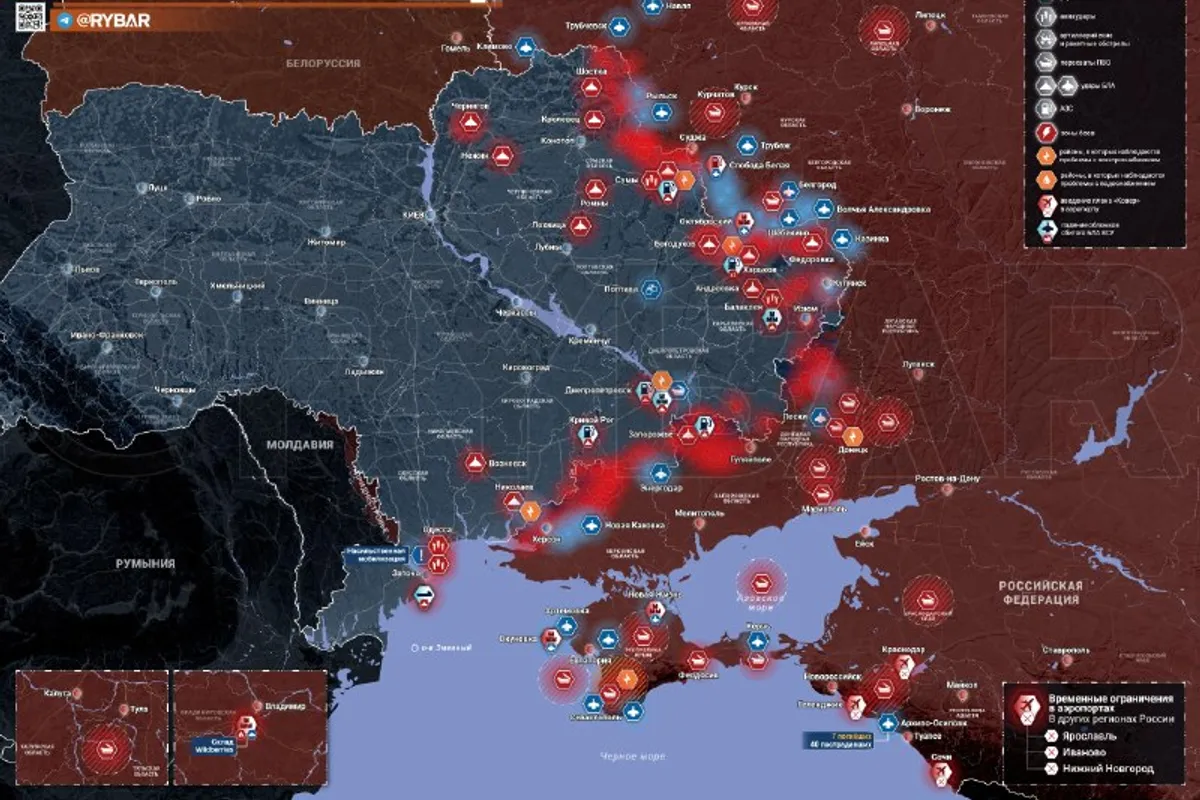
The urgency of closing these gaps was further highlighted during a major Russian attack on August 1, 2026, when Ukrainian air defense managed to shoot down only one of 27 launched ballistic missiles. The shortage of Patriot interceptors remains a critical issue for Ukraine's air defense.
On the same day, a Russian drone and missile attack struck a book warehouse in Kharkiv, destroying eight million books. Viktor Kruglov, director of the publishing house Ranok, called it "an attack on Ukraine's education and culture." Ranok stated that it was "the largest loss for Ukraine's publishing infrastructure since the start of the full-scale war in 2022." Last month, a similar attack near Kyiv destroyed 800,000 books from a catalog that includes works by George Orwell and Barack Obama.
North Korean Threat: 30,000 'Kim's Lions'?
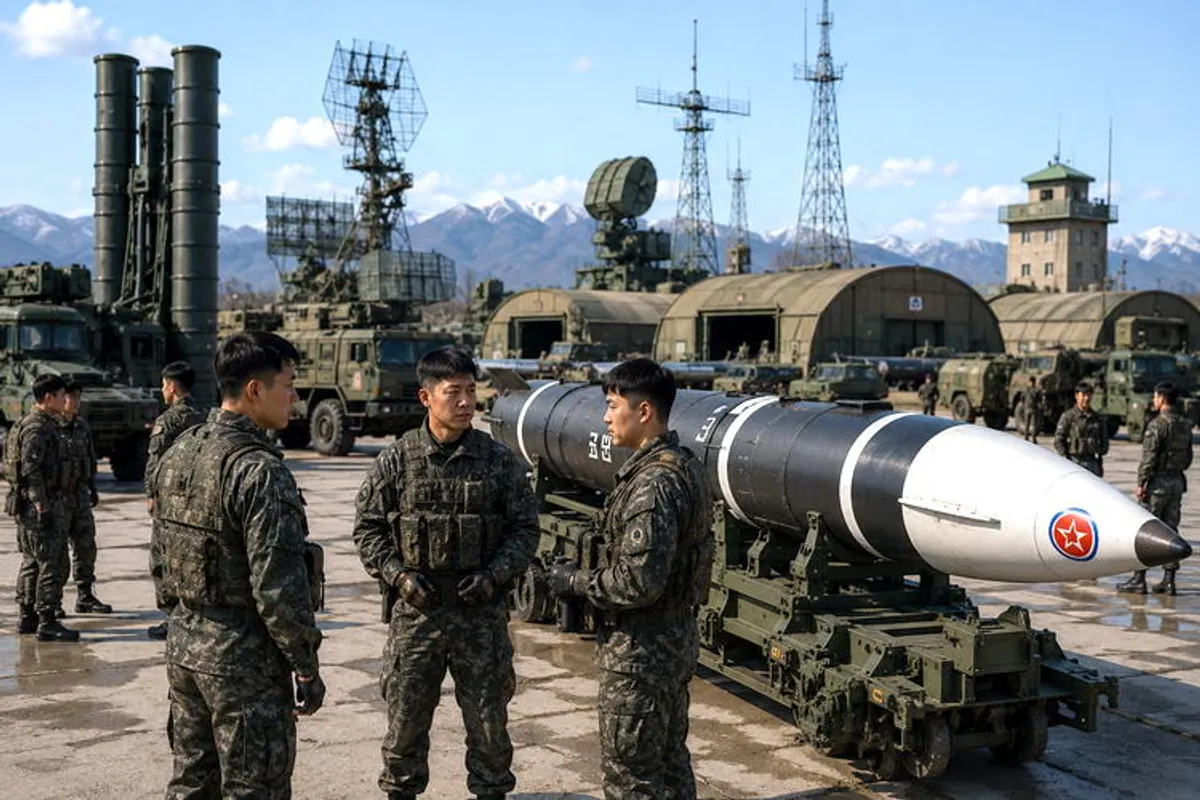
While Kyiv works on strengthening its air defense, Ukrainian political scientist Ruslan Bortnik warns of a possible expansion of North Korea's role in the conflict. According to his claims, sites are being prepared in Russia's Voronezh Oblast to accommodate a corps of up to 30,000 North Korean soldiers, which he called "Kim's Lions." Bortnik estimates that these units could eventually be deployed in the Sumy, Kharkiv, and Chernihiv regions.
North Korean units have already participated in fighting in Kursk Oblast, and according to Bortnik, some North Korean specialists, including officers, engineers, intelligence personnel, and drone operators, are already near the combat zone. During her July visit to Moscow, North Korean Foreign Minister Choe Son-hui stated that leader Kim Jong-un had ordered continued support for Russia regardless of other countries' reactions. There is no official confirmation from Moscow or Pyongyang regarding the deployment of new forces.
European Market and Political Obstacles
Zelensky is aware that the FREYJA project also creates competition in the multi-billion-dollar military technology market. "We understand that we are not only creating protection for Europe but also competition. There's Saab in Sweden, German companies, Lockheed Martin and Raytheon in the United States, and Leonardo, a very strong Italian company. We don't need competitors; we need those who will strengthen us and bring us closer," he said.
He also warned of possible obstruction: "The Russians will do everything to throw some garbage into this process to delay the unification of these leading companies that have the potential to create their own system." On June 3, 2026, Fire Point released a video of a test launch of the FP-7.X missile, which is intended to serve as the basis for an anti-ballistic interceptor within the FREYJA system.