926 Hectares of State Land
Mayor Orlić reveals that 640 hectares have been allocated through recent tenders, and interest in leasing shows no signs of waning. Olive grower Lupieri explains why this is a generational endeavor.
Mayor Orlić reveals that 640 hectares have been allocated through recent tenders, and interest in leasing shows no signs of waning. Olive grower Lupieri explains why this is a generational endeavor.
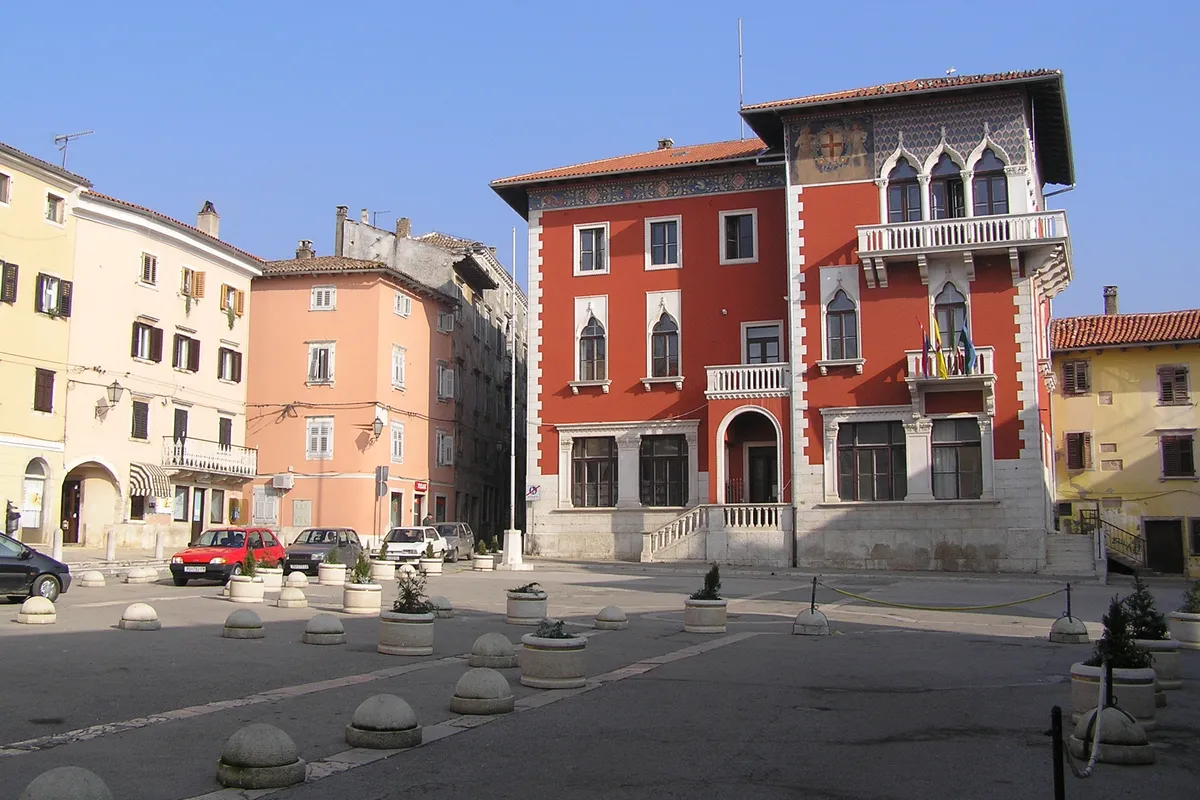
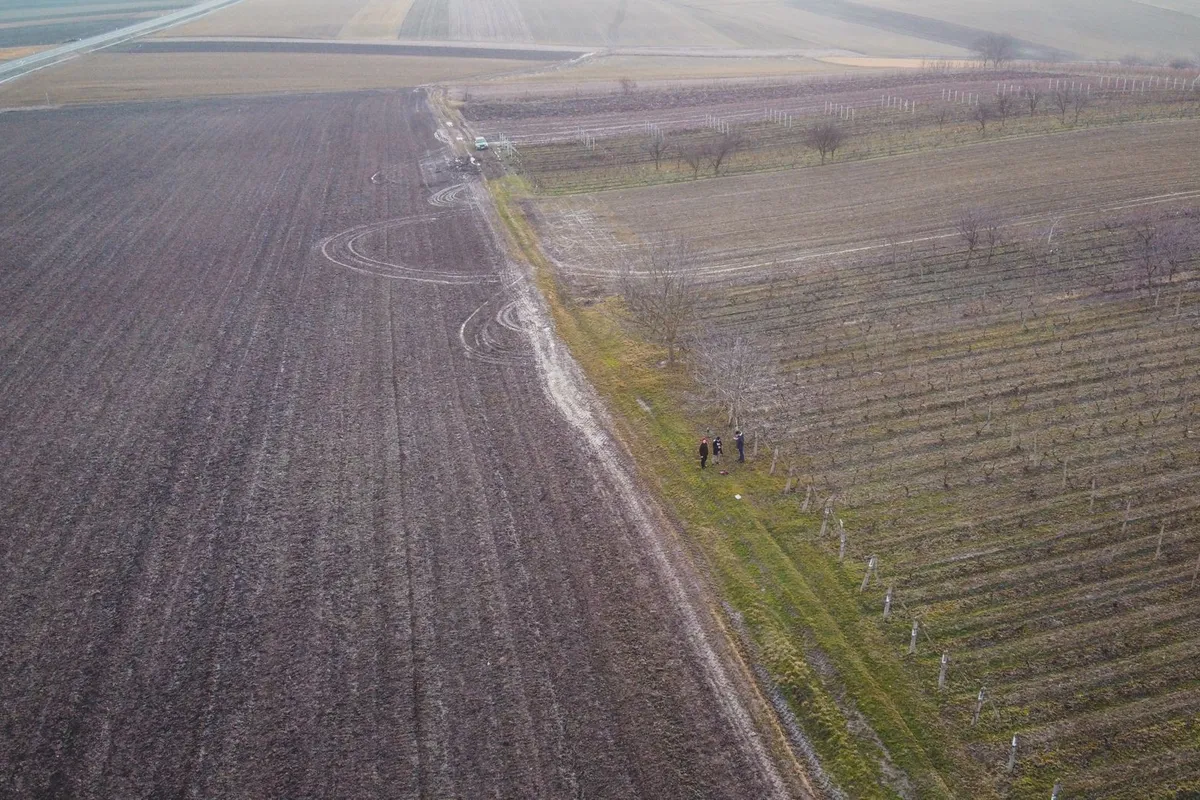
While farmers in many parts of Croatia struggle for every inch of arable land, in Istria the story of land is told in a completely different tone. There, more than 15,000 hectares of state land have been distributed to farmers, with Vodnjan becoming the epicenter of interest. This municipality leads in leasing land, and a new round of bid collection is currently underway, lasting for the next 40 days.
The story of the Vodnjan phenomenon was brought by HRT's Regional News, which visited one of the largest family-run organic olive growers in the country. Andrea Lupieri, a 46-year-old farmer, already leases 40 hectares of state agricultural land, but he is among the first to apply for every new tender. The reason is simple and long-term.
"We prefer as long a lease as possible because it becomes profitable for us. There's clearing, land preparation... especially olive growing, because it's a generational endeavor-something you invest in now, and someone else will enjoy it only in about ten years. I'm 46, so it will be for other generations," Lupieri told HRT's Regional News.
His story paints a broader picture: farmers are not seeking land for quick profit, but for investment in a future that will pay off only for the next generations.
Vodnjan's mayor, Igor Orlić, shared concrete figures with HRT that show the scale of interest. "With 390 signed contracts in the past two or three tenders, we have allocated 640 hectares," he stated. But that's not the end of the story. "We still have 926 hectares of agricultural land owned by the Republic of Croatia at our disposal-arable land, of course, where any crop can be planted," Orlić added.
These figures reveal that Vodnjan has managed to put significant areas of state land into use in just a few tenders, and the capacity for further growth remains large. Farmer interest is not waning, and the newly opened tender should show the appetite for the remaining nearly a thousand hectares.
Beyond the economic benefits for farmers and the development of the local community, cultivating neglected land has an additional, often overlooked value. As noted by HRT, cultivated terrains ensure better fire protection. Neglected and uncultivated areas not only mar the appearance of a town or municipality but also pose a significant danger during the summer season. By leasing land, Vodnjan simultaneously encourages agricultural production and acts preventively on the safety of the area.
The full video segment from HRT's Regional News was published on August 3, 2026, and Jutarnji list published a more detailed article the following day, August 4, about the record interest in state agricultural land in this Istrian town.