Married Couple Šincek Buried Hazardous Waste
USKOK Investigates Network of Suspects Including Family, Business Partners, and Former Chief State Inspector Andrija Mikulić.
USKOK Investigates Network of Suspects Including Family, Business Partners, and Former Chief State Inspector Andrija Mikulić.
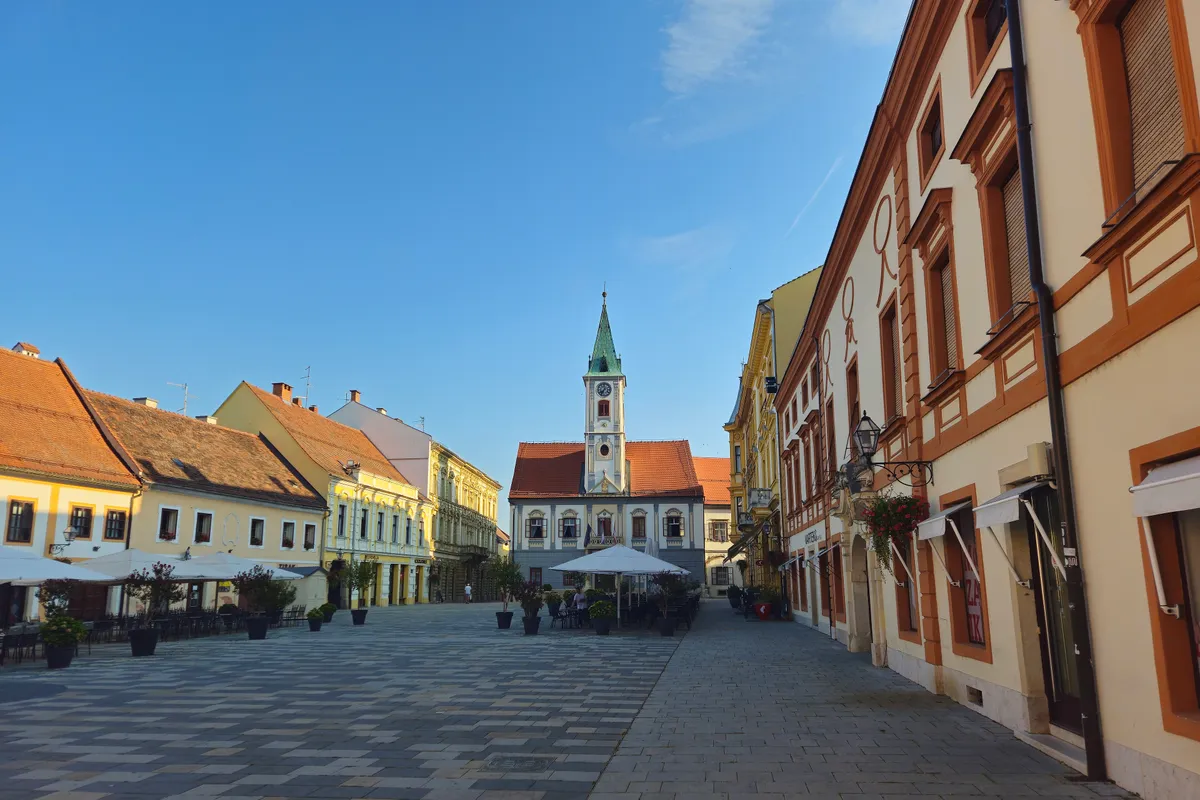
After USKOK released a report on hazardous waste pollution in the areas of Gospić, Varaždin, and Benkovac, the married couple Josip and Monika Šincek have come under the spotlight of the investigation. According to journalist Laura Šiprak of 24 sata, Josip is accused of devising the entire illegal system, while Monika played a key role in coordinating operations, contracting, and managing companies.
The Šincek companies officially dealt with waste processing into construction products, which is why trucks full of bales of plastic and ground material did not raise suspicion for a long time. However, USKOK suspects that behind the facade of legal business lay a lucrative hazardous waste operation.
Laura Šiprak of 24 sata describes the scheme that generated profit: "The basic math was simple: waste disposal in European countries is expensive, especially when it comes to hazardous, medical, or hard-to-degrade waste. The Šincek companies offered lower prices than competitors, won contracts, and then, instead of costly and proper waste treatment, part of the shipments would be brought to Croatia, ground up, covered with soil and gravel, or mixed with construction material. The difference between the charged disposal and the actual, far cheaper burial remained with the organizers."
Europol is also involved in the investigation. The waste mainly came from Italy, Slovenia, and Germany, with a smaller portion of medical waste originating from hospitals in Croatia. Through approximately 1,750 shipments, each weighing around 20 tons, about 35,000 tons of waste were imported into Croatia.
In addition to the married couple, USKOK is investigating a number of other individuals. Jerko Kostelac, who long worked in the Lika-Senj County as an environmental protection advisor, was among them; he approved waste management permits for the company Tipos Resurs in Gospić.
The circle of suspects also includes family members: Monika's father, Mile Stevanović, who is suspected of procuring soil and gravel to cover the ground waste, and Antonija Bauk, partner of Monika's brother. An important link in the business structure is Franciska Dodić, who coordinated workers and transport with Monika through related companies.
Particularly intriguing is the role of Paško Dodić, a goldsmith and Franciska's husband, who owned quarry land near Benkovac; waste was also disposed of there, despite lacking permits. Although Dodić is not listed among the suspects in the initial part of the case, he is an important connection among the actors. According to available data, he was the one who connected Josip Šincek with the then Chief State Inspector, Andrija Mikulić.
Mikulić's name has opened a new, politically most sensitive level of the case. In his defense before USKOK, Josip Šincek made serious accusations. "Šincek claimed in his defense before USKOK that Mikulić demanded a half-million euro bribe to make the inspection turn a blind eye and allow him to continue his business. According to these claims, they met at least twice in a pub in Gospić," reports Laura Šiprak for 24 sata.
Šincek claims he did not pay the money, and after those meetings, his companies began to have their permits revoked. On the other hand, Mikulić's lawyers have stated that they are not aware of these claims. It is up to USKOK to decide whether Šincek's statements are accurate or an attempt to shift blame onto others.