Britain Faces Food Shortages: Worst Drought Since 1911, Yields Halved
The National Farmers' Union warns that water supplies are running out and a third of farmers are operating at a loss. The government is urged to urgently build reservoirs.
The National Farmers' Union warns that water supplies are running out and a third of farmers are operating at a loss. The government is urged to urgently build reservoirs.
Britain is facing a serious threat of food shortages as unprecedented drought and heatwaves destroy crops and force livestock farmers to use expensive winter feed, the National Farmers' Union (NFU) warned on Monday.
According to data from the UK Met Office, England recorded only 5.6 mm of rainfall by the end of July 2026, just 8% of the long-term average for that month. This breaks the previous record low from 1911, when 13.4 mm of rain fell. In Wales, the situation is equally alarming, with just 7.9 mm of rainfall, also 8% of the monthly average and nearly a third of the 1911 record of 22.6 mm.
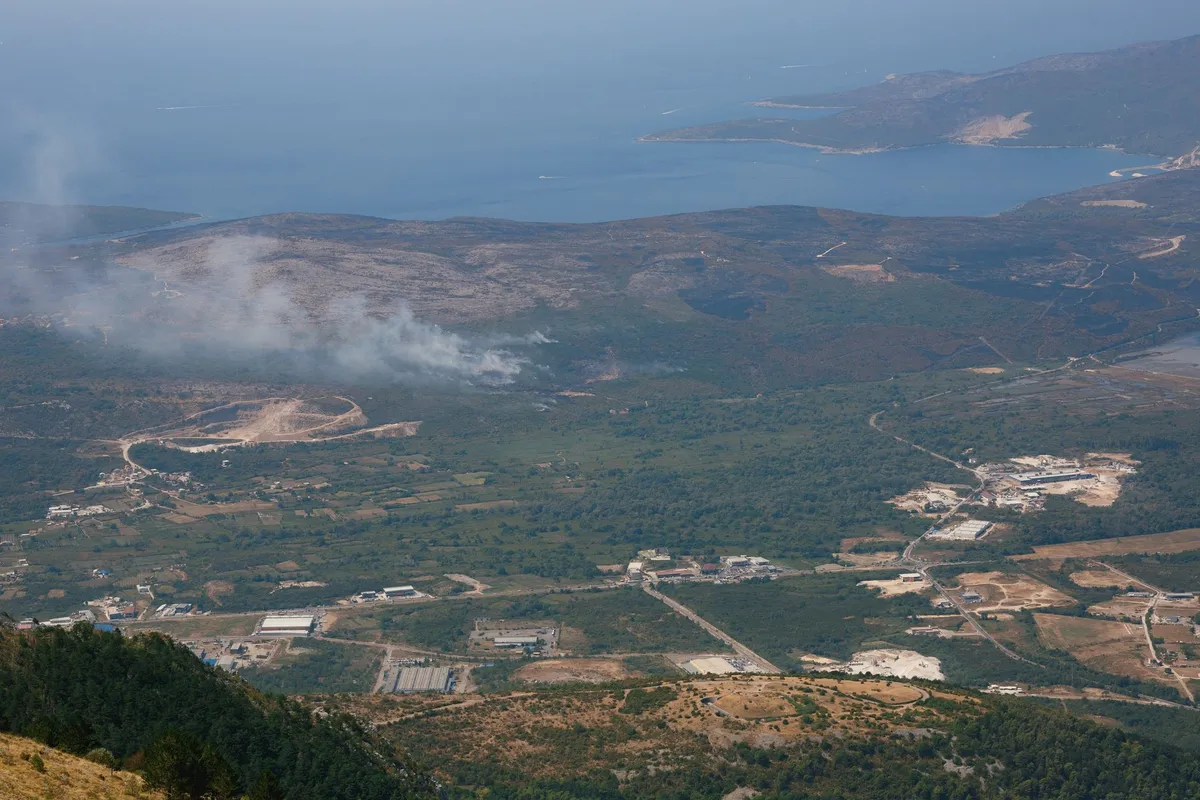
In some parts of England, rain has not fallen for over a month, and the combination of dry soil and extreme heat has already sparked devastating wildfires, such as the one in Suffolk. Due to the critical situation, a hosepipe ban has been introduced for more than 20 million people in England and Wales, while the BBC reported an amber weather warning in key regions.
The impact on agriculture is dramatic. NFU President Tom Bradshaw said this year's wheat and oat yields are "extremely poor." Growers report that crops are half their normal height, and due to extreme heat, England is experiencing its earliest harvest ever. Farmers in the south and east of the country have finished work two to three weeks earlier than the usual average.
Livestock farming is also under severe strain as grass in pastures is barely growing, forcing farmers to dip into winter feed supplies already. Bradshaw stressed that high temperatures and water shortages have put the entire sector under unprecedented pressure, with vegetable producers left without essential resources, directly reducing domestic output and increasing costs.
Tom Bradshaw called on the British government to take urgent action, highlighting the absurd situation where vast amounts of winter rainwater are pumped into the North Sea instead of being stored. "We cannot change the current situation, there is no water in our rivers. But we must use this to take steps for the future. For too long, we have taken food supply for granted," Bradshaw said.
"We must realize that water security is a key part of our food security, and food security is our national interest," added the NFU president.
Key demands include the urgent construction of new reservoirs and the introduction of tax breaks for farmers who build their own water storage systems. Bradshaw warned that relying on imports is no longer a safe option, as countries from which Britain traditionally buys food are also facing climate change.
Experts warn that extreme weather conditions are becoming the "new normal" for British agriculture, with this being the third major drought in the last five years. The situation is compounded by the sector's dire financial state: after the removal of European Union subsidies, nearly a third of British farmers are operating at a loss or barely surviving.
"The climate is changing in other countries around the world that we currently rely on for imports. It feels like there will be food shortages. We must draw a line and prioritize domestic food production," Bradshaw concluded.