Waking Up Tired Even After Eight Hours of Sleep?
Eight hours in bed doesn't guarantee eight hours of quality sleep. Frequent awakenings, irregular rhythms, and hidden health issues can be the real culprits behind morning exhaustion.
Eight hours in bed doesn't guarantee eight hours of quality sleep. Frequent awakenings, irregular rhythms, and hidden health issues can be the real culprits behind morning exhaustion.
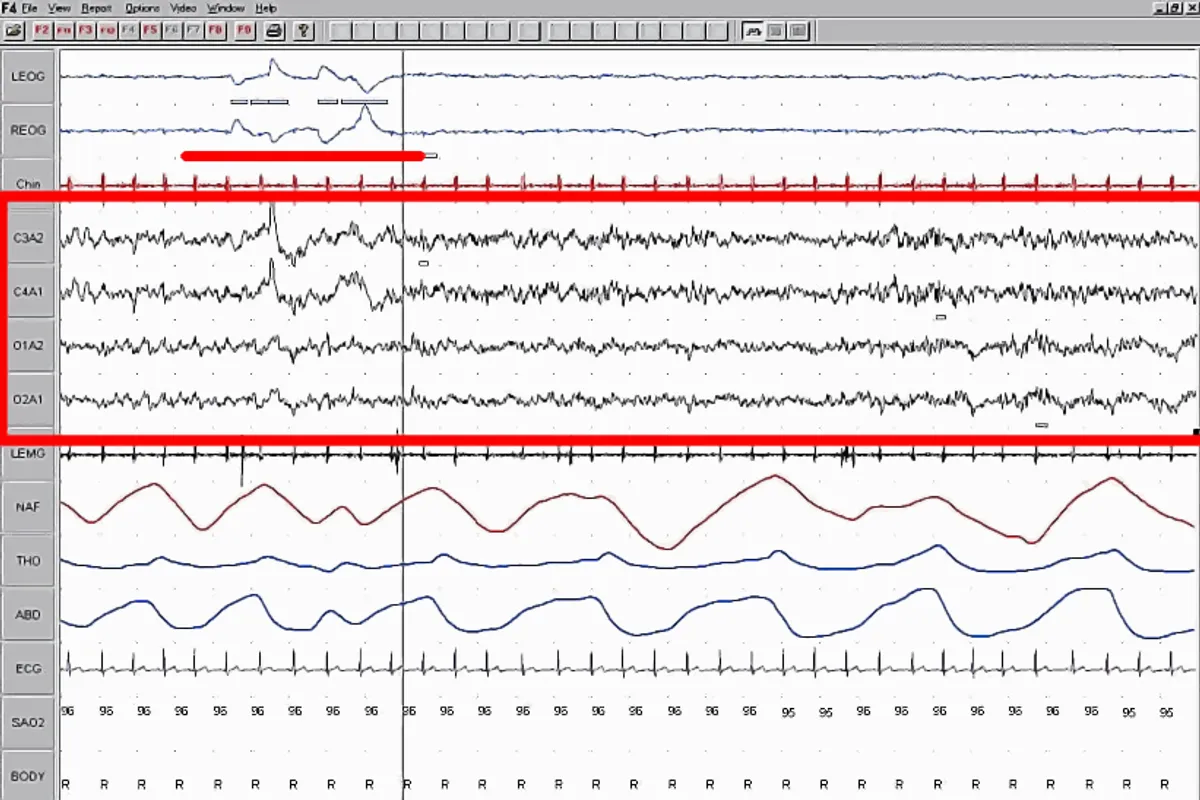
Spending eight hours in bed doesn't automatically guarantee eight hours of quality sleep. If you wake up tired every day, struggle with thinking, and find it hard to stay awake during the day, the cause may not be the length of your sleep but rather frequent interruptions, an irregular schedule, or a health issue you don't notice at night.
Both quantity and quality are important for healthy sleep. Most adults need about seven to nine hours, but sleep must be sufficiently uninterrupted for the body to cycle through all stages. Frequent brief awakenings can disrupt this process, even if you don't remember them in the morning. According to the U.S. Centers for Disease Control and Prevention (CDC), both sufficient sleep duration and good sleep quality are equally vital for health and optimal daytime functioning.
One possible reason for morning exhaustion is an irregular schedule. Going to bed at different times, sleeping in on weekends, and waking very early on weekdays can disrupt your body's internal rhythm. You might spend eight hours in bed but wake up during a sleep stage from which waking is more difficult.
The temporary confusion you feel upon waking is known as sleep inertia. It can involve slowed thinking, disorientation, and a feeling that your body isn't fully awake yet. It typically lasts from a few minutes to about an hour, though it can persist longer in some people.
Sleep can be interrupted by noise, a bedroom that's too warm, the need to urinate, pain, heartburn, or a restless partner. Drinking alcohol before bed may help you fall asleep faster, but it can disrupt sleep continuity later in the night. Consuming caffeine, nicotine, or heavy meals in the evening can also make it harder to fall asleep or interrupt sleep continuity. Experts advise reducing screen time at least thirty minutes before bed, darkening your space, and waking up at roughly the same time every day.
Pay special attention to loud snoring. If family members notice pauses in breathing during the night, followed by sudden gasps, snorting sounds, or choking, this could indicate sleep apnea. Symptoms of sleep apnea may include excessive daytime sleepiness, dry mouth, morning headaches, difficulty concentrating, mood changes, and frequent nighttime urination. The UK's National Health Service (NHS) also lists loud snoring, frequent awakenings, and sounds of choking or gasping for air as symptoms to watch for.
Morning fatigue doesn't always stem from sleep itself. Chronic exhaustion can result from anemia, thyroid dysfunction, diabetes, infections, depression, long-term illnesses, or side effects of certain medications. The NHS mentions sleep apnea, anemia, and diabetes as potential causes of persistent fatigue, depending on additional symptoms.
Before seeing a doctor, it's advisable to keep a simple record of your condition for two weeks. In this diary, note your bedtime, how long it took to fall asleep, the number of nighttime awakenings, your wake-up time, and your mood and energy levels during the day. Also record when you had your last coffee, alcohol consumption, naps, and physical activity. Such a log can reveal patterns that are otherwise hard to spot in daily life. If sleep apnea or another disorder is suspected, your doctor can decide whether a sleep study is necessary.