10-Euro Tomatoes: Grower Reveals Why Cherry Varieties Are Never on Sale
Pero Pušić from the Črleno srce association explains how high transport costs and imbalanced retail chain margins shape market prices.
Pero Pušić from the Črleno srce association explains how high transport costs and imbalanced retail chain margins shape market prices.
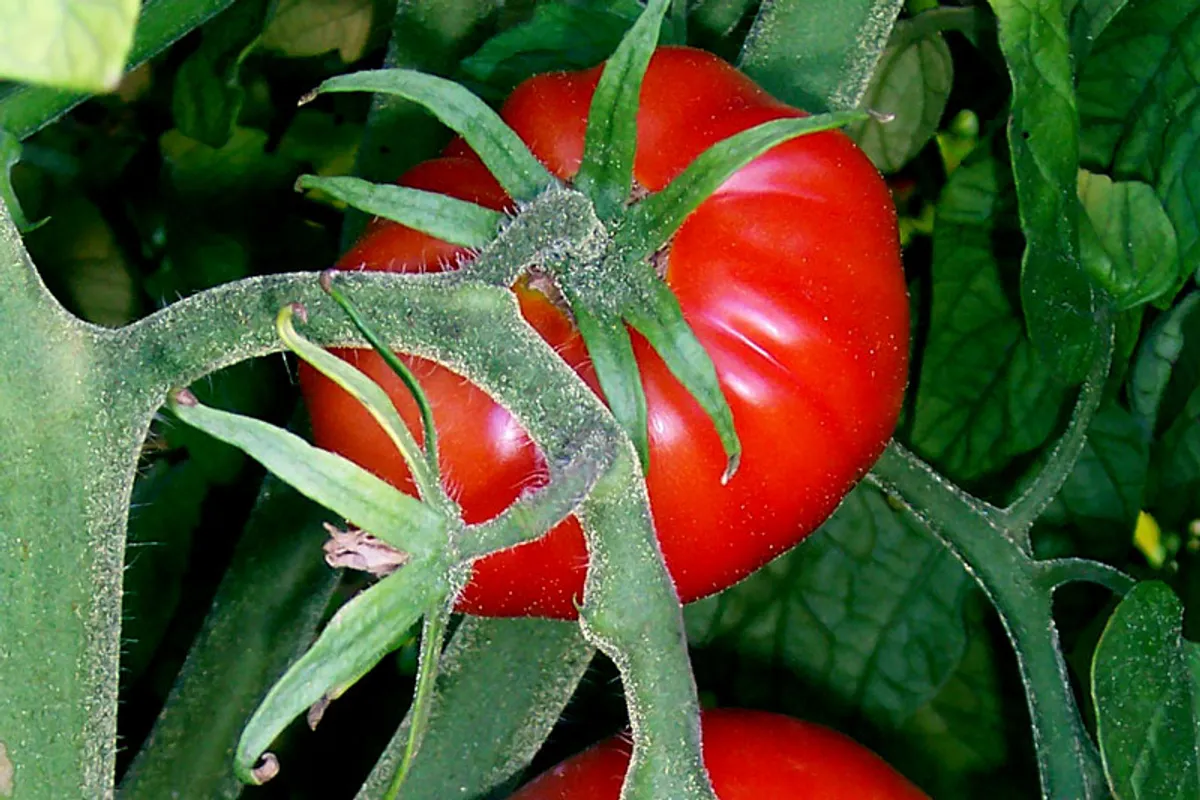
While the summer season brings millions of tourists and increased consumption, the prices of certain food products in Croatia are reaching record levels. Recently, tomatoes have taken center stage, with prices at domestic markets in some cities hitting 10 euros per kilogram, making them more expensive than certain types of meat.
However, these are not standard table varieties but cherry tomatoes, which are traditionally pricier. Pero Pušić, president of the Črleno srce association from Prelog, which brings together around twenty family farms from Međimurje, offered an explanation for such high prices.
Pušić points out that growing cherry tomatoes is not significantly more complicated than growing standard varieties, but harvesting is more demanding and takes longer due to the smaller fruits. The main reason for the high price, however, lies in logistics and consumer habits.
"The reason for the high price is that Croatian consumers don't have a habit of eating cherry tomatoes. And since they are smaller, the costs of transporting them and everything else are much higher compared to more popular varieties. It's not profitable for anyone to haul three hundred small packages of cherry tomatoes. Clearly, that drives up transport costs. That's why you won't find these tomatoes on sale in stores either," Pušić explained.
He added that another reason for their high price is their superior quality, namely the fact that they are exceptionally sweet and flavorful.
The issue of high prices in stores isn't limited to tomatoes. Pušić warns of a significant gap between the farm-gate prices domestic producers receive and the final prices on shelves.
"Our agricultural products, when we sell them to retail chains, are extremely low-priced. The thing is that retail chains, mostly foreign-owned, inflate their margins. For example, our farm-gate price for watermelons is around 20 cents per kilogram, and for potatoes, it's 30 to 35 cents, while store prices are several times higher," he emphasized.
Pušić believes that domestic producers can grow most of the crops the market needs, but that requires retail chains to be willing to buy them at fair prices. He describes the current situation as "retail chains pumping up prices and squeezing small producers."
Although store shelves feature imported tomatoes alongside domestic ones, mostly from Spain and Italy, Pušić highlights a key advantage of Croatian products. According to him, fruit picked at optimal ripeness and near a distribution center delivers the best flavor to the end consumer.
"If we can compete on price, they can't compete with us on flavor-products from Spain or Greece take more days to reach our market, get re-sorted at distribution centers, and only then arrive at retail outlets," he stressed.
As an additional challenge for domestic agricultural production, Pušić also cites the mismatch between tourism, as Croatia's largest consumer, and domestic production. As for further price increases, Pušić estimates that, at least from domestic producers, there should be no additional hikes in the fall, but he adds that the moves of retail chains will play a key role.