Danube at Historic Low: Serbia in Energy Crisis
Record-low water levels and a heatwave strain the energy system. The Djerdap hydropower plant operates at just a quarter of its capacity, and the price per megawatt-hour has exceeded 500 euros.
Record-low water levels and a heatwave strain the energy system. The Djerdap hydropower plant operates at just a quarter of its capacity, and the price per megawatt-hour has exceeded 500 euros.
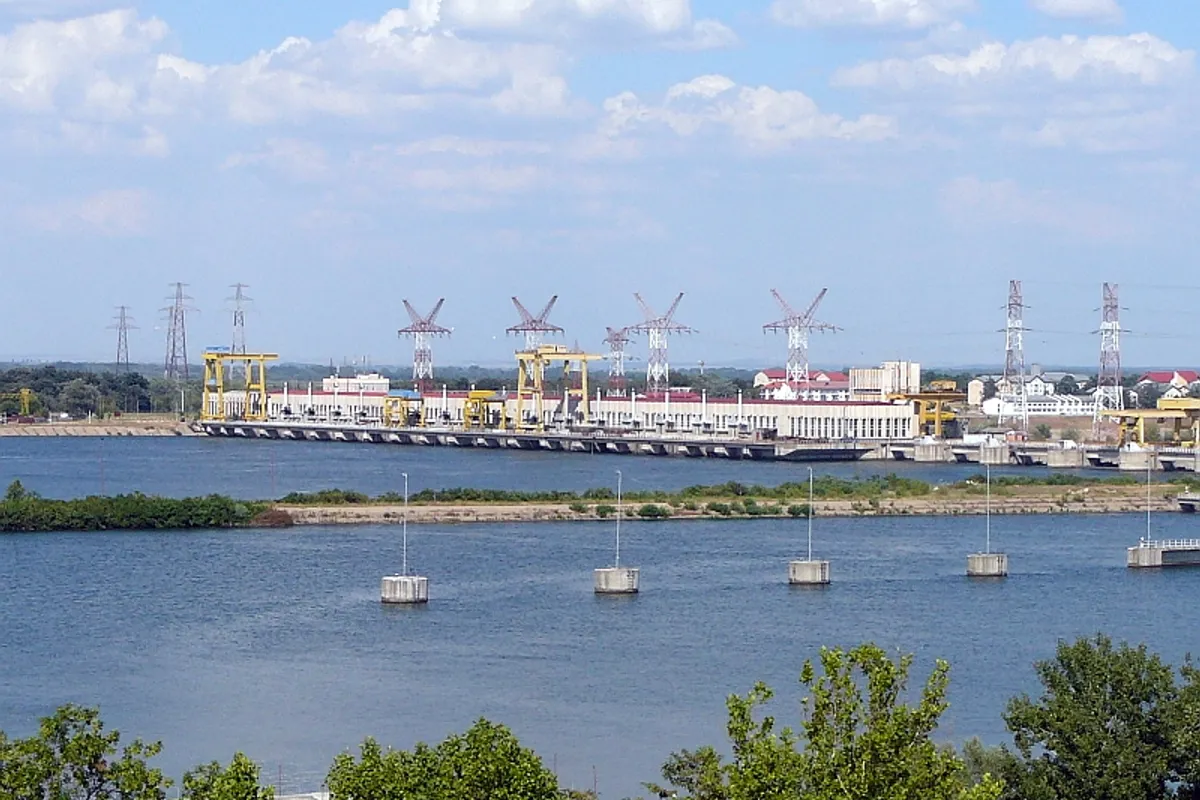
Serbia's Ministry of Mining and Energy issued an urgent call on Monday for full engagement from all employees in the energy sector. The security of electricity supply has come under serious pressure due to the simultaneous impact of a heatwave and record-low water levels on the Danube, which has reduced the country's largest hydropower plant to minimal operation.
Minister of Mining and Energy Dubravka Đedović Handanović stated that water inflows at the Djerdap hydropower plant reached a historic low on Monday of just 1,450 cubic meters per second. As a result, this key plant is currently operating at only a quarter of its installed capacity. The minister emphasized that water levels are being coordinated in cooperation with Romanian authorities.
The situation is somewhat more favorable on the Drina River, where the reversible hydropower plant Perućac in the artificial lake on Tara has reserves of 140 gigawatts. According to Đedović Handanović, this is "enough to respond in case of unforeseen circumstances."
The drop in hydropower production immediately impacted exchange prices. On Monday, the price of electricity exceeded 500 euros per megawatt-hour, a level not seen since the crisis in 2022. To compensate for the shortfall, Serbia is relying on its coal-fired thermal power plants in Kostolac and the Nikola Tesla Thermal Power Plant in Obrenovac, which with its four units produces more than half of the electricity for the domestic market annually.
Minister Đedović Handanović was clear about the financial implications. "This is why it is essential to plan and monitor the situation to the maximum extent, with the necessary dedication of all employees in the energy sector," she emphasized.
Additional pressure on the energy system comes from the relentless heatwave. A red weather alert has been declared for the entire country for Tuesday, with expected temperatures between 37 and 39 degrees Celsius. Meteorologists warn that the hot weather will persist until the end of the week, with highs between 36 and 39 degrees. In direct sunlight, during peak heatwave moments, the perceived temperature could reach 48 degrees. At noon, Zlatibor recorded 30 degrees, with a one-degree increase forecast for the coming days.
Low water level issues are not limited to Serbia. The prolonged drought is causing increasing difficulties on European rivers, where cruises are being canceled and cargo ships are sailing with significantly reduced capacity. This development in the regional energy market could indirectly affect Croatia, given the interconnection of power systems and price formation on the exchange.