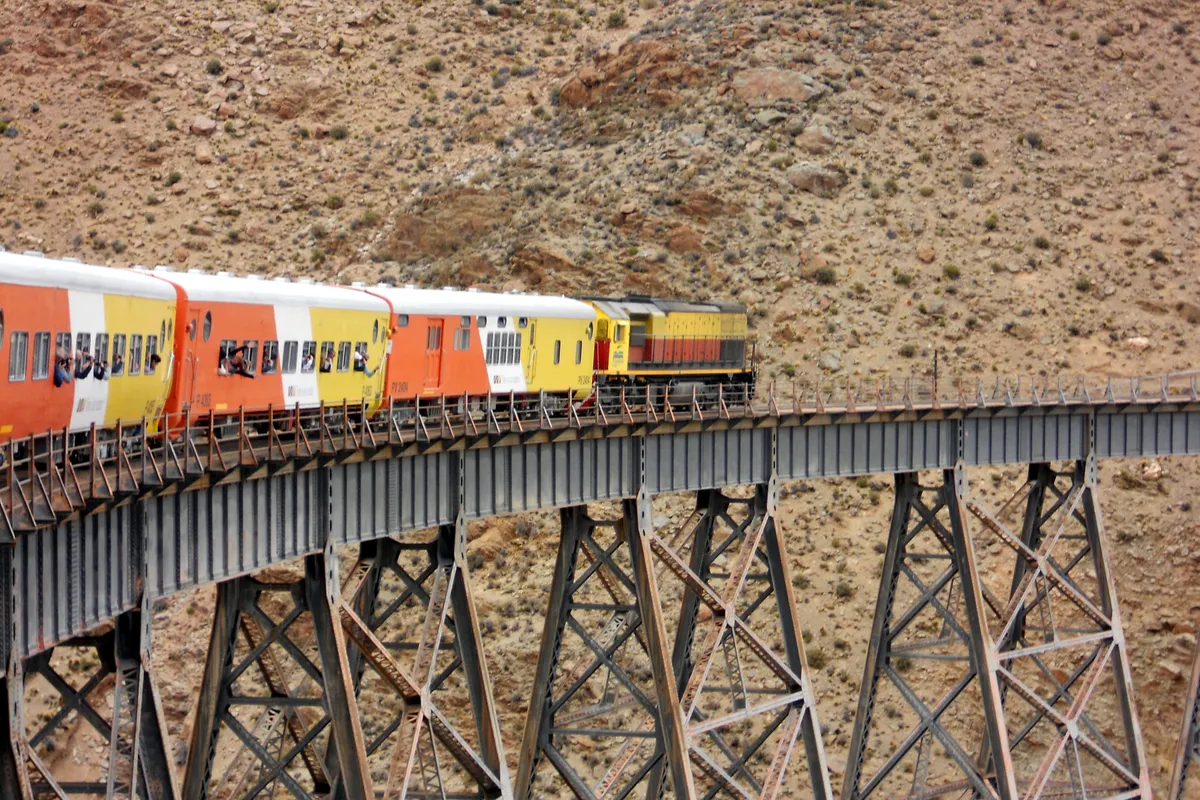
After two serious incidents on Croatian railways occurred within just two days, fortunately without fatalities, the public is eagerly awaiting the results of official investigations. While the search for answers continues, Mario Grbešić, president of the Croatian Railway Traffic Union, shared his perspective with 24sata, expressing concern over the unusual recurrence of the same scenario.
Saturday's Collision with 25 Injured
The first and more severe incident occurred on Saturday, August 8, 2026, around 10 a.m. on the line between Sv. Ivan Žabno and Gradec stations, near the village of Škrinjari. A passenger train, operated by a 61-year-old driver, collided with a freight train driven by his 20-year-old colleague. Twenty-five people were injured in the accident. Although the police investigation at the scene has concluded, the official cause of the collision has not yet been released. Immediately after the accident, information emerged that the young driver had passed a red "STOP" signal.
Incredible Repeat Near Škrljevo
Just a day later, on Sunday, August 9, an almost identical situation nearly occurred. Near Škrljevo, a freight train passed a red signal, failing to yield to an oncoming passenger train from Zagreb. Thanks to the swift intervention of HŽ Infrastructure staff, who spotted the danger and cut the power in the overhead contact line, both trains stopped at a safe distance, and a collision was prevented.
Grbešić: 'The Problem Is Non-Compliance with Regulations'
Mario Grbešić believes the cause of the first collision was not a signaling malfunction but human error. He explained that Croatian Railways have detailed protocols in place for cases when signaling fails, adding that the section of track where the collision occurred, along with its signaling, was renovated several years ago.
"Croatian Railways have prescribed traffic protocols for all operating conditions, including in the event of signaling failure. The signaling that is installed works everywhere. If it breaks down, it is replaced, but until it is replaced, the level of train traffic safety is raised. This is done in several ways, including a written order given to every train operating on that section. In any case, train traffic continues. Sometimes, for example, a signaling failure might mean the red light on the signal is constantly on; but in that case, the signalman is notified, who then signals whether the train can pass through the red or not. The problem is when someone in the system fails to comply with a clearly defined regulation, which, I believe, was the case in the collision of the two trains near Bjelovar,"
Grbešić told 24sata, adding that both he and his colleagues find it strange that two nearly identical situations occurred in such a short time.
"Even we find it strange that we have two identical situations in just two days, and this situation actually happens very rarely. So we are also interested in the results of the investigations,"
he said.
Beginner Drivers Are Not Uncommon
He also commented on the fact that the freight train in Saturday's collision was operated by a 20-year-old, noting that this is not unusual. He explained that young drivers undergo a lengthy training process before they can take the controls independently.
"As in any other job, after four years of schooling or retraining to become a driver, they come to us at HŽ; they must complete an additional training of about six months and then start working on trains. First, accompanied and under the supervision of senior colleagues, and then they begin to drive trains independently. Initially, they are given shorter routes, at smaller stations, and then others. Recently, we had a larger group of new employees, and we received a larger number of younger staff in the system. Namely, HŽ has been undergoing a generational shift for several years: older workers are retiring, and we are hiring new, young staff. We still don't have enough people, meaning the shift isn't complete, so we continue to post job openings. That's why you'll see younger drivers on trains in the future,"
Grbešić concluded.
While investigations into both incidents are ongoing, it remains to be seen whether they will confirm Grbešić's suspicions of human error or point to other, systemic failures.