El Niño threatens 50 million new hungry
The UN food agency warns that a strong El Niño could push tens of millions of people into acute hunger by the end of next year, with Central America, the Caribbean, and southern Africa hit hardest.
The UN food agency warns that a strong El Niño could push tens of millions of people into acute hunger by the end of next year, with Central America, the Caribbean, and southern Africa hit hardest.
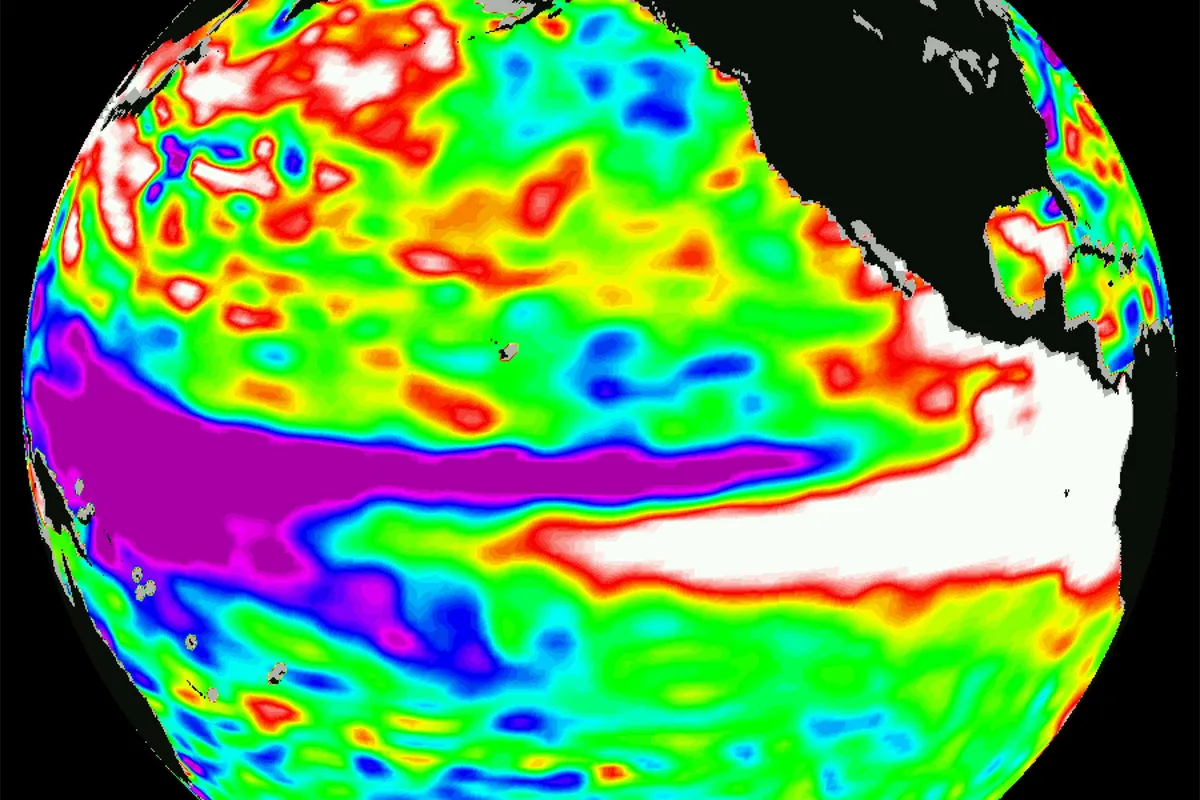
The development of a strong El Niño weather phenomenon could push approximately 50 million people into acute hunger by the end of next year, the World Food Programme (WFP), the UN food agency, warned on Wednesday. This figure comes on top of the existing 225 million people in 45 countries currently facing acute food insecurity, meaning the total number of those at risk could increase by more than a fifth.
According to WFP analysis, there is an 81 percent chance that El Niño will be very strong, with sea surface temperatures at their highest levels since at least 1982, potentially making it the strongest such event since 1950. Some are already calling it a "super El Niño," although that term is not officially recognized.
The hardest-hit regions will be Central and South America, the Caribbean, and southern Africa. In Central America, the number of people facing food insecurity is projected to rise by as much as 83 percent, and in southern Africa by nearly 75 percent. In southern Africa, South America, and the Caribbean alone, more than 12 million additional people could fall into acute food insecurity. In South and Southeast Asia, rainfall is expected to be below average, which could cause serious problems for agriculture.
Richard Choularton, director of WFP's climate and resilience service, stressed that the worst impact will be felt with a delay. "The biggest impact on food security, in southern Africa, will be during the lean season of 2027 to 2028," he said. Although the harvest at the end of 2025 was good and food prices were in favorable ranges, upward pressure on prices already exists due to conflicts in the Middle East.
Jean-Martin Bauer, director of WFP's food security and nutrition analysis service, warned that global food prices could come under additional pressure. "This will also depend on the decisions that exporting countries make. It is very important to avoid a situation where major countries halt food exports," Bauer stated. He added that at the regional level, high prices and problems with food access could certainly occur.
Bauer emphasized the historical precedent: "These are events that have caused major famines in the past." During the 2015-16 El Niño, between 60 and 100 million people were affected by acute food insecurity. Although this year's El Niño is potentially stronger, WFP hopes to mitigate the consequences through early warning programs and "anticipatory" assistance, for which at least $80 million (about £60 million) is earmarked.
Mitigation efforts, however, are hampered by reduced data collection due to funding constraints. WFP conducted 1.1 million household surveys in 2024, about 800,000 in 2025, and data collection has been further reduced in 2026. "At a time when there is a risk like El Niño, it is important to have high-frequency data collection," Bauer warned, adding that reduced monitoring could make it harder to quickly identify new food crises.
Despite the challenges, WFP has increased anticipatory actions in 18 countries this year, reaching more than 1.3 million people so far with cash and other assistance. While rainfall deficits are expected in parts of East Africa and the Sahel, the risk of flooding is rising in Somalia and neighboring areas. Farmers in the United Kingdom and Europe are also warning of the impact of extreme heat and lack of rainfall on harvests.