As Croatia marks the anniversary of the military-police operation "Storm," retired General Željko Šiljeg, then assistant chief of the General Staff for ground forces of the Croatian Defence Council (HVO), recalls in an interview with Slobodna Dalmacija the cold Kupres plateau nine months earlier. It was there, in early November 1994, that Operation "Cincar" was carried out, which, in his words, was "the alpha of all final operations in the Homeland War."
Šiljeg emphasizes that the lightning victory in Storm, which liberated more than 10,400 square kilometers of occupied territory in just 84 hours, did not come out of nowhere. Behind it were months of meticulous planning and a series of operations that gradually shifted the balance of power on the battlefield. "Had Kupres and the Kupres plateau not been liberated, everything would have been much different. Storm might not have been carried out in this way, and the outcome is questionable," the general stresses.
The Washington Agreement Provided Crucial Time for Preparation
Operation "Cincar" was not conceived overnight. Preparations began as early as late 1993, and the real opportunity for final preparations came with the Washington Agreement, which ended the Croatian-Muslim war in Bosnia and Herzegovina. "Signing the Washington Agreement gave us what we needed most-time. We used it for reorganization, resting units, filling up with personnel and equipment, training, logistics, security and intelligence preparations, and detailed planning. Everything was geared toward the success of the operation," Šiljeg recalls.
Unlike the Croatian forces, the general believes, the opposing army did not use that period in the same way. "We used that pause in the war much better than they did. They let their guard down, convinced we would never attack. That's why they were completely surprised on November 1." From the end of the Croatian-Muslim war to the start of the operation, about six months of intensive preparations passed.
Strategic Surprise and the Importance of the Kupres Junction
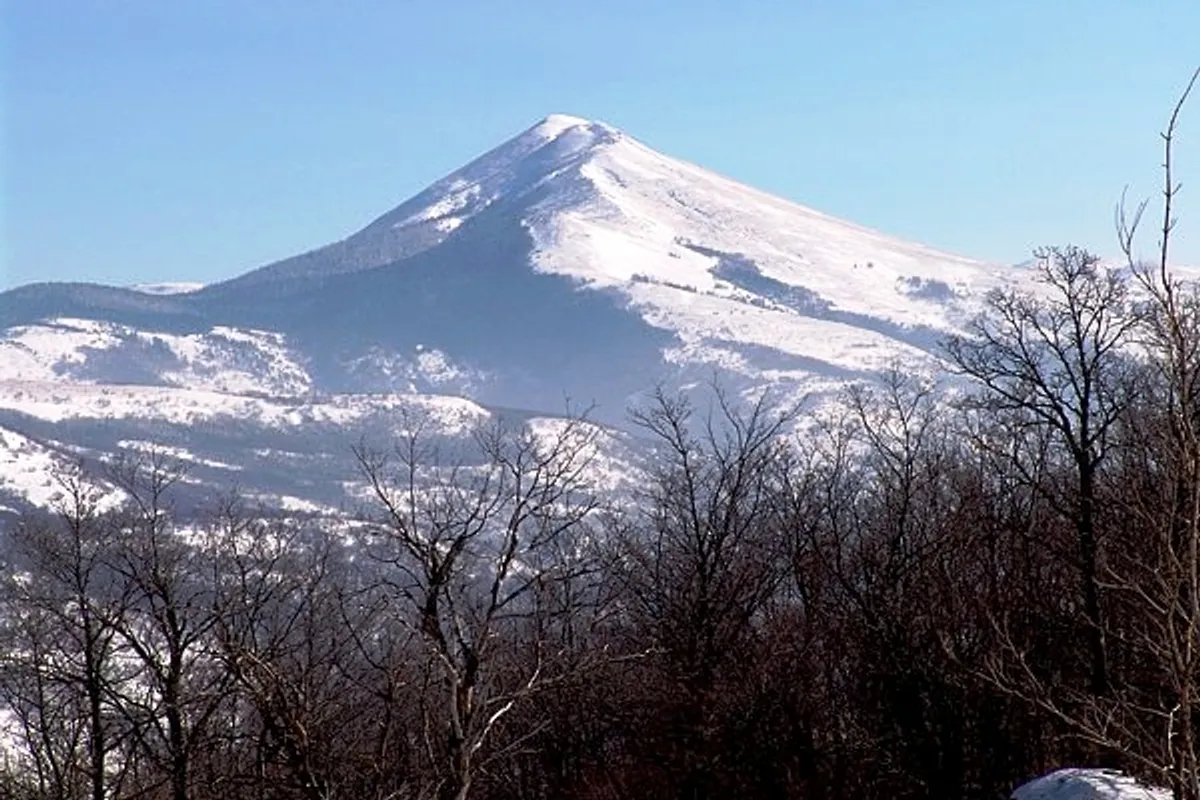
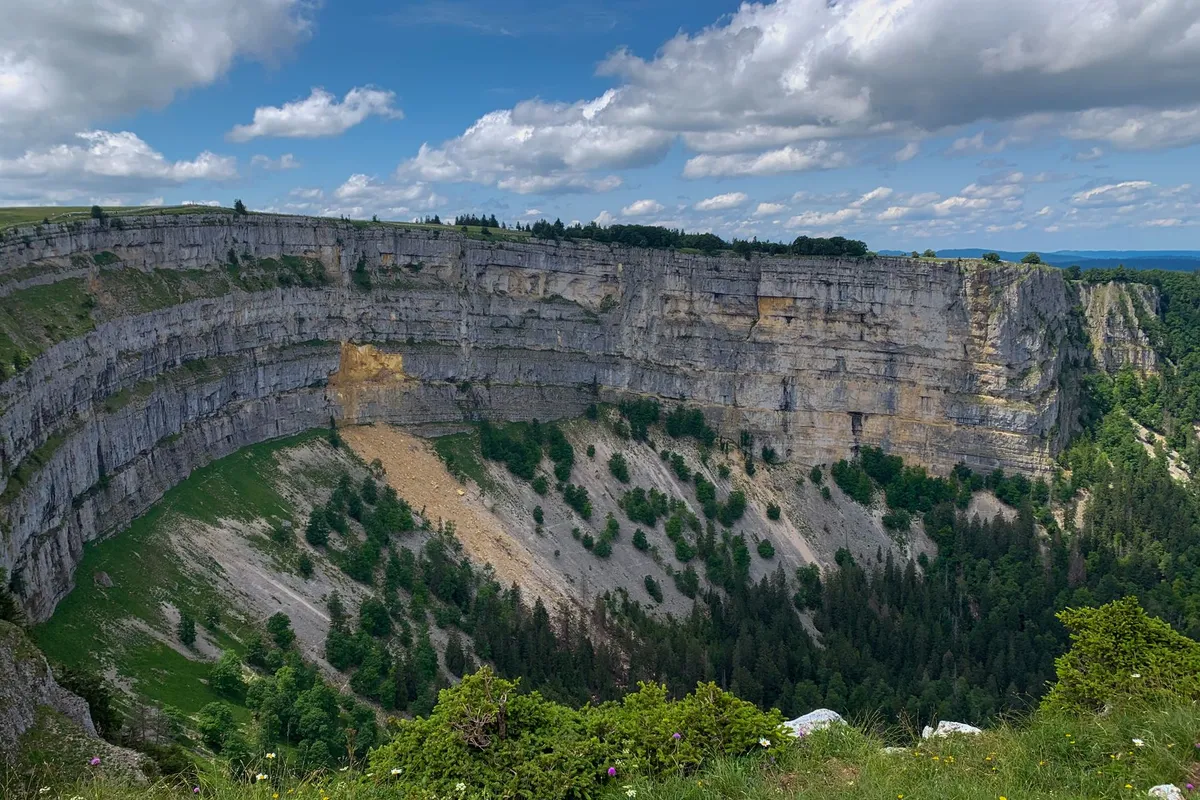
Šiljeg explains that Kupres was much more than an ordinary town on a plateau. "Kupres is a junction. Together with Tomislavgrad and Šujica, it represents one of the most important routes toward central Bosnia. Communications lead from here to Rama, Bugojno, Livno, Glamoč, Dinara, and further toward Knin. Whoever controls Kupres controls these routes." Tomislavgrad was precisely the pivotal point of the Northwest Herzegovina Operational Zone and the backbone of the defense of northwestern Herzegovina, as well as Dalmatia.
The operation began at dawn on November 1, 1994, and just three days later, Croatian forces had taken control of the Kupres plateau. Although by military standards it was an operation of about twenty kilometers in depth, its impact was strategic. "Kupres secured the right flank of Croatian forces. After its liberation, the enemy could no longer threaten our advance across Dinara and the Livno field. They couldn't disrupt logistics, attack our communications, or halt our progress. That was of crucial importance," the general emphasizes.
From Alpha to Omega
General Šiljeg particularly stresses the continuity of operations. "Cincar was the alpha of all final operations in the Homeland War, and the Southern Maneuver was their omega. From alpha to omega-from beginning to end." After the liberation of Kupres, Croatian forces immediately began preparations for Operations Winter '94, Leap 1, Leap 2, and Summer '95, which ultimately led to Storm.
In Storm, according to him, strategic surprise was achieved by advancing across Dinara in extremely harsh weather conditions. "The Serbian forces expected our main blow to come from Dalmatia. They didn't believe we could come behind Knin from this direction. That was precisely our advantage." The success was the result of detailed planning that included studying the terrain, weather, enemy forces, and our own capabilities.
Cold, Fear, and Victory
The weather in early November was not an ally to either side. "On Kupres, it's tough even in midsummer, let alone in early November. The same goes for Dinara. Conditions were extremely difficult, but they were the same for both us and them. The difference was that we were better prepared," Šiljeg recalls. The night before the operation, no one slept-artillery and rocket fire had to be synchronized with infantry advances from multiple directions.
Asked if he was afraid, the general answers honestly: "There is no man who is not afraid. But there are two things that overcome fear-knowledge and the determination to do what you believe is right. We didn't go because we hate someone in front of us, but for those we love who stay behind us." He adds that a commander must not show his fear, because his fear is not for himself but for the people he leads.
A Symbol for All Croats
Šiljeg vividly remembers the moment he entered liberated Kupres with members of the 1st Guards Brigade of the HVO "Ante Bruno Bušić." "It was immense enthusiasm. Kupres, for Croats both in Herzegovina and Croatia, is much more than an ordinary town. It is a symbol." After two and a half years of Serbian occupation, the town was neglected and devastated. "You could see they didn't consider it theirs. They invested nothing; there was no sense of normal life. As if they themselves expected to leave one day," he recalls.
Behind the feeling of victory, however, remained the other side of war. "I always remember the fallen and wounded. We must be grateful to all participants in the operation, especially the soldiers. They carried it all on their backs. Without them, none of this would have happened." The general concludes that Operation Cincar paved the way for everything that followed and was the closest to an ideal military solution.