Croatia is not a poisoned country, and it would be irresponsible to claim otherwise, writes Filip Kustra in his column published on August 12, 2026. Most water from public water supply systems is safe, food meets criteria, and the sea is among the best in Europe for swimming. Nevertheless, the author points out that official data reveal significant difficulties that can no longer be dismissed by citing solid national averages.
Kustra emphasizes that the problem is much larger than ecology, as it concerns the functioning of the state. "A citizen of Sisak does not breathe the Croatian average. They breathe the air in Sisak," the author notes, adding that one does not live in statistics but in their own street, drinking water from their own system and breathing the air through which they send their children to school.
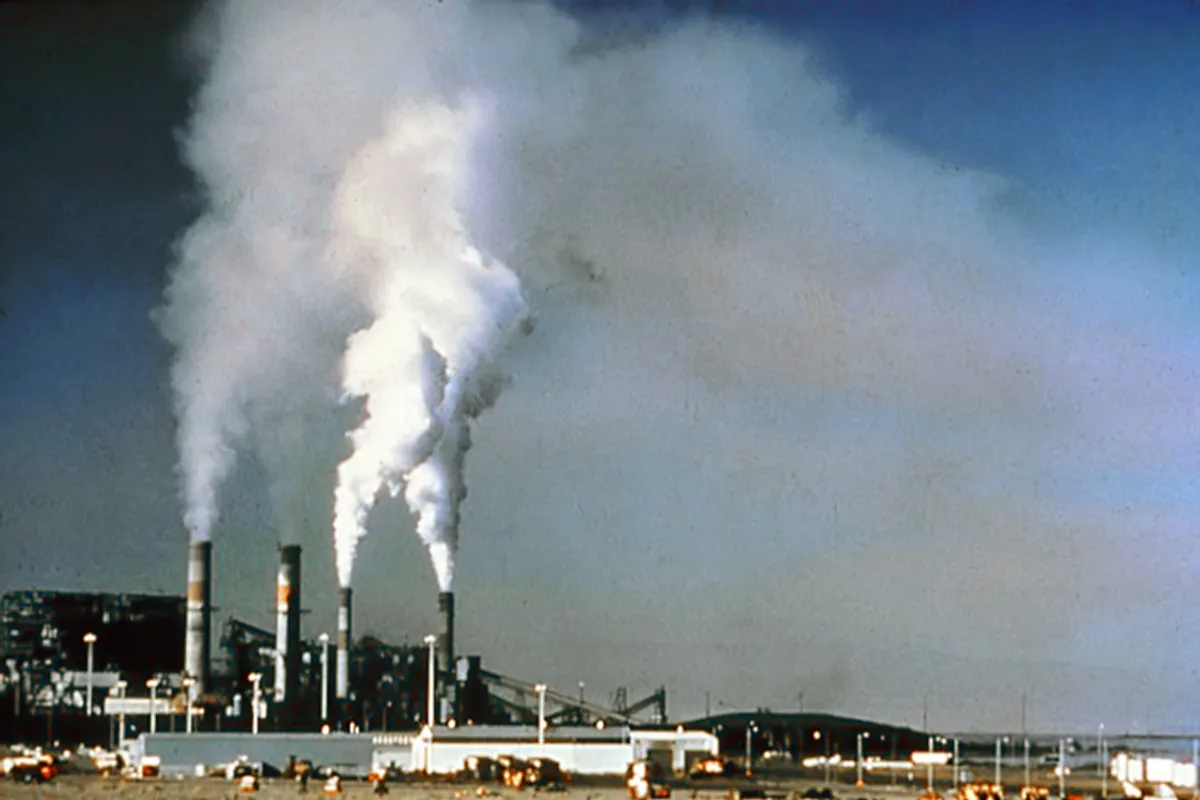
Air in Sisak, Kutina, and Zagreb Exceeds Permitted Limits
According to official air quality data for 2024, Sisak recorded 60 days with exceedances of the daily limit value for PM10 particulate matter. Kutina recorded 47 such days, while two Zagreb stations measured 43 and 50 days, respectively. According to regulations, the maximum allowed is 35 such days per year.
The author acknowledges that Croatia has managed to significantly reduce emissions of various pollutants over the past few decades but warns that the national average must not mask local challenges.
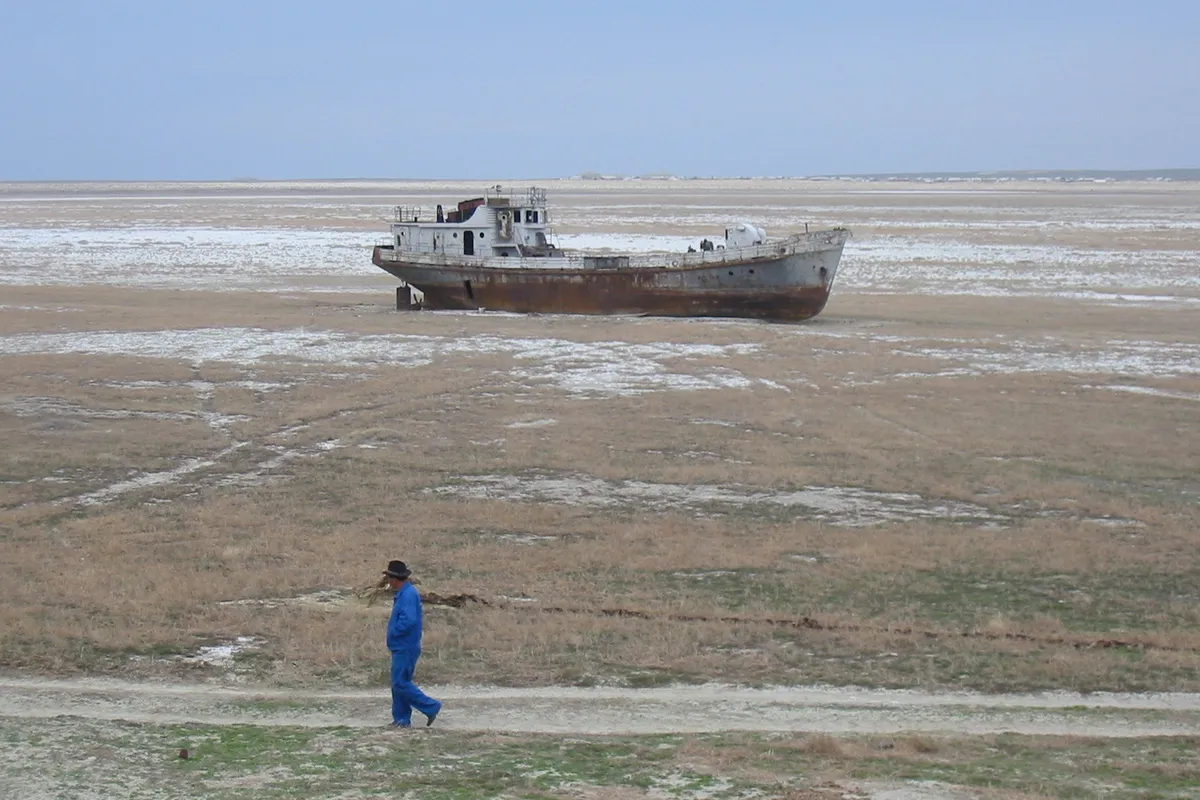
43.9 Percent of Samples from Local Water Supplies Non-Compliant
The Croatian Institute of Public Health analyzed 442 water samples from local water supplies during 2025. A total of 194 samples, or 43.9 percent, were non-compliant with regulations. Escherichia coli was detected in 99 samples, while enterococci were found in 90 samples. The Institute itself considers local water supplies the greatest public health risk in Croatian water supply.
"One can change shops, cars, or service providers. Water must be drunk and used every day," writes Kustra, stressing that the state cannot afford the luxury of improvisation when it comes to water.
Chemicals in Rivers and Sea
Official monitoring reveals the presence of PFOS, mercury, polycyclic aromatic hydrocarbons, and brominated compounds. Particularly alarming is that 40 out of 41 tested fish biota samples during the 2024 surveillance failed to meet the ecological criterion for brominated diphenyl ethers. The author clarifies that this does not mean the fish is unsafe for consumption but shows that persistent chemicals accumulate in living organisms.
The latest monitoring of coastal waters reveals that certain points in Pula Harbor, Bakar Bay, Split Harbor, and the eastern part of Kaštela Bay have not achieved good chemical status. Among the detected substances are PFOS and tributyltin compounds, and in some locations, dioxins and dioxin-like compounds were also found in biota.
The Gospić Case: 45,000 Tons of Waste
At the site of the former PPK Velebit in Gospić, there are approximately 45,000 tons of hazardous and non-hazardous waste. Previous official measurements have not indicated a threat to public water supply in Gospić and Otočac, but Kustra raises the question of how it is possible that such a large amount of waste has accumulated at a single site in an orderly European country.
The same pattern is recognized at old industrial hotspots. Sovjak near Viškovo received hazardous industrial waste for decades, while Vranjic and the area of the former Salona still bear the consequences of asbestos. "Nature knows no statute of limitations," warns Kustra.
"Clean air is not left-wing politics. Safe water is not right-wing politics. Healthy land is not a privilege of green parties. It is a matter of normal life," concludes Filip Kustra in his column.
The author emphasizes that, according to available data, Croatia is not an ecological disaster, but neither is it a country that can afford complacency. What is needed are institutions that will ensure problems do not escalate and people who will "mercilessly, in accordance with the law, punish those who steal health from us, our children, and grandchildren."