Croatia Hit by Heatwave: Air Conditioners Drive Up Electricity Consumption
HOPS confirms electricity consumption is significantly above average but reassures citizens that supply is not at risk.
HOPS confirms electricity consumption is significantly above average but reassures citizens that supply is not at risk.
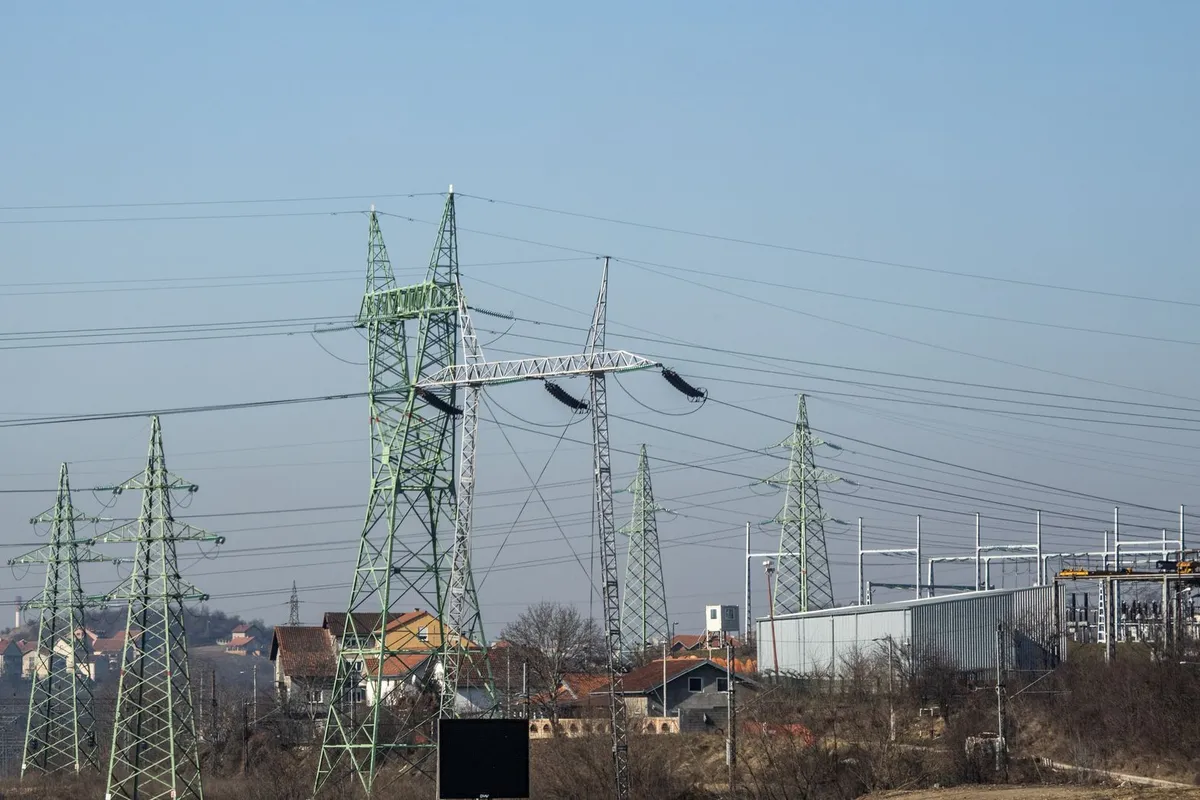
Due to high temperatures and the widespread use of cooling devices, Croatia is experiencing record electricity consumption these days. However, the Croatian Transmission System Operator (HOPS) says there is no reason for concern as supply remains stable.
On Monday, August 3, 2026, expected daily consumption was 61,825 megawatt-hours (MWh). This is significantly higher than the average for the same day in the years 2023 to 2025, HOPS confirms. Despite the increased load, the availability of the transmission network remains at its usual high level.
Last Friday, July 31, 2026, the weekly maximum daily consumption of 60,068 MWh was recorded. On the same day, at 8 PM, the highest hourly consumption of the week was also measured, reaching 3,185 MWh. For today, August 4, 2026, HOPS forecasts an even higher load at the same time, expecting a maximum hourly consumption of 3,284 MWh, which is 3.1 percent more than last week.
Despite the increase, the absolute summer record is not expected to be broken. It was set on June 29, 2026, when consumption at 8 PM surged to 3,371 MWh. Interestingly, HOPS data for today also shows a second, slightly lower projection for maximum hourly consumption at 8 PM, amounting to 2,971 MWh.
The needs of Croatia's power system are currently being met through a combination of generation from domestic power plants and electricity imports. HOPS emphasizes that no supply issues are expected. Additional pressure on some European systems is being created by low water levels in major rivers such as the Danube and the Rhine, which hampers the operation of hydroelectric and nuclear power plants, but this does not currently affect the stability of supply in Croatia.