Have Shingles? Avoid These 3 Things
Doctors warn that shingles is increasingly affecting younger people, and a timely response and avoiding certain activities are key to preventing complications.
Doctors warn that shingles is increasingly affecting younger people, and a timely response and avoiding certain activities are key to preventing complications.
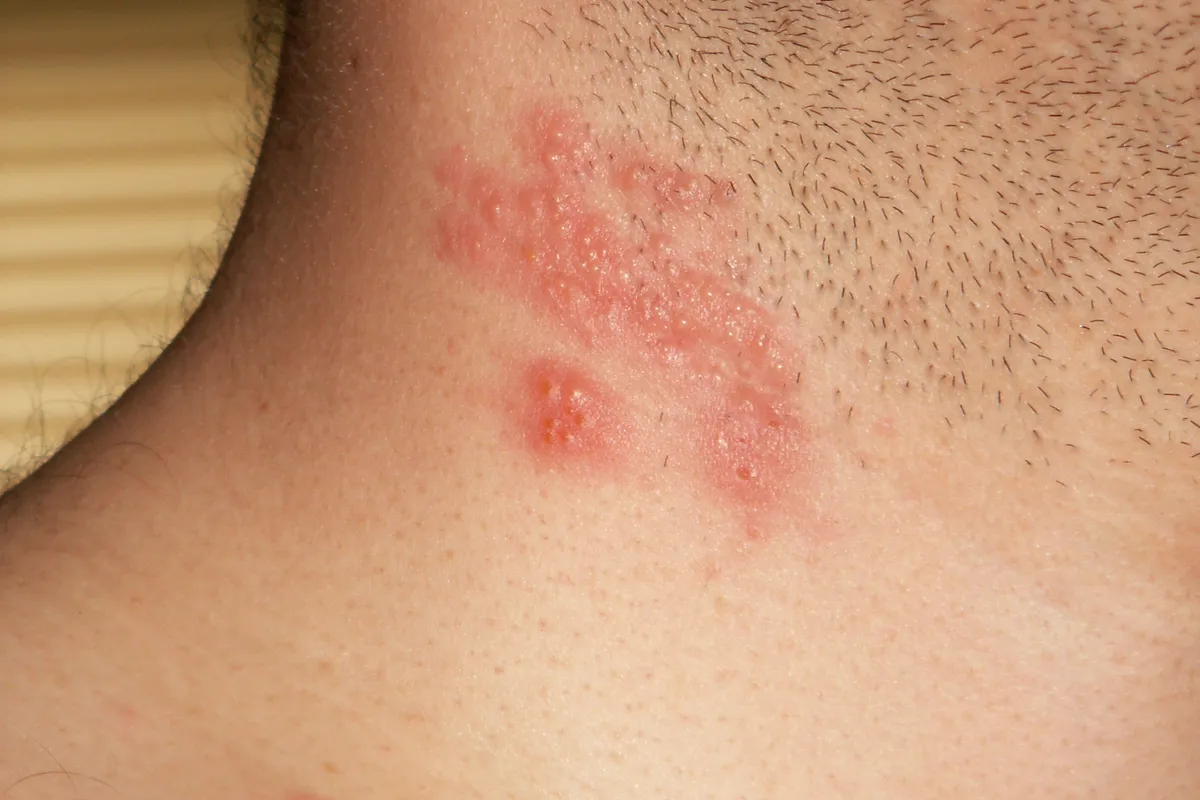
Shingles, also known as herpes zoster, occurs when the varicella-zoster virus-the same one that causes chickenpox-reactivates. After a person recovers from chickenpox, the virus remains dormant in the body and can reactivate when the immune system weakens, for instance due to stress or illness. Although it was long believed that this condition mainly affected older populations, doctors are increasingly diagnosing shingles in younger adults as well.
Besides the typical painful rash with blisters, the disease can lead to severe consequences. To ensure a faster recovery without complications, experts highlight three key mistakes you should avoid.
If you suspect shingles, the most important thing is to see a doctor as soon as possible. Antiviral medications are most effective when started within 72 hours of the rash appearing. Starting treatment early can shorten the duration of the illness, alleviate symptoms, and significantly reduce the likelihood of chronic pain that can persist for months after the rash clears.
Extra caution is needed if the rash appears on the face, around the eyes, on the forehead, or on the nose. In these cases, seek medical help immediately, as there is a serious risk of eye involvement and permanent vision damage.
While a light walk can be beneficial if you feel well enough, intense workouts are not the best choice during the active phase of the illness. Sweating, elevated body temperature, and friction from clothing can further aggravate the rash and increase pain.
Therefore, it is recommended to avoid gyms, group exercise classes, and public pools during the illness. Not only will you prevent additional skin irritation, but you will also reduce the risk of transmitting the virus to others.
Hot water can intensify the burning, itching, and pain on affected areas. Instead, lukewarm showers and mild, fragrance-free cleansers are recommended. Some people may find relief with colloidal oatmeal baths, which soothe irritated skin, as reported by Glamour.
This text is for informational purposes only and cannot replace a medical examination, diagnosis, or advice. If you suspect shingles, be sure to consult your doctor.