Iran Plans to Block Hormuz for American and Israeli Ships
A draft law in Iran's parliament would bar vessels from the US, Israel, and 'hostile' nations from transiting the key oil trade chokepoint.
A draft law in Iran's parliament would bar vessels from the US, Israel, and 'hostile' nations from transiting the key oil trade chokepoint.
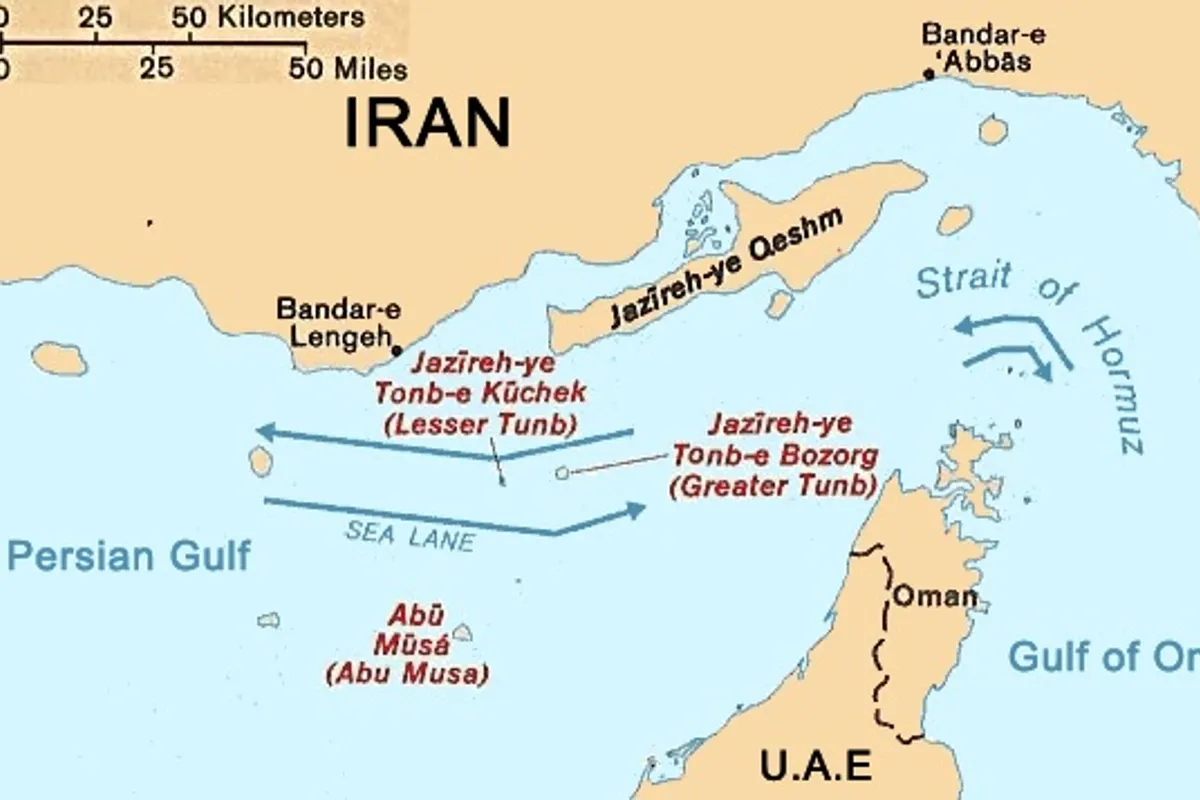
Iran's parliament is considering a new draft law that could drastically change navigation rules in the Strait of Hormuz and the Persian Gulf. According to information released on August 6, 2026, by the Iranian Fars news agency, as reported by Clash Report, the proposal includes banning passage for vessels from the United States, Israel, and other countries Tehran deems 'hostile.'
Ali Salimi, a member of the Iranian parliament's presidium, outlined the details of the plan, titled 'Strategic Action to Ensure Stability in the Strait and the Persian Gulf,' as reported by Abu Ali Express. The draft is currently under review within parliamentary bodies.
In addition to banning passage for ships flying US and Israeli flags, the proposed law goes a step further. It would completely prohibit the transport of any cargo linked to the 'Zionist entity,' regardless of whether it is military or civilian goods. The ban would also apply to ships or cargo that have participated in activities against the 'Axis of Resistance,' Iran's alliance of regional allies.
Countries and individuals who have caused harm to Iran would not be granted passage through the Strait of Hormuz and the Persian Gulf until they pay compensation for the damage inflicted. Violators would face hefty fines, potentially reaching up to 20 percent of the cargo's value.
The draft law stipulates that the Iranian government and armed forces would take responsibility for navigation control, traffic monitoring, security, and environmental protection in this strategically vital area. WarFront Witness reports that after a transitional period, all traffic would be redirected to a central corridor managed by Iran.
The Strait of Hormuz is a critical chokepoint for global energy trade, as a significant portion of the world's oil passes through it. A potential blockade or restriction on passage could have serious repercussions for global oil markets and energy security, including for the European Union. The proposal is still in its early stages, and it remains unclear whether it will be adopted in its proposed form.