Janaf and MOL Sign Contract for 2.05 Million Tons of Oil
The multi-million-euro deal was concluded after heated negotiations with political undertones, including accusations from Budapest of war profiteering.
The multi-million-euro deal was concluded after heated negotiations with political undertones, including accusations from Budapest of war profiteering.
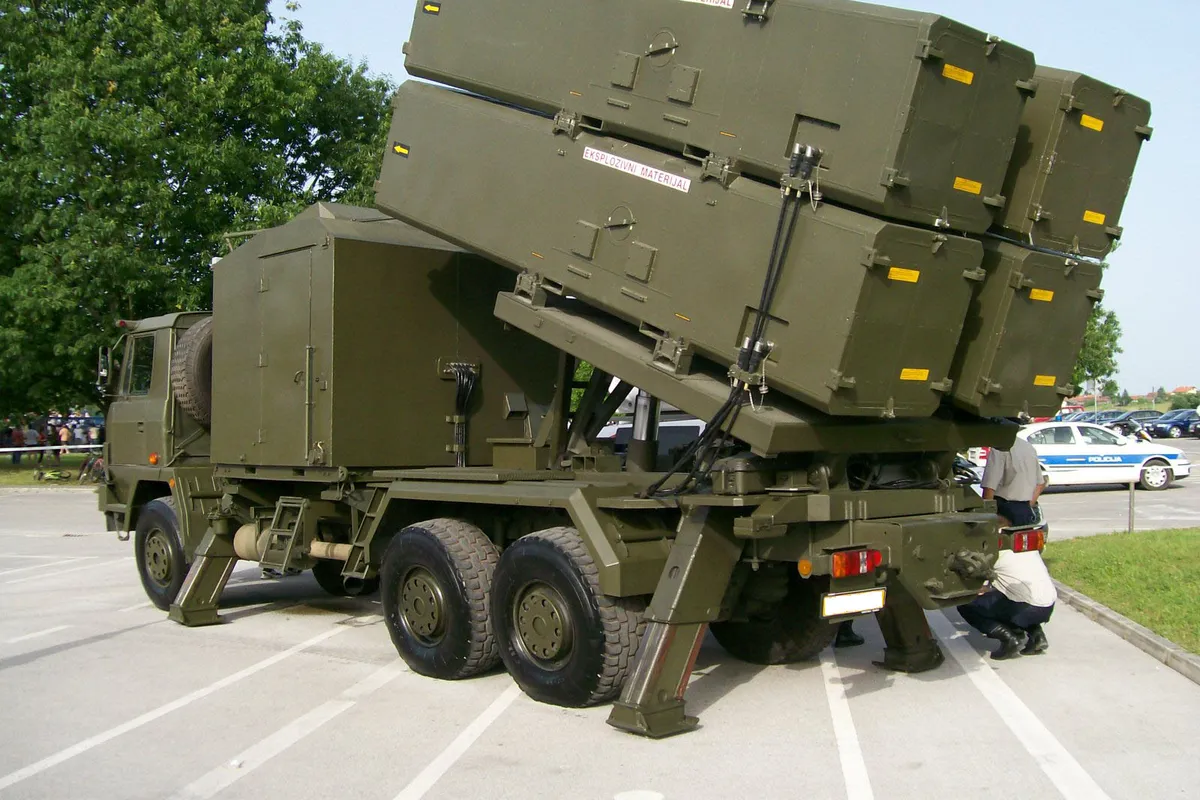
Jadranski naftovod (Janaf) and Hungary's MOL Group formally concluded the signing process of the crude oil transport contract for the entire year 2026 on Thursday. The contracted volume is 2,050,000 tons of oil, confirming all elements of the business relationship that began with implementation on January 1, 2026, and will last until December 31, 2026, Janaf announced.
The contract is based on the "Take or Pay" principle, meaning the buyer, in this case MOL, is obligated to pay for the contracted transport capacity regardless of whether it fully utilized it. This model provides Janaf with financial security and revenue predictability for the entire year.
The path to signing the contract was far from straightforward. During the prolonged negotiations, MOL repeatedly expressed public dissatisfaction, deeming Janaf's service prices too high. The Hungarian company also questioned the technical capabilities of the Croatian pipeline, claiming Janaf was an unreliable partner for supplying their refineries.
Janaf firmly rejected these accusations, emphasizing that it sets its prices transparently and equally for all users. The company clarified that the transport price depends on the length of the section and contracted volumes, suggesting that MOL leasing a larger capacity would result in a more favorable unit price.
The negotiations transcended the bounds of an ordinary business deal and gained a strong political dimension. The situation became complicated after Ukraine decided to restrict the transit of Russian oil through the Druzhba pipeline. In this new geopolitical context, Croatia became a key alternative route for supply.
From the government of then-Hungarian Prime Minister Viktor Orbán came sharp accusations against Croatia. They accused it of "war profiteering," suggesting it was exploiting Hungary's difficult position, which, due to sanctions on Russia, had significantly hampered overland supplies of Russian crude oil. The Croatian government and the Ministry of Economy energetically rejected these claims, emphasizing that Croatia was guided solely by commercial principles throughout the process, in the spirit of mutual cooperation and assistance.