Japan Battles Typhoon Delfin: 260,000 Evacuated, Over 500 Flights Canceled
The Category 1 typhoon brought winds of nearly 200 km/h and heavy rain to southwestern Japan, as the country simultaneously recovers from a devastating earthquake.
The Category 1 typhoon brought winds of nearly 200 km/h and heavy rain to southwestern Japan, as the country simultaneously recovers from a devastating earthquake.
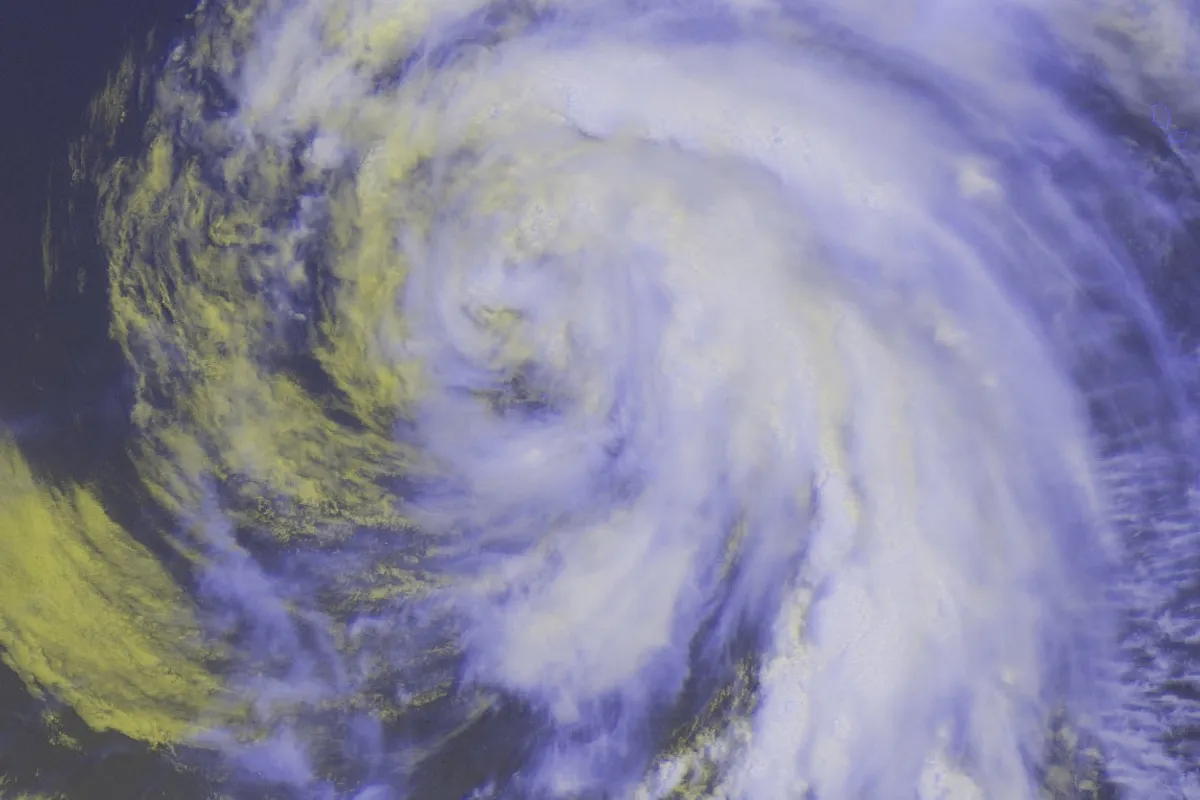
Hundreds of thousands of residents in southwestern Japan were ordered to evacuate on Friday, August 7, 2026, as Typhoon Delfin slowly approached the region. The storm has already caused massive disruptions to air travel, with more than 500 flights canceled, and strong winds and heavy rainfall threaten flooding and infrastructure damage.
The Japan Meteorological Agency (JMA) reported that the typhoon is a Category 1 storm, with maximum sustained winds reaching 144 kilometers per hour, while gusts were significantly stronger, up to 198 kilometers per hour. The system was moving toward the island chain between the southernmost main island of Kyushu and Okinawa Prefecture.
Local authorities have issued evacuation orders for nearly 260,000 residents in Kagoshima and Okinawa prefectures. In addition to human safety, the economy is also at risk. Automaker Toyota announced on Friday that it is temporarily suspending operations at nine of its plants due to the approaching typhoon.
The JMA specifically warned that Delfin could maintain its strength as it approaches Okinawa. They noted the danger of winds that could damage or topple buildings. Additionally, there is the possibility of a linear rain band developing-a narrow area of extremely intense rainfall and thunderstorms-which could lead to flash flooding.
The situation is further complicated by the fact that the large storm has also affected Kumamoto Prefecture on Kyushu Island, which is still recovering from a devastating magnitude 7.1 earthquake that struck the area last week. Approximately 6,700 residents of Kumamoto remain in evacuation centers after their homes collapsed in the quake.
The meteorological agency has also issued a heatstroke risk warning for the Kumamoto area, where temperatures are expected to reach up to 36 degrees Celsius. The combination of earthquake aftermath, the approaching typhoon, and extreme heat creates an extremely complex humanitarian situation for thousands of people.
Journalist James Reynolds, known for covering extreme weather events through his platform EarthUncutTV, posted footage showing the typhoon's eyewall hitting northern Okinawa, noting that the pressure in the storm's eye was 943.7 hPa.