Cuba Plunges into Darkness: Second Day Without Power, 10 Million People in Chaos
The island nation faces increasingly frequent collapses of its power grid, with residents describing unbearable living conditions without water or electricity.
The island nation faces increasingly frequent collapses of its power grid, with residents describing unbearable living conditions without water or electricity.
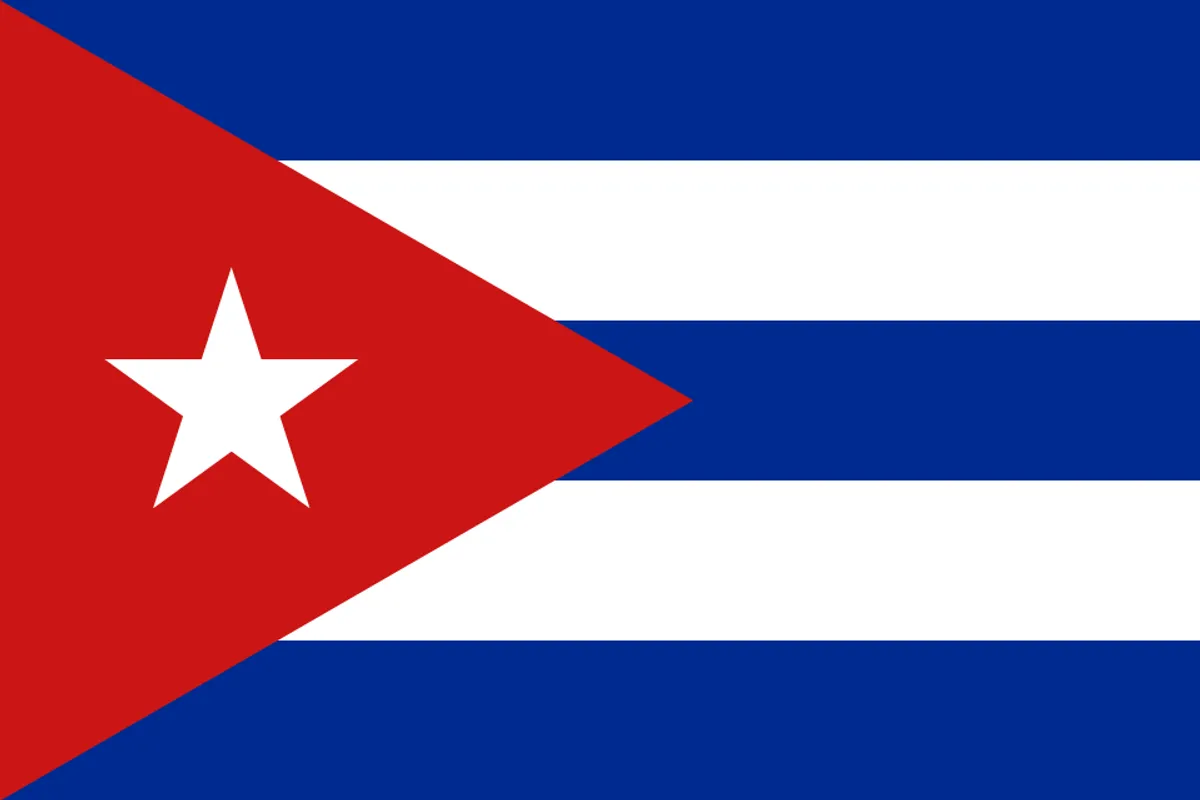
Cuba faced a complete blackout again on Monday, August 3, 2026, a day after the entire country was left in the dark. This marks the sixth national grid collapse since the start of the year, according to The Straits Times, while Brazil's G1 reports at least five. Authorities began gradually restoring power during the day, but adverse weather further complicated efforts.
The crisis escalated overnight from Sunday to Monday when a power outage hit the entire island. According to G1, around 10 million people were left in complete darkness. The state power company stated via Facebook that they are "in the process of re-establishing the National Electric System, but existing weather events have caused disruptions to the grid, directly affecting generating units that were online," without specifying the exact extent of the damage.
By noon on August 3, according to The Straits Times, power had been restored to approximately 50% of the capital, Havana, and to seven provinces in central and western Cuba. However, optimism was short-lived. The state company soon announced it was facing challenges in further restoration due to bad weather, leading to new disruptions.
This is a continuation of a months-long energy crisis that is paralyzing daily life on the island. Most Cubans now have electricity for only a few hours a day, if at all. Mayra Rodriguez, a 43-year-old accountant, described the dramatic situation to AFP: "Since Friday, I've had only an hour and a half of electricity. No water, nothing. What we Cubans are going through is not life." Due to the summer heat, she and her two young children sleep on the balcony of their apartment.
The cause of the collapse is multifaceted. The seven thermal power plants that form the backbone of Cuba's grid have been in operation for over four decades and frequently break down. The situation is further exacerbated by a chronic fuel shortage, as oil, diesel, and natural gas no longer arrive regularly at Cuban ports. The administration of U.S. President Donald Trump has tightened sanctions and warned countries they will face penalties if they deliver oil to Cuba.
The only exception was a Russian tanker that delivered 100,000 tons of crude oil in March 2026, but those reserves have since been depleted. Havana blames Washington for the dire state of the power system, while the U.S. claims the blackouts are a result of mismanagement of the economy.
Carlos Duenas, a 62-year-old mechanic, expressed exhaustion to AFP over the "unsustainable" situation. "No one says when things might improve. In the meantime, we just have to endure," he said, adding that not everyone can afford solar panels as an alternative. Frustrations among residents in the hardest-hit areas have culminated in burning piles of trash and noisy protests by banging on pots and pans.
The Cuban government has introduced a series of market reforms to boost the economy, but talks with Washington appear to have yielded no significant results. Meanwhile, the U.S. has indicted former President Raul Castro, brother of the late revolutionary leader Fidel Castro, for the downing of two civilian aircraft three decades ago, further straining relations.