Martić Fled Knin, Then Whined
While Croatian forces were finishing 'Operation Storm,' the Krajina president called for resistance as tens of thousands of Serbs abandoned their homes.
While Croatian forces were finishing 'Operation Storm,' the Krajina president called for resistance as tens of thousands of Serbs abandoned their homes.
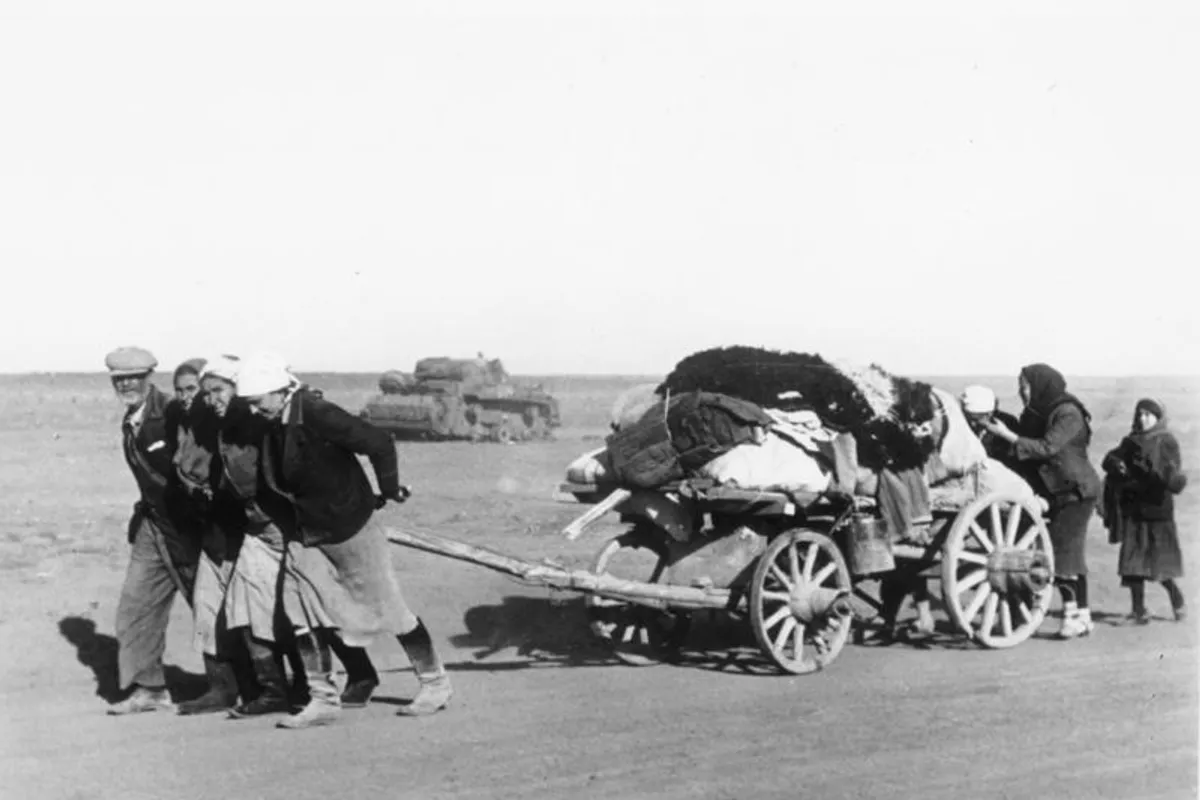
In August 1995, during the military-police operation 'Operation Storm,' nearly the entire Serb population left the areas that came under Croatian control. The exact number of people who left at that time remains a subject of various estimates, and an additional dimension to this historical moment is provided by the appeal that the then-leader of the rebel Serbs made via television.
Immediately after 'Operation Storm,' Croatian authorities estimated that just over 154,000 people had left the former rebel-held areas. On the other hand, the Croatian Helsinki Committee for Human Rights put the figure at approximately 200,000, or at least 180,000. There are also authors who, considering the emigration of 'several tens of thousands' of Serbs even before August 1995, believe that around 100,000 left their homes during the operation itself. These figures are presented in his book 'The Serb Rebellion in Croatia 1990-1995' by author Nikica Barić, who emphasizes that it is difficult to arrive at a precise number due to the lack of reliable data on the number of Serbs living in the area before the operation.
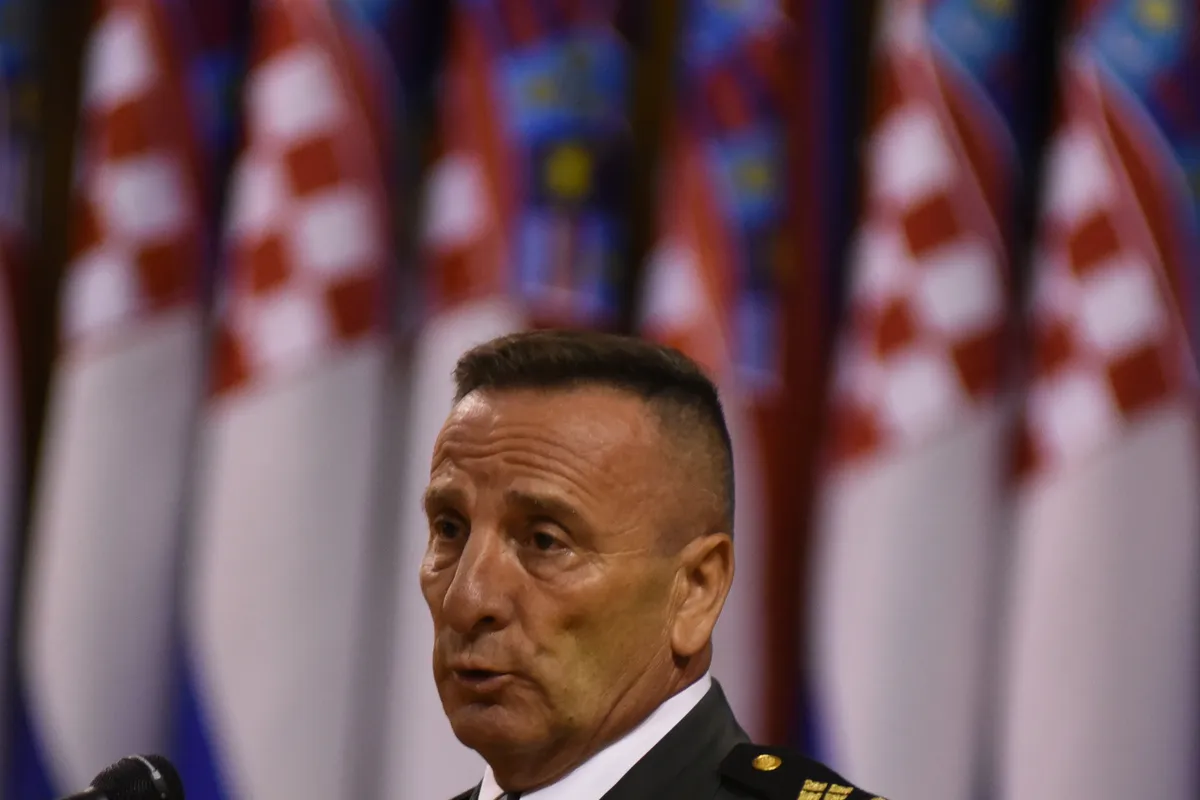
While Croatian forces were wrapping up the operation, Krajina president Milan Martić gave a statement to Republika Srpska TV. Although he was reportedly in Srb, it is possible that he had already withdrawn to the territory of Republika Srpska. In a visibly depressed state, Martić called for continued resistance. "Even in this difficult situation, if anyone is struggling, of course, it's hardest for me. I stayed, as you can see, here; I don't want to retreat," Martić said for Republika Srpska TV.
He then issued an appeal: "I take this opportunity to call on all patriots... everyone, from all Serb lands, including the diaspora, to return and defend the homeland, the Republic of Serbian Krajina." He insisted on his stance that he did not recognize what he called the occupation, asserting: "I do not recognize, nor will I ever recognize, the occupation, and as long as there is a single Krajina Serb alive, we must not recognize that occupation."
In the continuation of his address, Martić acknowledged the superiority of the Croatian army in artillery, but expressed confidence in victory due to 'heart' and 'motives' for the fight. "The Croatian army is not that powerful and strong... we can overcome even this hardship that has befallen us," he conveyed from the background, far from the front lines.
The Krajina Serbs who left their homes mostly went to Republika Srpska and the Federal Republic of Yugoslavia. Among them, according to Barić, there was strong disappointment and bitterness, directed both at Slobodan Milošević and at their own political and military leaders. Instead of a safe haven, many able-bodied refugees faced a new trauma. Serbian police caught them and sent them to eastern Slavonia, specifically to Erdut, a stronghold of Arkan's Serb Volunteer Guard.
There, Arkan's 'Tigers' abused them, accusing them of being 'Serb traitors.' One man who went through that mistreatment later shared his experience with N. Devetak, recalling a 1990 recording from Petrinja in which he and a group shouted 'This is Serbia.' "That footage played before my eyes a hundred times in Erdut while I told myself: 'There's your Serbia now, to hell with Serbia,'" that unnamed man recounted, summing up in that sentence all the bitterness and disappointment that many felt.