The dominance of touchscreens in car cabins is gradually waning. After Volkswagen recently announced the return of physical buttons, Mercedes-Benz has now confirmed the same shift. The company's CEO, Ola Källenius, admitted that the entire automotive industry went too far in removing traditional switches from vehicle interiors.
In an interview with Autocar, Källenius said that Mercedes' development team has taken owner criticism seriously and plans to bring back physical buttons for the most common actions in future models. User feedback was unequivocal: drivers appreciate the personalization offered by large screens but insist on having conventional switches for adjusting climate or volume, so they don't have to take their eyes off the road and navigate digital menus.
Harmony Instead of Exclusivity
The return of tactile controls does not mean the end of digital interfaces. Mercedes states that lavish displays, such as the MBUX Hyperscreen that spans the entire width of the dashboard, will remain because they offer a high level of customization and technological prestige. The ambition for future interior design is to create a harmony where functional physical switches complement digital technology.
The first concrete steps are already underway. The company has begun replacing the criticized touch surfaces on the steering wheel with classic scroll wheels for navigating menus. This aims to reduce driver distraction, which has become an important safety issue.
A Broader Industry Trend
Mercedes-Benz is not alone in this change of course. Ferrari, Audi, and Hyundai have recently made similar decisions, also reintroducing physical buttons after customers complained about the complexity of managing everything through touch surfaces. Adding momentum to this trend is the safety organization Euro NCAP. As reported by Bug.hr, under new safety assessment protocols, Euro NCAP now rewards vehicles that retain physical controls for key functions.
This shift comes at a time when the automotive industry is facing another technological challenge. Owners of older vehicles could lose important online features due to the shutdown of outdated mobile networks across Europe.
Older Cars Losing Connectivity
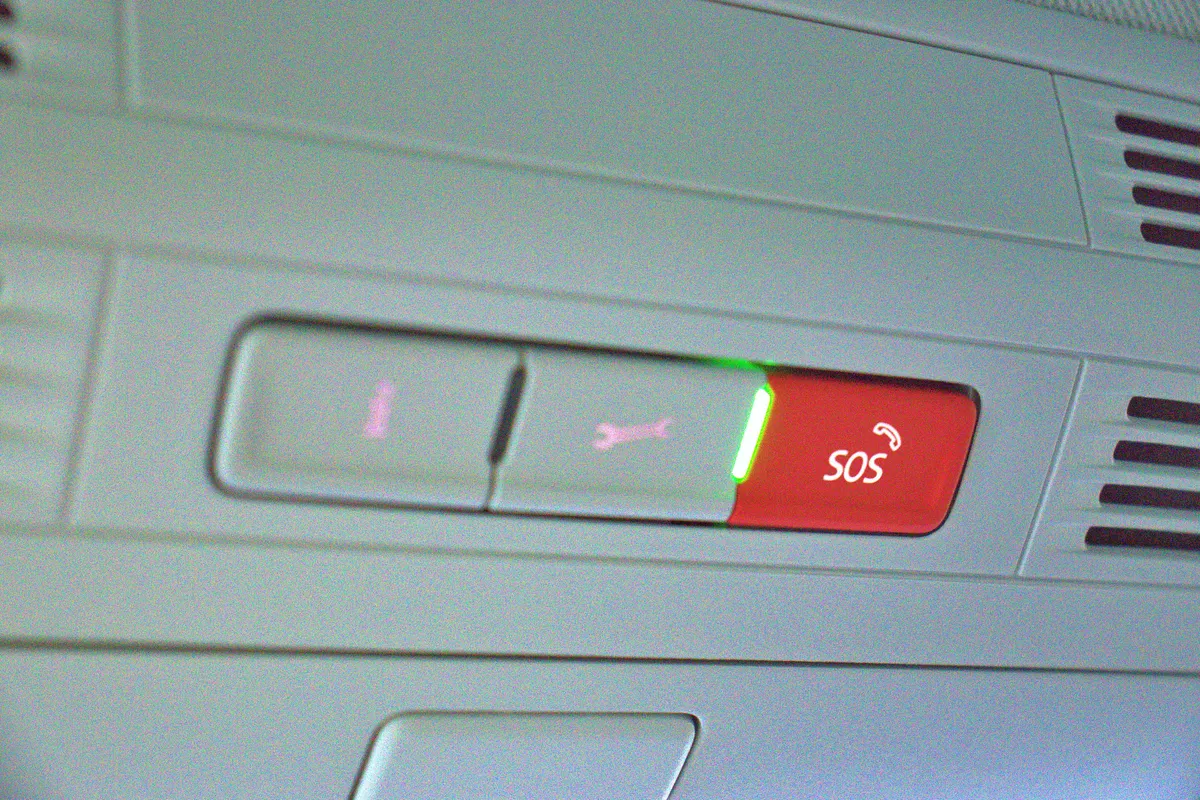
According to Klix.ba, Europe is rapidly phasing out old 2G and 3G mobile networks, which could leave cars produced between 2010 and 2021 without key services. The most critical is the eCall (SOS) system, which automatically dials 112 in the event of a serious accident and transmits the vehicle's precise GPS location to emergency services.
If a car uses an outdated communication module, this function will not work in countries that have already switched off old networks, such as Switzerland, Norway, and Sweden. Other European countries are expected to follow suit soon. Beyond the safety system, owners will no longer be able to remotely unlock the car, check fuel levels or battery charge, locate the vehicle, or pre-start the cabin heating or cooling.
The problem arose because many manufacturers, despite 4G LTE technology being available, continued to install cheaper 2G and 3G modules to cut production costs. An additional challenge is that the communication module in most vehicles cannot be easily replaced with a more modern 4G or 5G unit, and manufacturers generally do not offer such an upgrade.