Young People in Croatia Going Out to Nightclubs Less and Less
Professor Krolo and Editor Tomašević Analyze the Causes for Hina: High Prices, a Sense of Insecurity, Lower Alcohol Consumption, and Digital Platforms Are Changing Young People's Habits.
Professor Krolo and Editor Tomašević Analyze the Causes for Hina: High Prices, a Sense of Insecurity, Lower Alcohol Consumption, and Digital Platforms Are Changing Young People's Habits.
The trend of young people going out to nightclubs in Croatia is seeing a significant decline, with experts citing financial inaccessibility, a growing sense of insecurity, and changing lifestyle habits that include less alcohol and more health consciousness as the main reasons. According to Tportal, European research confirms that the club scene took a heavy hit during and after the pandemic, but that's not the only culprit for the current situation.
Professor Krešimir Krolo from the Faculty of Humanities and Social Sciences at the University of Zadar explained to Hina that club outings have simply become too expensive for young people. "Club outings have on average become too pricey, at least for the kids of parents for whom clubbing was financially acceptable, but also when it represented a cultural novelty," Krolo pointed out. He also highlights a growing sense of insecurity at such venues as a second key reason.
In his commentary, he specifically emphasized women's experiences. "Here, I would particularly highlight the experience of women in clubs, which ranges from verbal harassment and invasion of personal space to the fear of having intoxicating substances slipped into their drinks," Krolo told Hina. Additionally, he notes the impact of digital platforms on social rituals and the loss of anonymity with the advent of smartphones.
A significant factor is also the shift in lifestyle among younger generations, who place greater emphasis on healthy living. "In some countries, there is a clear correlation between a noticeable decline in the intensity and amount of alcohol consumption among young people and a reduced interest in the club scene," Krolo added.
Goran Tomašević, editor-in-chief and founder of the portal Klubskascena.hr, who has been following the scene for the past two decades, agrees with this assessment. He confirms that young people, during and after COVID, have changed their entertainment habits, turning to private parties and a healthier lifestyle without excessive alcohol. However, he notes that it cannot be generalized that young people don't go to clubs at all. "If you have a better DJ guest appearance, then those who love clubbing have to pay the club's entrance fee. Such a name won't come to a private party or a café selling croissants," Tomašević said.
Tomašević also mentioned attempts to organize morning and daytime parties in Zagreb and Split, but points out that it's easy to fill a café with a capacity of 50 people, which can't be called real clubbing but merely a trend. On the other hand, Professor Krolo notes that the alternative and electronic club scene retains its appeal through more intimate parties known as "soft clubbing."
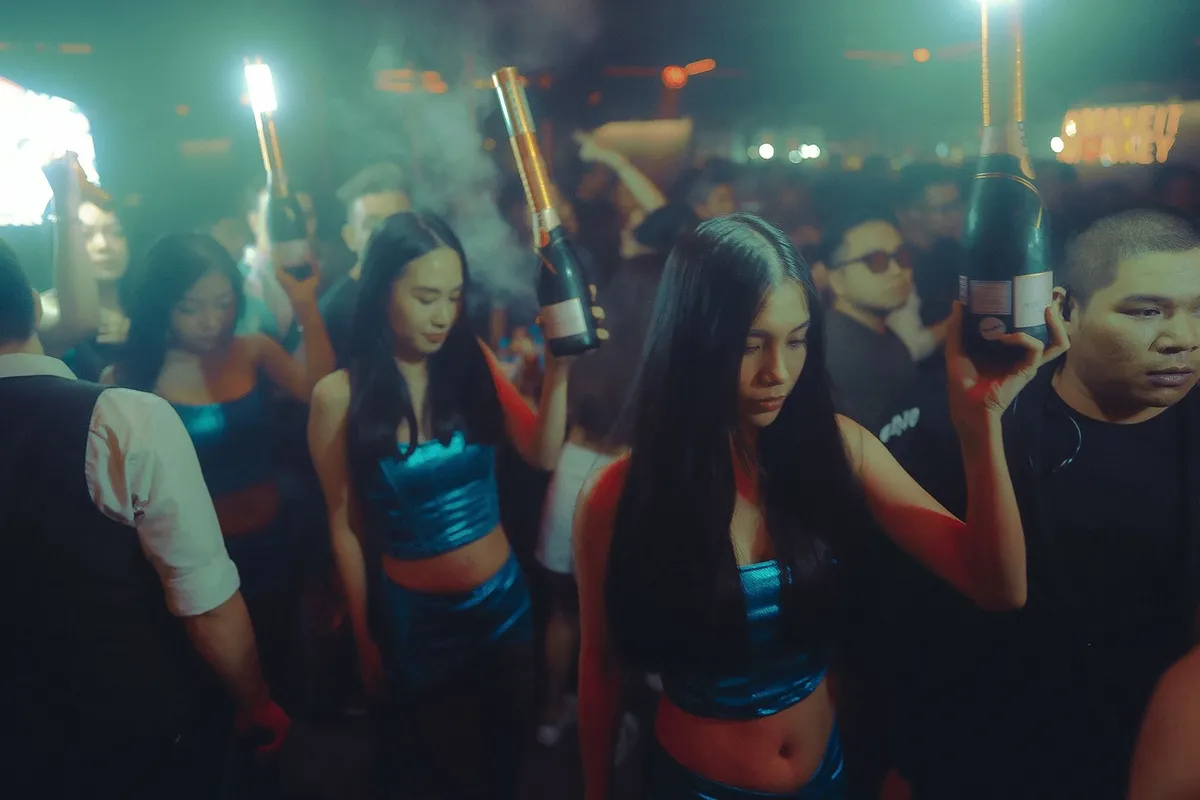
"That's largely what's called 'soft clubbing.' In such places, there are fewer financial or security issues due to the tightly intertwined network of visitors, but also because of an internalized sensitivity to the problems that arise from this type of entertainment," Krolo emphasized. The dominant club scene is still tied to hyper-hedonistic turbo-folk clubs. "These are economically more affluent young people, or at least those with such aspirations. Alcohol consumption happens in large groups, in VIP booths where drinks worth an average monthly salary are ordered in a single night," Krolo asserted, adding that the crisis is most visible in the demise of the "middle-class" club scene, while "hyper-hedonistic folk clubs have gone to one extreme, and soft clubbing to another."
Despite the changes, clubs in Croatia still fare very well when it comes to electronic music, Tomašević assesses. "They remain the backbone of the clubbing scene and a very important mechanism that keeps a whole range of creatives from cultural and creative industries active throughout the year, from performers (DJs, live acts, bands) to sound engineers, lighting technicians, photographers, PRs, VJs, graphic designers, videographers, etc. This entire ecosystem with over 15 different professions wouldn't exist without clubs," Tomašević told Tportal.
Zagreb has its strongest scene outside the summer months. "Zagreb's scene is strongest during autumn, winter, and spring, when clubs can gather 1,500 to 2,000 people, depending on who's performing. In summer, everything moves to the coast, where smaller towns, and even Split, count barely 100-150 people who go to parties," Tomašević explained.
One symbol of the crisis is Zagreb's Club Gallery on Jarun, which has been looking for a new owner for a long time because it's not making a profit. Tomašević believes that Jarun currently attracts more visitors to open-air concerts and festivals, and the club is also hurt by new traffic regulations and a lack of parking. Similar problems affect world metropolises; according to Tportal, the famous Berlin clubs Berghain and Watergate have closed their doors in the last four years.