Can Bison Save Spain from Wildfires?
As the climate crisis intensifies, Spain is turning to innovative solutions, and a pioneering project is exploring whether European bison can become natural firefighters.
As the climate crisis intensifies, Spain is turning to innovative solutions, and a pioneering project is exploring whether European bison can become natural firefighters.
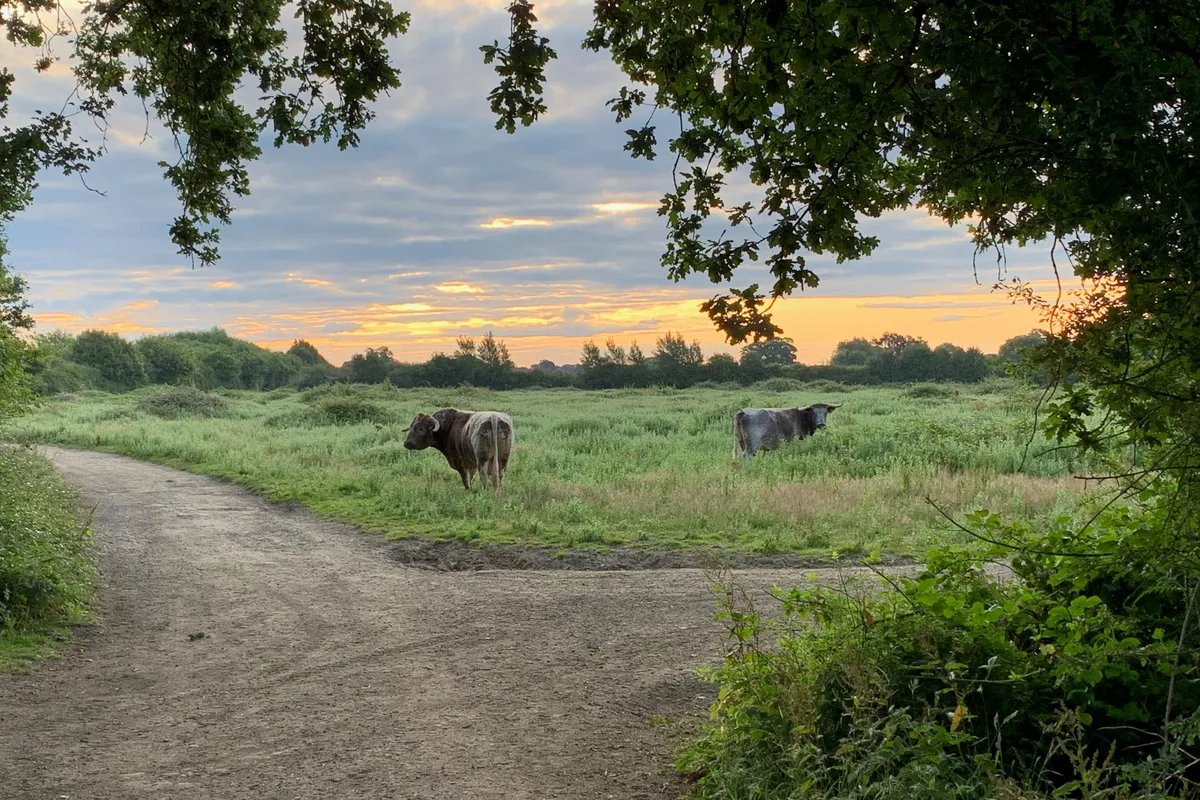
As Spain faces one of the worst wildfire crises in its history, scientists and environmental managers are turning to an unlikely ally: the European bison. According to a hypothesis currently being tested, this largest wild land animal on the continent could help reduce flammable material in forests, thereby slowing the spread of fire.
The idea is simple: if there is less dry vegetation, underbrush, and branches in the forest, fires are harder to spread. This is where the bison comes in. "One of the animal's characteristics is that it eats wood, scrub, bushes, tree vegetation, leaves, and branches, all of which are flammable material... If no one eats or removes it, it can burn," Fernando Morán, a veterinarian and founder of the European Bison Reserve and Interpretation Center, established in 2008, explained to Euronews. He adds that what the animal doesn't eat, it breaks, either by trampling or head-butting. For this reason, Morán calls it a "natural firefighter" or "a wild firefighter appointed by nature."
To test this theory in practice, the organization Rewilding Spain launched a pioneering research project in January 2026 in El Recuenco, in the province of Guadalajara. In a fenced area of 400 hectares of Mediterranean forest, nine European bison live. Scientists from the University of the Basque Country, the University of Manchester, and the Danish research center Econovo are monitoring how the animals adapt to the Iberian ecosystem and their impact on woody vegetation.
The animals are equipped with GPS devices, and researchers are analyzing their diet, stress levels, and the changes they cause in vegetation structure. The goal is to generate new data on the role of this species in ecosystem restoration and the creation of "forests more resilient to fires and other impacts of climate change," Rewilding Spain stated when announcing the project.
The reintroduction of the European bison is part of a broader "rewilding" strategy spreading across Europe with a dual goal: restoring degraded ecosystems and strengthening their resilience to climate change. Lidia Valverde, communications manager at Rewilding Spain, summarized this philosophy for El Salto: "Rewilding is a new approach, complementary to the classic idea of conservation. It is based on the idea that it is not enough to preserve the nature we still have; we must also restore parts that have been lost from ecosystems so that nature can return to balance."
One of the most advanced examples is the Wilder Blean project in the United Kingdom, which combines ecological management with ecotourism and job creation. Germany maintains one of the few free-roaming bison populations in Western Europe, while Poland, the cradle of the species' recovery after its extinction in the wild in the 20th century, is working to increase the genetic diversity of its herds.
The idea of using animals to reduce fuel material is not unique to Spain. An article published on the World Economic Forum's website, based on a study by researchers at the Australian National University, highlights that mammals, birds, and even insects can become allies against wildfires by consuming the parts of trees and shrubs that burn most easily. As an example, it cites the case of a herd of 500 goats that helped protect the Ronald Reagan Presidential Library in the U.S. by clearing flammable vegetation around the complex.
Despite the promising hypothesis, scientists warn that it is too early to draw definitive conclusions. The Rewilding Spain study aims to assess both the positive effects and potential negative impacts on the territory, including the possibility of bison coexisting with traditional forest uses such as logging, hunting, or mushroom picking.
A particular challenge is the limited genetic base of the species. As the European Bison Reserve and Interpretation Center points out, all current bison descend from only 12 founder individuals, which requires careful management of breeding programs to ensure the species' sustainability. Breeding programs are also carried out at Cabárceno Nature Park in Cantabria, which is home to some of the rare specimens of this animal on the Iberian Peninsula.
Researchers insist that bison would in no way replace traditional forest management methods, but they could become an additional tool in the fight against the increasingly extreme fires threatening Spain and the rest of Europe.