On This Day: The Military-Police Operation Began at Exactly 5 AM
31 years ago, Croatian forces launched an operation that liberated 10,400 square kilometers of occupied territory and crushed the rebellion in Knin.
31 years ago, Croatian forces launched an operation that liberated 10,400 square kilometers of occupied territory and crushed the rebellion in Knin.
On this day, August 4, 1995, at exactly 5 AM, the military-police operation "Storm" began. The general offensive was launched along a 630-kilometer front, stretching through northern Dalmatia, Lika, Kordun, and Banovina. Simultaneously, heavy artillery and rocket fire was opened on the positions of the Serbian Army of Krajina, and the lack of a significant response along much of the front signaled a swift resolution.
The operation, which lasted until August 7, resulted in the liberation of 10,400 square kilometers of the Republic of Croatia's territory. According to data from Bjelovar.live, Croatian forces numbered 130,000 troops for the attack, with an additional 60,000 engaged in defensive operations. They had at their disposal 350 tanks, 18 helicopters, and 38 aircraft.
The offensive operations were led by commanders of six zones of responsibility. The Zagreb Zone was commanded by Major General Ivan Basarac, the Bjelovar Zone by Major General Luka Džanko, the Karlovac Zone by Lieutenant General Miljenko Crnjac, the Gospić Zone by Major General Mirko Norac, and the Split Zone by Lieutenant General Ante Gotovina. Defensive forces in the Osijek Zone were led by Lieutenant General Đuro Dečak, while the Southern Front was commanded by Major General Živko Budimir.
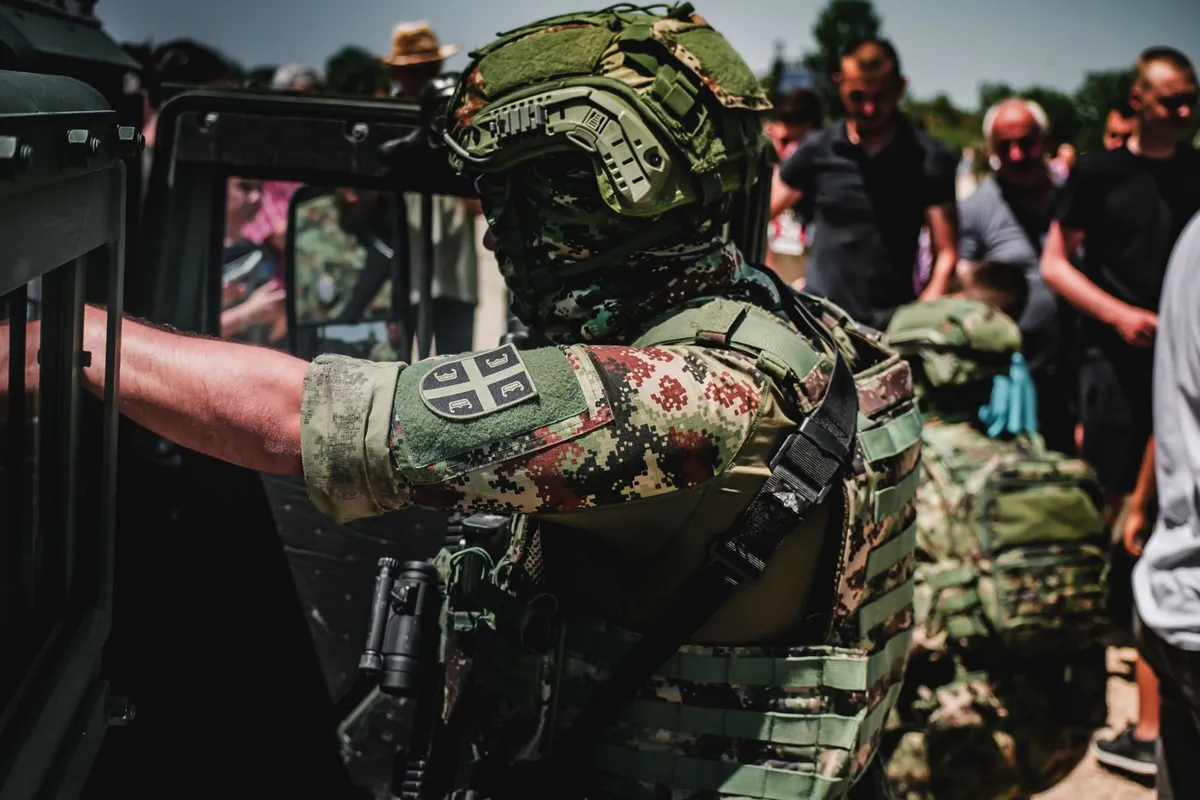
The opposing forces, organized into four corps, had about 40,000 soldiers, 400 tanks, 200 armored personnel carriers, 550 artillery pieces, 25 aircraft, 13 helicopters, and 320 anti-aircraft guns. Despite this, on the very first day, Croatian units penetrated 5 to 15 kilometers deep at as many as 30 different locations, and this was achieved by midday.
As enemy resistance intensified in Banovina, Kordun, and northern Lika, President Franjo Tuđman reacted quickly. He appointed General Petar Stipetić as commander of that part of the front, who reorganized the forces. The result was evident the very next day, August 5, when Petrinja was liberated.
At the same time, state radio broadcast President Tuđman's appeal to Serbs every 15 minutes, urging them not to leave their homes and to remain in Croatia. However, Milan Martić, the president of the self-styled Republic of Serbian Krajina, issued an order for the evacuation of the entire population towards Bosnia and Herzegovina. Serbian propaganda further fueled fear with claims that 1941 was repeating itself. Following President Tuđman's orders, the Croatian Army left an open corridor for civilians towards BiH.
Croatian units continued their comprehensive operations. Benkovac and Kistanje were liberated. Members of the 132nd Home Guard Regiment and the 112th Zadar Brigade of the Croatian Army were the first to enter Benkovac. The Home Guards broke through along the Stankovci, Pristeg, Cviljane, Gornji Šopot route, while the Zadar Brigade simultaneously advanced along the Smilčići, Škabrnja direction. The town was surrounded and taken without resistance within the town itself.
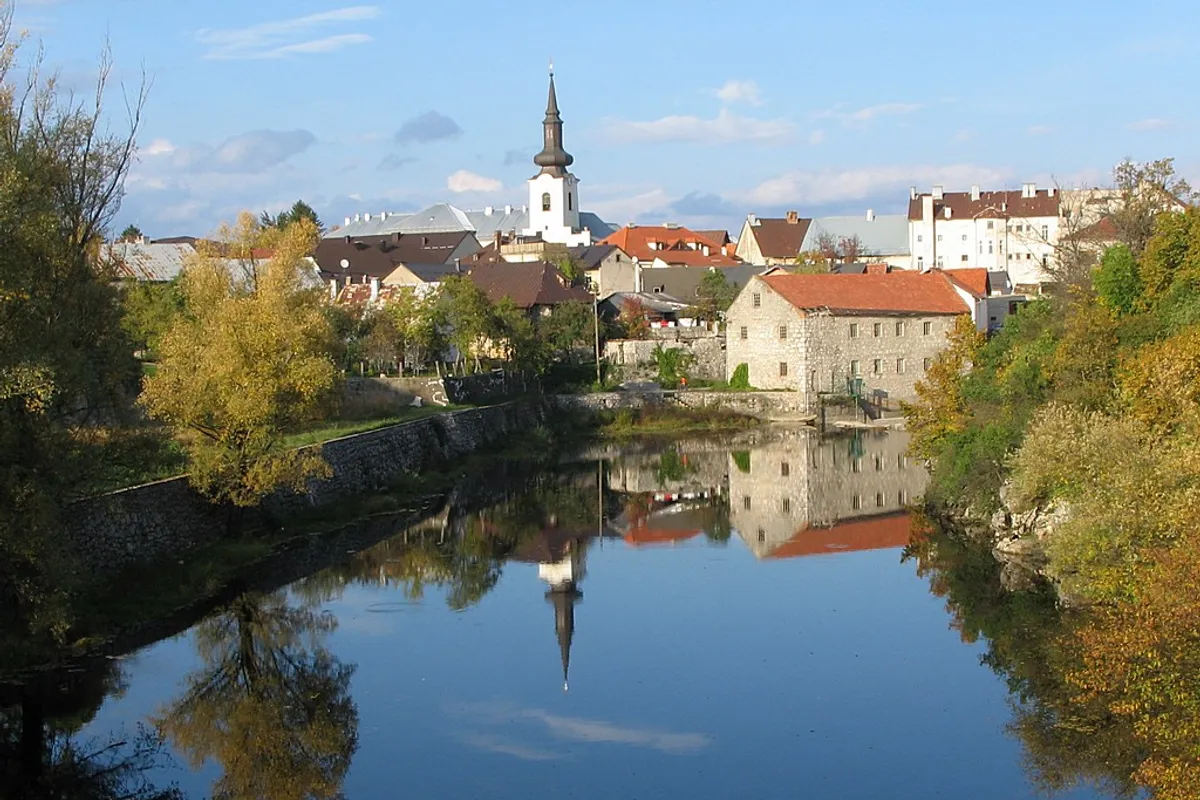
The culmination of the operation came with the entry of the "Pauci" and "Pume" units into Knin, where the Croatian flag was raised on the fortress. The liberation of Knin, the center of the enemy rebellion, achieved the key strategic, political, and military goal not only of Operation Storm but of the entire Homeland War. A few days later, the 21st Kordun Corps was forced to sign a surrender on the northern part of the front.
Total Croatian military casualties in the operation were 174 killed, 1,100 wounded (of which 572 seriously and 528 lightly), three captured, and 15 missing soldiers. Operation "Storm" is still studied at American military schools as an example of a perfectly executed military action, thereby permanently sealing the Greater Serbian plan in the territory of the Republic of Croatia.