Coastal Cities Are Sinking Faster Than the Sea Is Rising
New research reveals that land subsidence in densely populated coastal areas nearly triples the effect of sea-level rise, and human activity is often the main culprit.
New research reveals that land subsidence in densely populated coastal areas nearly triples the effect of sea-level rise, and human activity is often the main culprit.
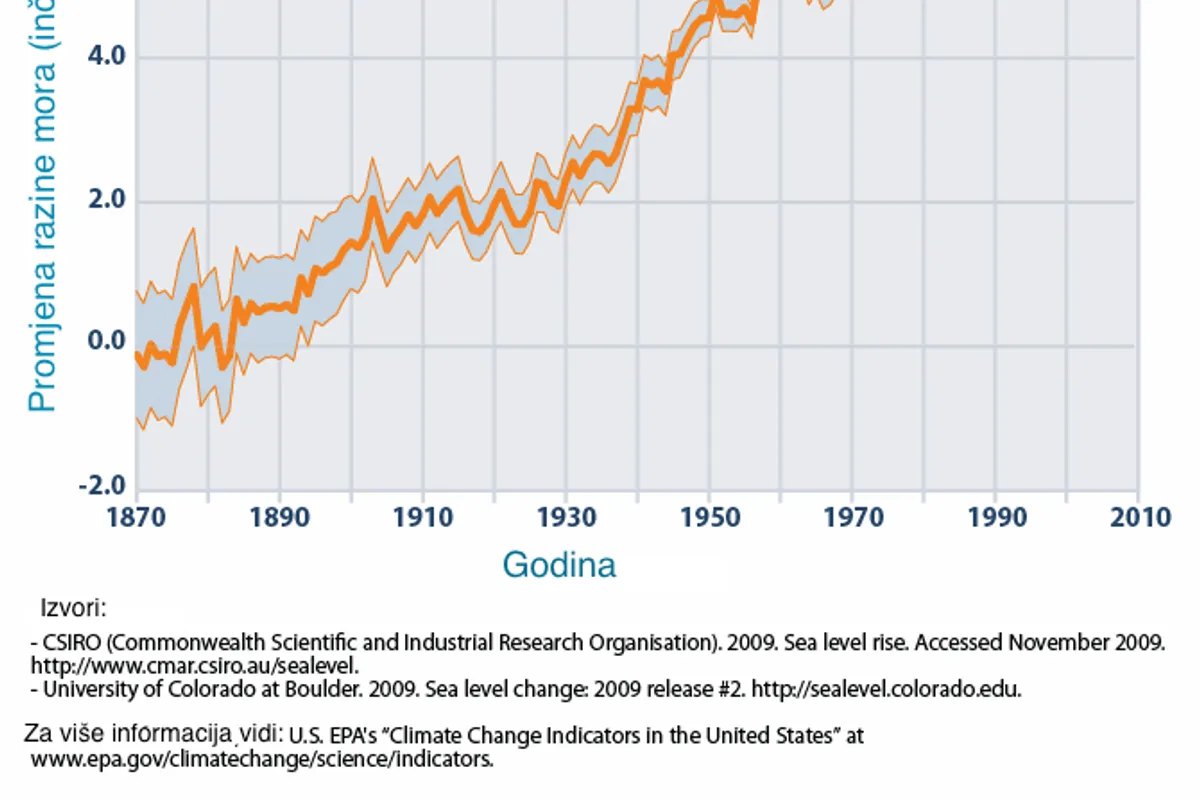
Residents of densely populated coastal regions worldwide face a double threat: as the ocean rises, the land beneath them is simultaneously sinking. New research from the Technical University of Munich (TUM) and Tulane University, published on August 3, 2026, in the journal Nature Communications, shows that the relative sea-level rise experienced by millions of people is nearly three times the global coastal average.
The scientists calculated that people in these areas experience an average relative sea-level rise of 6 millimeters per year. For comparison, the global coast-weighted average sea-level rise is 2.1 millimeters per year, while the absolute rise caused by climate change is about 3.15 millimeters per year. More than half a billion people live in low-lying coastal zones, putting them on the front lines of one of the most serious challenges of climate change.
The main reason for this discrepancy is land subsidence, the gradual sinking of the terrain beneath coastal cities and communities. The causes are often intertwined and include intensive groundwater pumping, oil and gas extraction, compaction of young sediments in river deltas, and the sheer weight of growing urban areas. Natural processes such as tectonic movements also play a role.
"If we want to understand sea-level rise along coastlines and respond effectively, we must look not only at the ocean but also at the land. Especially in densely populated coastal regions, human activities are causing stronger land subsidence-often due to excessive pumping of water and resources that previously stabilized the subsurface. The sheer weight of cities, combined with long-term geological processes, can further amplify this subsidence. In this way, we are significantly enhancing the effects of climate-driven sea-level rise," said Dr. Julius Oelsmann, lead author of the study and researcher at the German Geodetic Research Institute at TUM (DGFI-TUM).
The study identified several major coastal cities as hotspots of subsidence. At the top of the list is Jakarta with an average subsidence rate of 13.7 mm/year, with some parts of the city sinking up to 42 millimeters per year. Next are Tianjin (13.5 mm/year), Bangkok (8.5 mm/year), Lagos (6.7 mm/year), and Alexandria (4 mm/year).
At the country level, the highest population-weighted coastal averages of relative sea-level rise were recorded in Thailand, Bangladesh, Nigeria, Egypt, China, and Indonesia, ranging from 7 to 10 millimeters per year. Elevated rates, between 4 and 5 millimeters per year, are also observed in the United States, the Netherlands, and Italy.
Although some causes of land subsidence are natural, researchers emphasize that groundwater pumping is a key factor that can be directly influenced by policy decisions. Past examples show that regulation can dramatically reduce the problem.
"In many major coastal cities, groundwater pumping is the main driver of land subsidence. This means that local policy and water management decisions can make a significant difference. Improved groundwater management, stricter pumping regulations, or targeted aquifer recharge can at least slow subsidence rates, and in some cases, largely halt them," said Florian Seitz, Professor of Geodetic Geodynamics and Director of DGFI-TUM.
Tokyo was once sinking at a rate exceeding 10 centimeters per year, and at the most vulnerable locations up to 24 centimeters per year. Government measures and the development of alternative water sources significantly reduced these rates. A similar success was achieved in the Harris-Galveston region in Texas, where, due to excessive groundwater pumping, the Harris-Galveston Subsidence District was established in 1975 to regulate water use and promote conservation.
Interestingly, not all coastlines are under threat. In parts of Sweden and Finland, geological uplift of the land following the last ice age is occurring faster than sea-level rise, resulting in a relative fall in sea level.