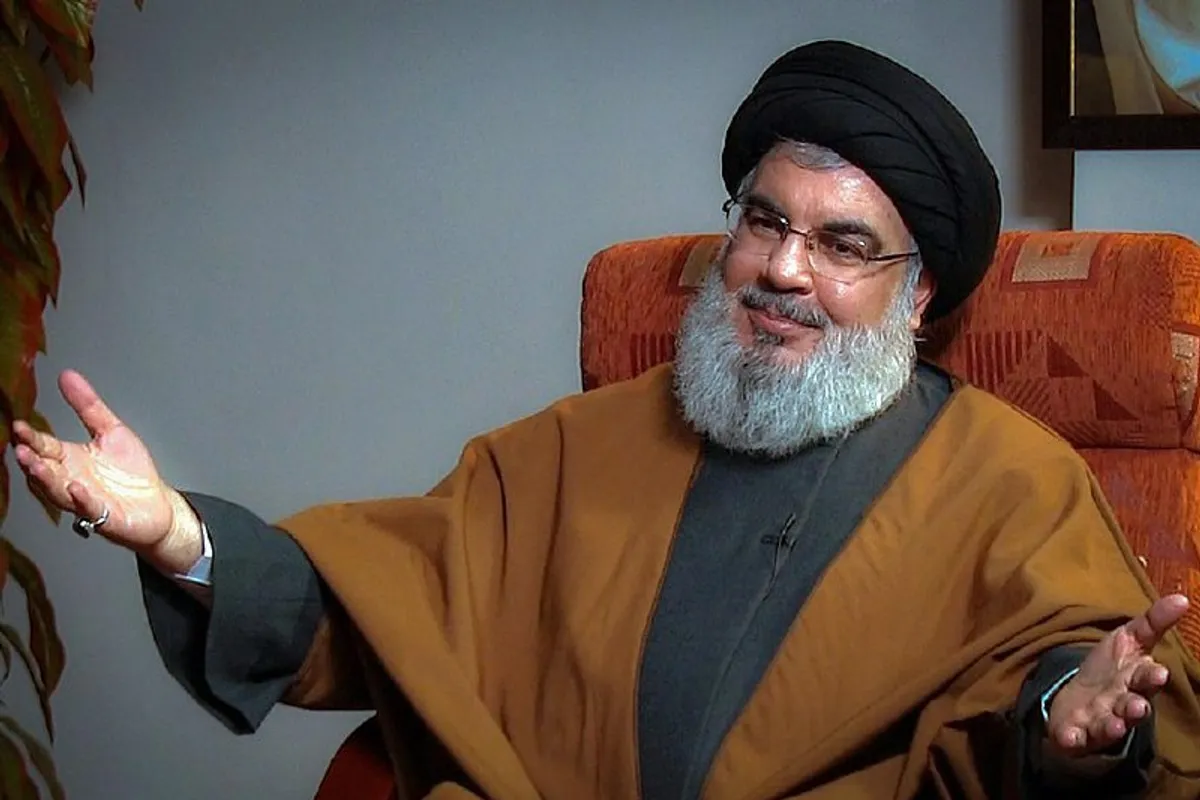
In September 2024, Hezbollah was in complete disarray. Eighty Israeli bombs leveled its headquarters, and among the dead were its top military commanders, including long-time leader Hassan Nasrallah. The Israelis located and eliminated him even twenty meters underground. It was the culmination of a brutal intelligence breakthrough that brought the Lebanese Shiite movement to the brink of the abyss. Yet, it was precisely from this chaos that surviving commanders, having discarded phones and communicating in whispers, forged a plan for a comeback that no one expected.
A Fateful Decision and Security Collapse
Within Hezbollah today, there is a general acceptance that the decision to attack Israel in October 2023 was a historic mistake. Nasrallah made that decision alone, and it met with resistance in the Shura Council. While he ordered a limited intervention by opening a support front, key advisors like Ibrahim Aqil, commander of the elite Radwan unit, believed that they should either strike with full force or do nothing at all. The compromise proved fatal, with Lebanese losses overshadowing Israeli ones by a ratio of two thousand to seventy dead.
It was only in mid-September 2024 that the scale of the security failure became apparent, when Israel triggered explosions in thousands of pagers and hundreds of walkie-talkies. The main targets were the walkie-talkies, which contained a larger amount of explosives and were intended for fighters on the ground. Fifteen thousand of these devices were in a warehouse and were switched off at the moment Israel launched the second part of the operation. Only a few hundred exploded the next day, but the plan was far more devastating. Hezbollah's inspection team had persistently suspected the pagers and decided to send samples to Iran for testing, which forced Mossad to pull the trigger earlier and prevent a catastrophe of enormous proportions.
Internal Transformation and a New Model of Warfare
Israel then waged a brutal air and ground campaign for 66 days. Nasrallah, his cousin and presumed successor Hashem Safieddine, and nearly the entire military leadership lost their lives. While isolated units in the south delayed the advance, Iran intervened to help its ally. Iranian counterparts of the eliminated commanders came to Lebanon to fill the vacuum, including Esmail Qaani, the successor to Qassem Soleimani of Iran's Revolutionary Guard.
Despite the devastation and estimates that military strength had fallen to 20 percent of its former capability, Hezbollah was undergoing a massive internal transformation. The military wing, which had become too bloated and slow, was broken up into fully independent units modeled on the guerrilla warfare of Imad Mughniyeh. Each unit received a manual with pre-designed plans, and a new key directive was that fighters did not have to fight to the last bullet but could leave the territory if necessary.
This model was tested in March 2026 when Hezbollah, convinced that Israel would attack Lebanon again, decided to strike preemptively. When Israeli troops entered territory south of the Litani River, they occupied around 300 positions, but nowhere were they safe. Hezbollah introduced a new method of constant harassment using FPV drones controlled via fiber-optic cables.
Gamers as the Backbone of the Drone Fleet
The role of pilots was taken over by young Lebanese gamers, whom war veterans thought were becoming soft while spending hours on shooters in the smoke-filled cafes of southern Beirut. These drones are now a major part of the drone fleet that poses the greatest threat to Israeli Merkava tanks. Technology is key to rebuilding, and the necessary materials were already available. During the 2024 conflict, Hezbollah used the Almas-1 missile with an eight-to-ten-kilometer fiber-optic cable for the first time, converting large quantities of cable for less detectable FPV aircraft.
The Cost of Regeneration and the Future
The cost of this regeneration is enormous for the Shiite community. Approximately 600,000 people have been left homeless, and many settlements are completely destroyed. The relationship between Hezbollah and the local population is weakening because the organization is no longer able to provide the same level of care and reconstruction as before. However, Israeli targeting of Shiites and the hostility of some Sunni and Christian citizens are driving Shiites back toward the movement.
In August 2026, Hezbollah is militarily significantly weakened, with estimates of four to ten thousand dead in the last two wars, but its shift toward a more mobile guerrilla force has proven successful. Slogans about liberating Jerusalem have been replaced with those about protecting Lebanon. Leader Naim Qassem, although lacking charisma, has proven to be a resilient leader who has carried out a major reorganization. Although a ceasefire was reached on April 16, 2026, and negotiations are underway in Washington, no one believes that life in southern Lebanon will return to normal anytime soon.
Global Implications and Energy Security
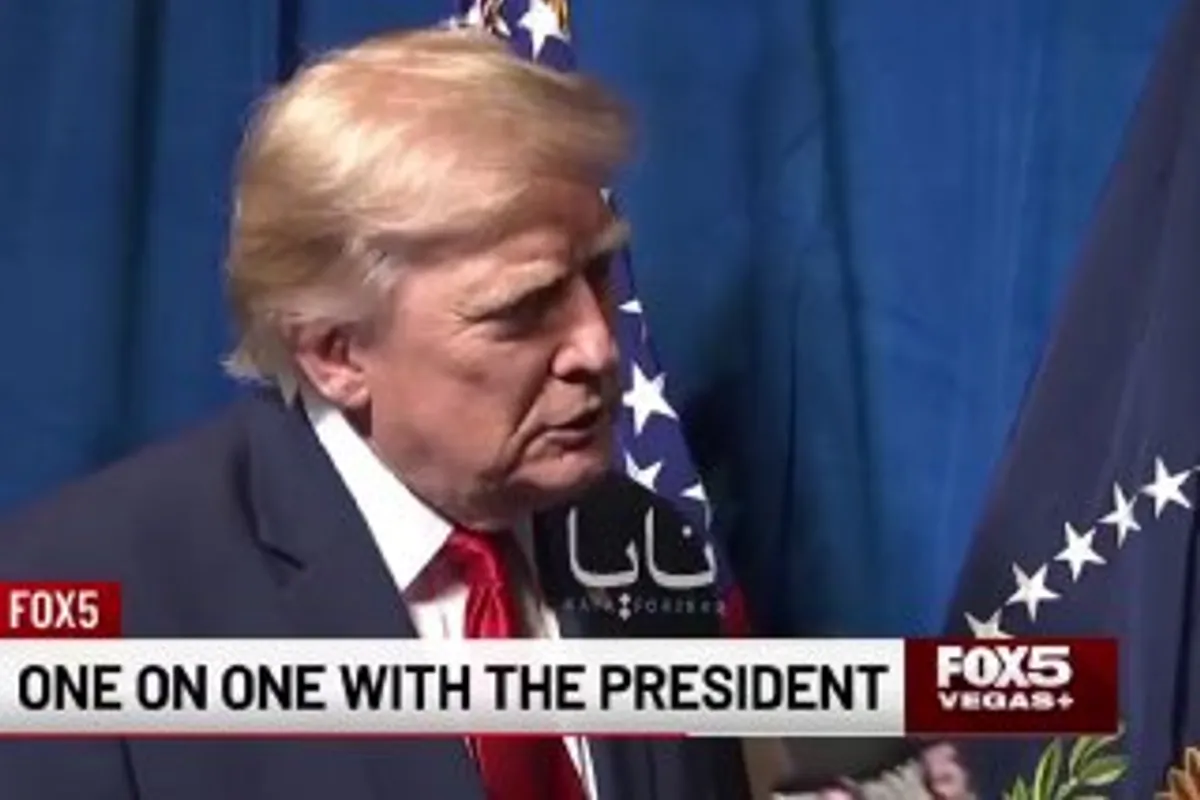
Although there is no direct connection to Croatia, regional instability in the Middle East directly affects Europe's energy security. Threats to maritime traffic in the Strait of Hormuz, which Iran uses to support the ceasefire, can cause disruptions in energy supplies and further raise oil and gas prices on the global market. A frustrated former U.S. President Donald Trump even called the Lebanese ambassador to Washington at one point and demanded a direct phone line to Hezbollah, which says enough about the influence this movement still holds at the center of all regional negotiations.