OPEC+ Reaches Preliminary Agreement to Increase Oil Production for September
Seven members led by Saudi Arabia and Russia will raise quotas by 188,000 barrels per day, followed by a pause in the fourth quarter.
Seven members led by Saudi Arabia and Russia will raise quotas by 188,000 barrels per day, followed by a pause in the fourth quarter.
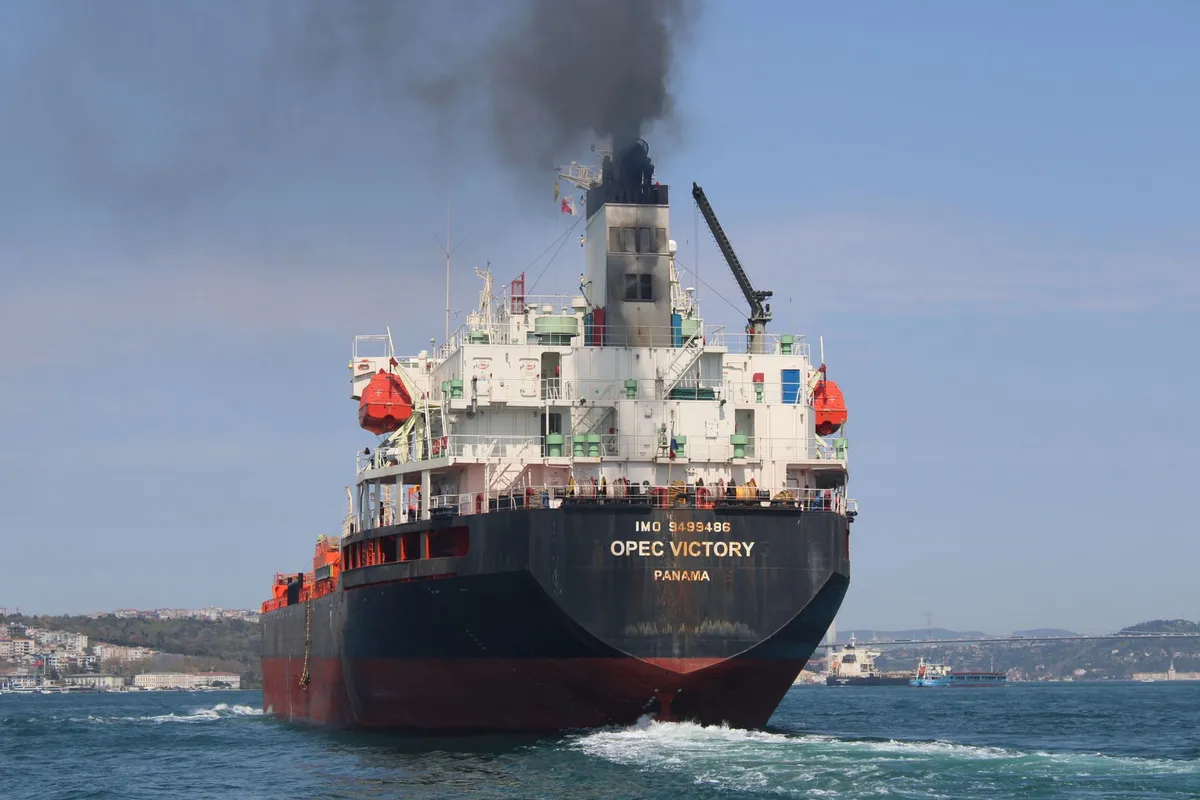
The Organization of the Petroleum Exporting Countries and its allies (OPEC+) have reached a preliminary agreement to increase production quotas for September 2026, according to Reuters, citing a source familiar with the negotiations. The decision was made during a video conference held on August 2 and involves raising production targets by an additional 188,000 barrels per day.
According to The Straits Times, citing two delegates, the seven members led by Saudi Arabia and Russia are likely to agree to this increase. This symbolic step completes the theoretical recovery of supply halted back in 2023, while also opening the door for additional volumes once the war in the Middle East concludes.
Although the increase is largely symbolic for now, it could give Saudi Arabia room to maneuver for a real production boost once oil flows from the Persian Gulf normalize. This would help replenish depleted global inventories. Reuters notes that the September increase will be followed by a pause in the fourth quarter of 2026.
Supply pressures caused by the conflict are driving up prices for fuels like gasoline and diesel, fueling fears of a new wave of inflation. U.S. President Donald Trump stated this weekend that the U.S. would halt new strikes on Iran after the Islamic Republic and other Middle Eastern nations signaled they are working toward a deal.
A potential increase in supply from OPEC+ could reignite the temporary surplus that emerged during the U.S.-Iran ceasefire in July 2026. Some analysts predict a return of that supply glut later in the year. Adding to the uncertainty is the United Arab Emirates' exit from the organization in May 2026, following years of dissatisfaction with the constraints imposed by OPEC. This move has fueled speculation that the group could one day find itself fighting for market share.
While this news has no direct link to Croatia, OPEC+ decisions directly impact global energy prices, and consequently inflation and the cost of living for Croatian citizens, as well as the operations of domestic companies.