Indictment for 107 Killed Civilians in Gjakova: Milan Radoičić Among 20 Suspects
Kosovo's Special Prosecution has filed an indictment for war crimes against civilians committed during 1998 and 1999, seeking a trial in absentia.
Kosovo's Special Prosecution has filed an indictment for war crimes against civilians committed during 1998 and 1999, seeking a trial in absentia.
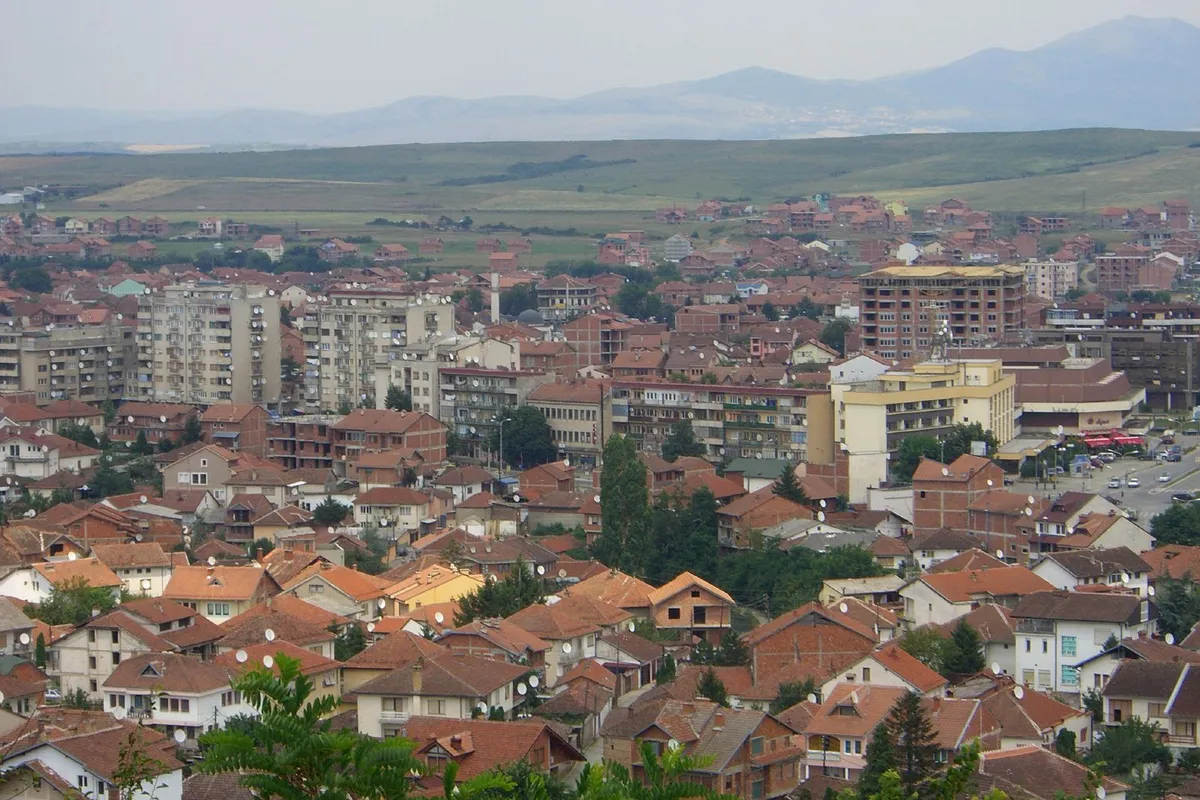
Kosovo's Special Prosecution has filed an indictment against 20 individuals for war crimes committed in Gjakova, with former Serbian List vice-president Milan Radoičić among the suspects, Radio Free Europe (RFE) reported on Thursday, August 6, 2026.
The accused are charged with involvement in the killing of 107 civilians during a widespread military and police operation in 1998 and 1999. Due to the nature of the case, the Prosecution has requested that the trial be held in absentia.
In the Prosecution's statement, the accused are identified by initials. Among them, M.K., who was the head of the Interior Affairs Secretariat in Gjakova at the time, R.Č., commander of Special Police units, and M.D., commander of the 52nd Rocket Artillery Brigade, stand out. Alongside them and Milan Radoičić, the list includes P.R., S.K., L.O., Ž.S., S.S., L.D., Z.R., D.G., Č.B., V.B., R.B., R.R., L.R., M.Š., M.R., S.G., and T.A.
The Prosecution charges them with, "as members of the aforementioned units, participating in the killing of 107 civilians during a widespread military and police operation," RFE reports.
Beyond the cold facts, the Prosecution provided a harrowing account of the events. "During this operation, the accused first separated women and children from men. The women were robbed, their gold jewelry, money, and other valuables were taken, while the men were executed, some in their homes and yards, and others at a location known as 'Talić Bridge.' Houses were also burned," the Special Prosecution's statement reads.
The filing of this indictment represents a significant legal step in prosecuting war crimes in Kosovo and could have strong political implications for already tense relations in the region. Although there is no direct connection to Croatia, the event affects the overall security and political dynamics in the Western Balkans.