Hellish Scam on the Adriatic: 120 Tourists Arrived at the Sea
An organized group lured tourists to Cesenatico with fake ads. They promised luxury for 800 euros, and when victims called, they cynically told them: 'Your money is already in Lithuania'
An organized group lured tourists to Cesenatico with fake ads. They promised luxury for 800 euros, and when victims called, they cynically told them: 'Your money is already in Lithuania'
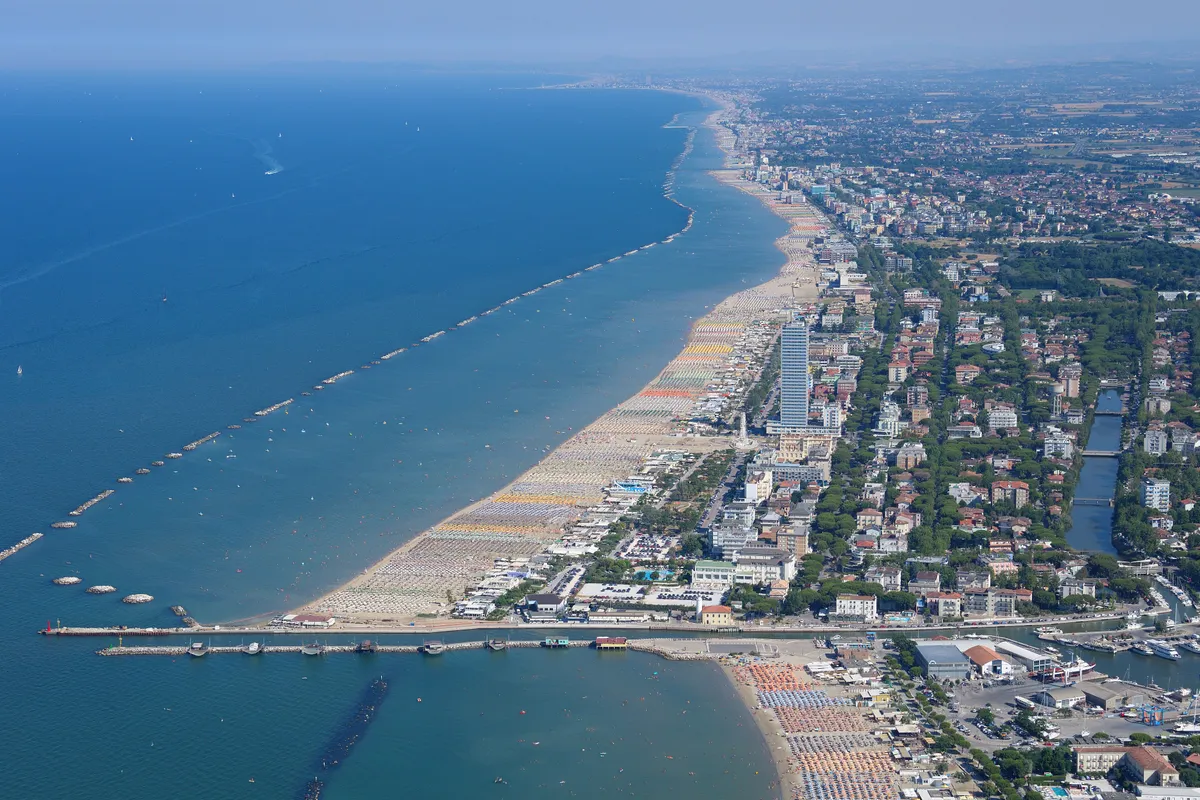
More than 120 tourists, about fifty families, arrived in the middle of the summer season in the Italian town of Cesenatico on the Romagna coast and, at the address of the apartments paid for through online platforms, found the headquarters of an insurance agency. The apartments they had booked and paid for, in fact, do not exist at all.
The scammers equipped their ads with photos of real properties and even authentic national identification codes of legal accommodation facilities. They offered a week's stay during the peak season for less than 800 euros, 50 to 60 percent below the usual price, and without a single review, which, warns the mayor of Cesenatico, Matteo Gozzoli, should have been a clear warning sign.
Many paid a deposit or the full amount in advance, and when they realized they had been scammed and tried to contact the fake owners, one of the scammers cynically snapped at them on the phone:
"You are the twentieth we have scammed these weeks. Report us, your money is already in Lithuania."
This is the largest fraud of its kind that Cesenatico has ever experienced, said Mayor Gozzoli. Local authorities and businesses reacted immediately, some hotels and campsites offered free or discounted accommodation, and on Sunday the Tourist Palace building was opened to accommodate larger families. They were provided with space with air conditioning, water, and basic services.
Similar cases have been reported in nearby Milano Marittima. The investigation points to a well-organized group that operated using prepaid cards and fictitious names. As Ferragosto, the Italian national holiday on August 15, approaches, the availability of accommodation further decreases, making it increasingly difficult to accommodate any new victims.
Although there is no direct Croatian connection in this case, it serves as a strong warning for all tourists who book their summer vacations online, including the many Croatian citizens traveling to the Adriatic. Authorities urge caution when making online reservations, especially when prices are unusually low and properties have no reviews.