Five Foods Parents Should Avoid
Popular kids' yogurts, chips, and processed meats can harm health in the long run, while persistent fatigue often stems from daily habits, not just lack of sleep.
Popular kids' yogurts, chips, and processed meats can harm health in the long run, while persistent fatigue often stems from daily habits, not just lack of sleep.
Eating habits are formed from an early age, and what children eat every day can have far-reaching consequences for their health. At the same time, a growing number of adults are facing chronic fatigue that doesn't subside even after a full night's rest. On August 4, 2026, experts released specific advice on what to avoid in children's diets and which hidden causes of exhaustion to watch out for.
Various kids' yogurts in attractive packaging featuring cartoon characters are extremely popular among little ones, but experts warn about their composition. A significant portion of these products contains sugars, food dyes, and other ingredients that, even in small amounts, can trigger allergies in young children. This was shown by a study conducted at the University of Southampton in the United Kingdom.
Instead of industrially produced fruit yogurts, the recommendation is to serve children plain yogurt with no added sugar. This way, parents can avoid unnecessary additives, and children still get the nutrients important for development.
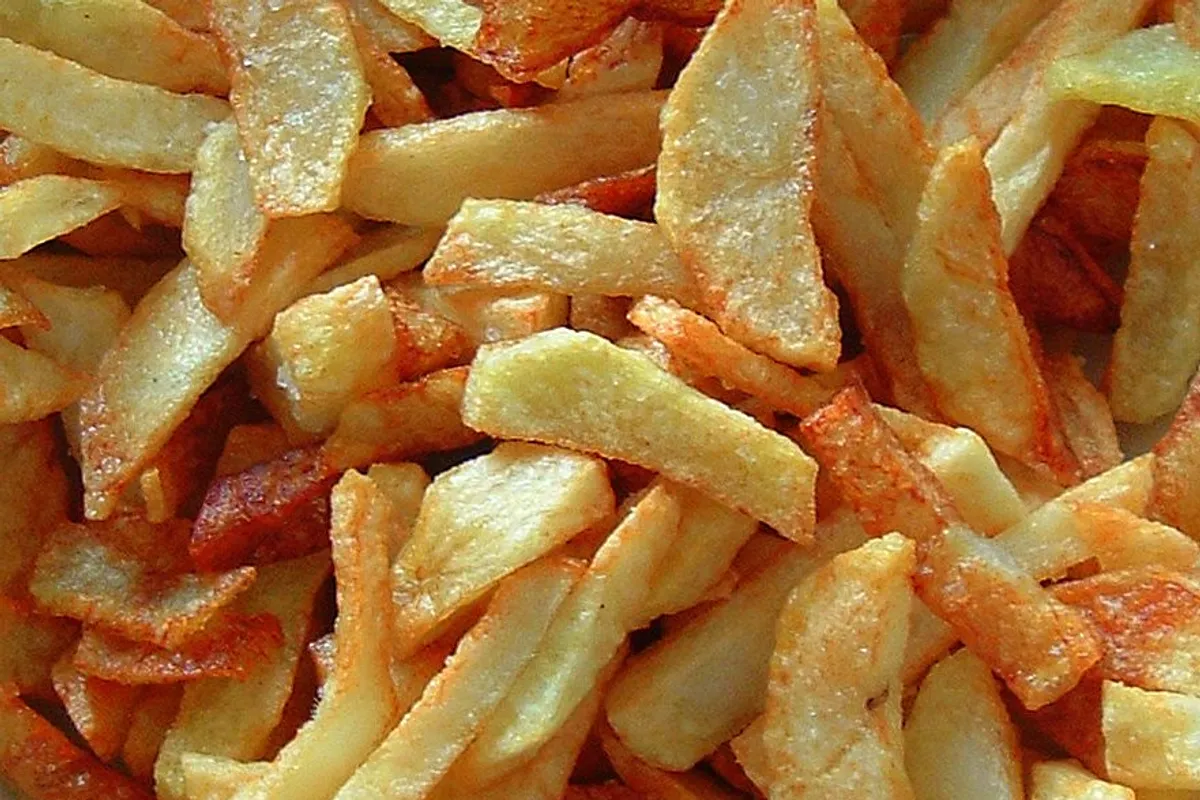
Chips are a favorite snack across generations, but they are especially harmful for children. Although made from potatoes, they are rich in fats, calories, salt, and other unhealthy ingredients. Regular consumption can lead to high blood pressure, obesity, and kidney stones. Experts don't advocate a complete ban but rather making chips at home, where parents have control over the ingredients.
The same goes for processed meats-hot dogs, specialty salamis, and hamburgers that parents often reach for when they don't have time for a proper meal. A study by the American Cancer Society showed that consuming 50 grams of processed meat daily increases the risk of colorectal cancer by 18 percent. The harm may not be immediate, experts warn, but can manifest only in adulthood.
Many parents, aware of the dangers of sugar, switch to diet versions of sodas and allow their children to have them. However, the artificial sweeteners they contain in large amounts offer no significant advantages over sugar and can actually cause more harm, both to children and adults.
Microwave popcorn is another convenient but potentially harmful snack. Some paper bags, when heated at high temperatures, can release substances harmful to a child's development. The recommendation is to return to the traditional method of making popcorn-heating corn kernels in a pot with a little olive oil.
While children's nutrition is a focus for parents, adults are increasingly facing chronic fatigue. Many assume that eight hours of sleep will recharge them for the new day, but if you still feel exhausted after quality rest, the cause may not be just lack of sleep. Chronic fatigue can result from numerous daily habits, diet, air quality, lack of physical activity, or even health issues, reports 24sata.
Experts warn that small changes in daily routines can make a big difference. Although they identified as many as 13 potential reasons that could explain low energy even after sleep, the specific list of these causes was not detailed in the published sources. Recognizing hidden causes of exhaustion, they emphasize, is the first step toward solving the problem of chronic fatigue.