Lithium Plant in Gospić Must Undergo Environmental Impact Assessment
The Ministry has retroactively determined that the facility was misclassified and, due to risks to groundwater, soil, air, and human health, is demanding a full study.
The Ministry has retroactively determined that the facility was misclassified and, due to risks to groundwater, soil, air, and human health, is demanding a full study.
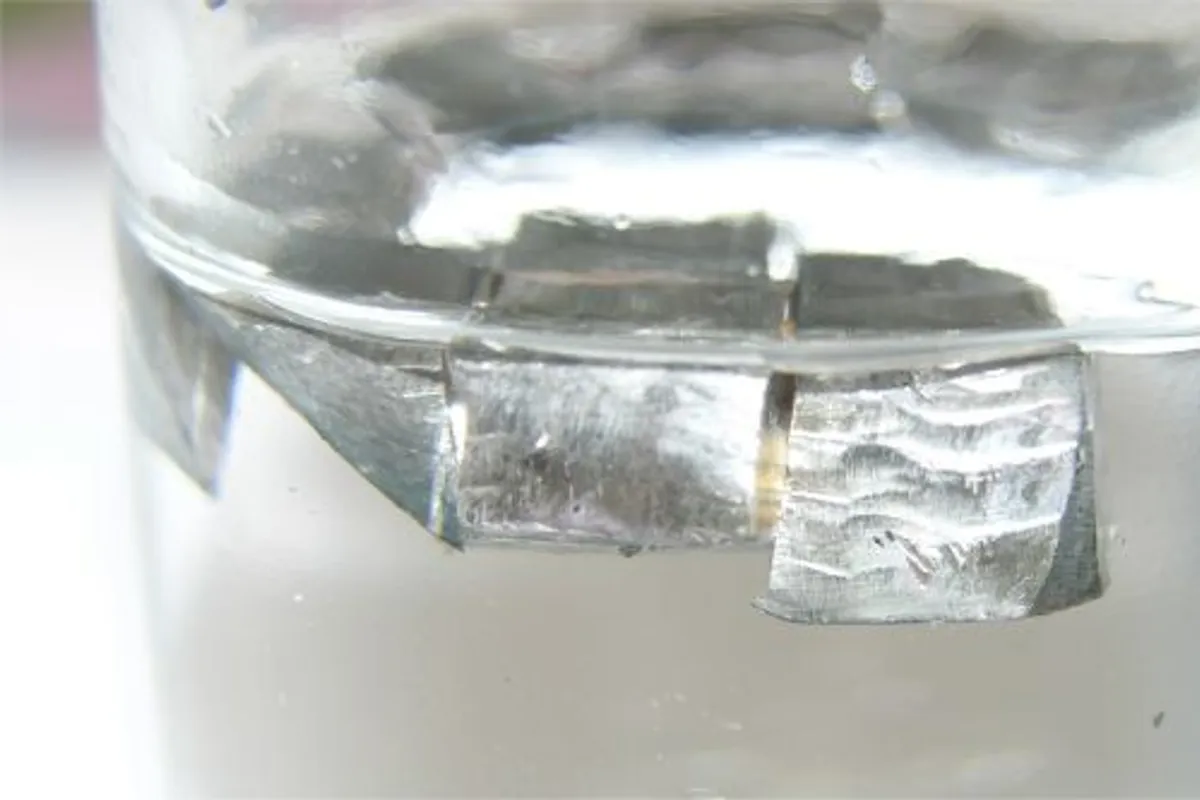
The Ministry responsible for environmental protection and green transition has requested an environmental impact assessment for the already constructed lithium processing facility located in the Smiljansko Polje Industrial Zone near Gospić. The decision was made on August 4, 2026, and was justified by potential risks to groundwater, soil, air, and human health, which cannot rule out significant negative impacts.
The investor, the company Jedro DS Innovation, erected the facility using a valid building permit and prior approvals from relevant institutions. The Ministry only later determined that the plant had been misclassified, which now requires a full environmental impact assessment procedure.
The facility would process purchased lithium carbonate through a chemical process into lithium hydroxide monohydrate, a raw material used, among other things, in battery production. The annual capacity is planned at 10,000 tons of lithium hydroxide monohydrate.
To reach this production level, approximately 8,800 tons of lithium carbonate and 7,300 tons of calcium oxide would need to be brought in each year. During the process, about 11,890 tons of calcium carbonate, a chemically produced chalk, would be generated as a byproduct. The plant is designed for continuous operation of approximately 7,600 hours per year.
According to earlier statements from the investor, around 11 million euros have been invested in the construction and equipping of the facility. The Ministry's new decision now raises questions about the project's further course and the conditions under which the plant could begin operations.
The Ministry highlighted the possibility that this chemical-industrial facility could impact water resources as the main reason for initiating the assessment.