Dried-Up Rivers Paralyze Europe: Energy, Transport, and Food Supply at Risk
Record-low water levels on the Rhine and Danube are causing power generation to plummet, hampering freight transport, and threatening economic losses across the continent.
Record-low water levels on the Rhine and Danube are causing power generation to plummet, hampering freight transport, and threatening economic losses across the continent.
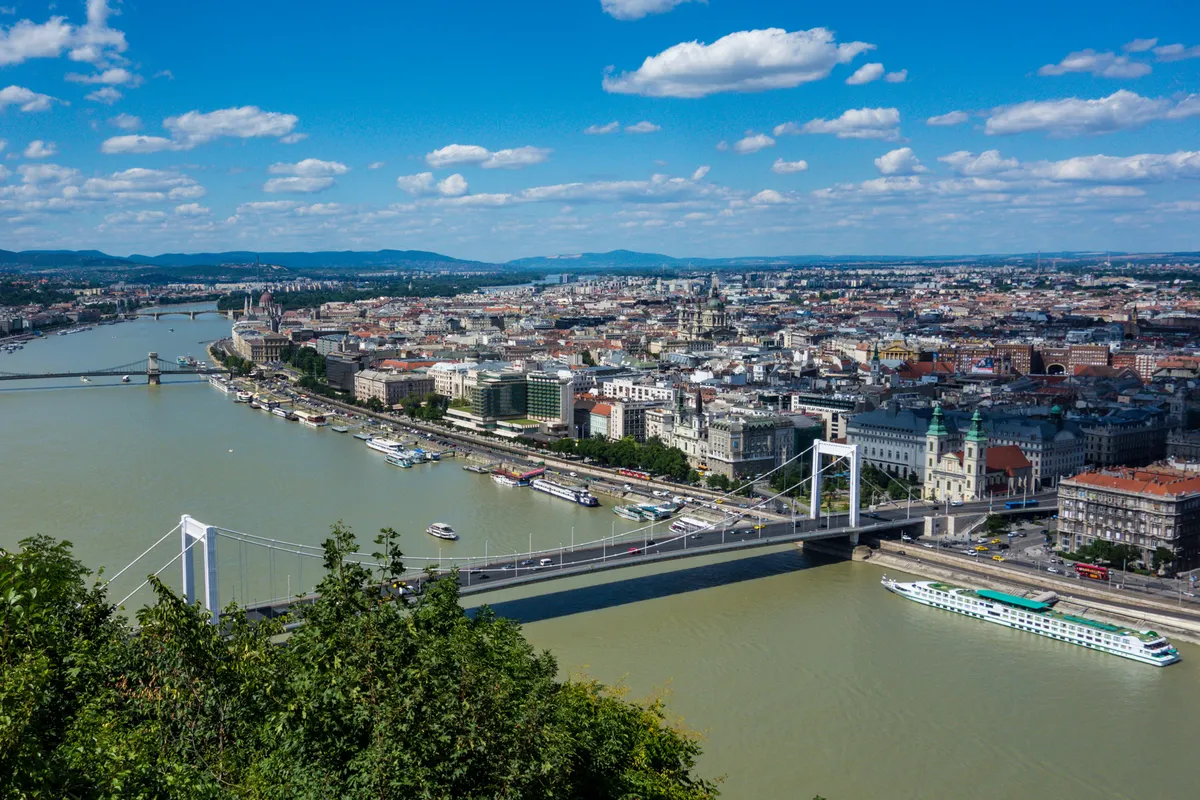
Exceptionally low water levels on key European rivers, particularly the Rhine and the Danube, have caused serious disruptions to river transport, electricity generation, and the operations of major companies. The effects of months of scarce rainfall and a prolonged heatwave are increasingly being felt across the continent, threatening the stability of energy and food supplies, reports Dnevno.hr.
"This is not just affecting one region as in the past, but the entire European space," said Alessandro Armenia, an analyst at commodity data and analytics firm Kpler, as reported by Reuters. The disruptions range from the port of Rotterdam to hydroelectric plants in Serbia, making waterways an increasingly unreliable mode of transport for grains, oil, and other goods.
Hydroelectric power generation in Serbia and nuclear power in Hungary have been severely impacted by the record-low water levels of the Danube. At the Djerdap 1 hydroelectric plant, Serbia's largest, output has fallen to just 20 percent of capacity, Davor Maljković, production director, confirmed to Reuters. Meanwhile, Hungary's Paks nuclear power plant, which produces nearly half of the country's electricity, will be shut down on Monday, potentially for several weeks, as the Danube's cooling water level is too low for safe operation.
The problem is spreading further. Romania's state-owned nuclear power producer Nuclearelectrica earlier this week shut down one of the two reactors at the Cernavodă plant, and France has also been forced to reduce nuclear power output due to low water levels and rising river temperatures. Austrian utility Verbund, which relied on hydropower for 85 percent of its generation last year, said on Thursday that dry conditions had cut earnings by around 370 million euros in the first half of the year compared with normal hydrological conditions.
Low water levels are also paralyzing river transport. Cezar Gheorghe of Romanian grain market consultancy AGRIColumn told Reuters that farmers along the Danube cannot ship their crops because cargo vessels cannot use most river ports. "Only ports closer to the Black Sea are still operational. Vessels cannot pass through the others," Gheorghe said.
On the Rhine, a key European waterway, the situation is equally alarming. At the Kaub gauge, a bottleneck for navigation between Mainz and Koblenz, the water level fell to 25 centimeters on Friday, matching the record low from 2018, reports Financije.hr, citing the Financial Times. Although the actual depth of the navigable channel is about one meter, ships can carry significantly less cargo, increasing costs and the number of trips required.
"The longer navigation restrictions last, the greater the strain," warned Marc Schattenberg, an economist at Deutsche Bank. Some economists estimate that the disruptions could shave 0.2 percentage points off German economic growth. German chemical companies such as BASF, Covestro, and Evonik, whose plants are concentrated along the Rhine, are particularly exposed. BASF CEO Markus Kamieth said it "would not be wise to rule out the possibility of force majeure declarations or shortages of certain products."
In Italy, the Po River basin has entered a state of severe water scarcity, threatening rice crops and drinking water supplies in the north of the country. Both Serbia and Hungary have announced they will compensate for the electricity shortfall with costly imports at a time when market demand is high. Although sources do not cite a direct impact on Croatia, disruptions to energy and food supplies at the European level indirectly affect the entire region.
Germany's economy ministry assessed that companies are nevertheless better prepared than in 2018, when BASF lost 250 million euros in operating profit due to forced production cuts, and that "negative consequences overall are likely to be less severe than in previous years."