Project Helix Brings the Largest Xbox Library
Unofficial documents reveal Microsoft's ambitious plan for full backward compatibility, while Doom finds a new home in MS Paint.
Unofficial documents reveal Microsoft's ambitious plan for full backward compatibility, while Doom finds a new home in MS Paint.

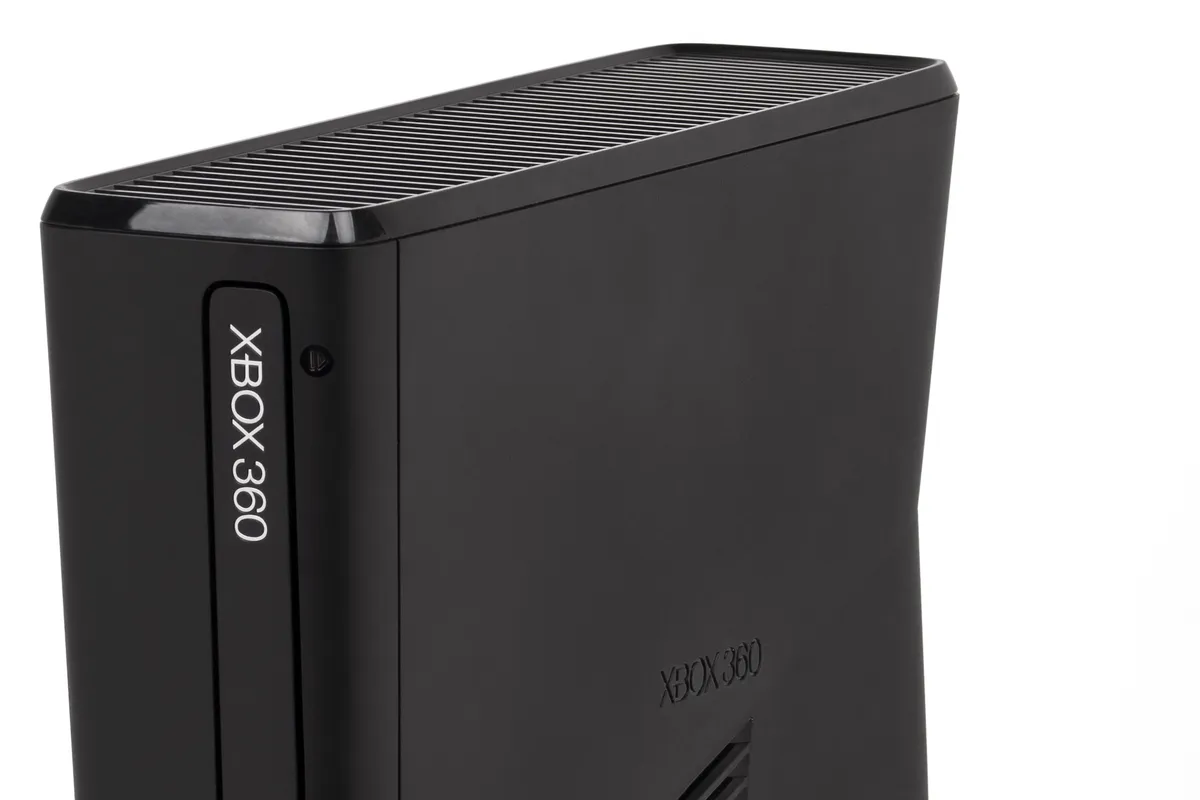
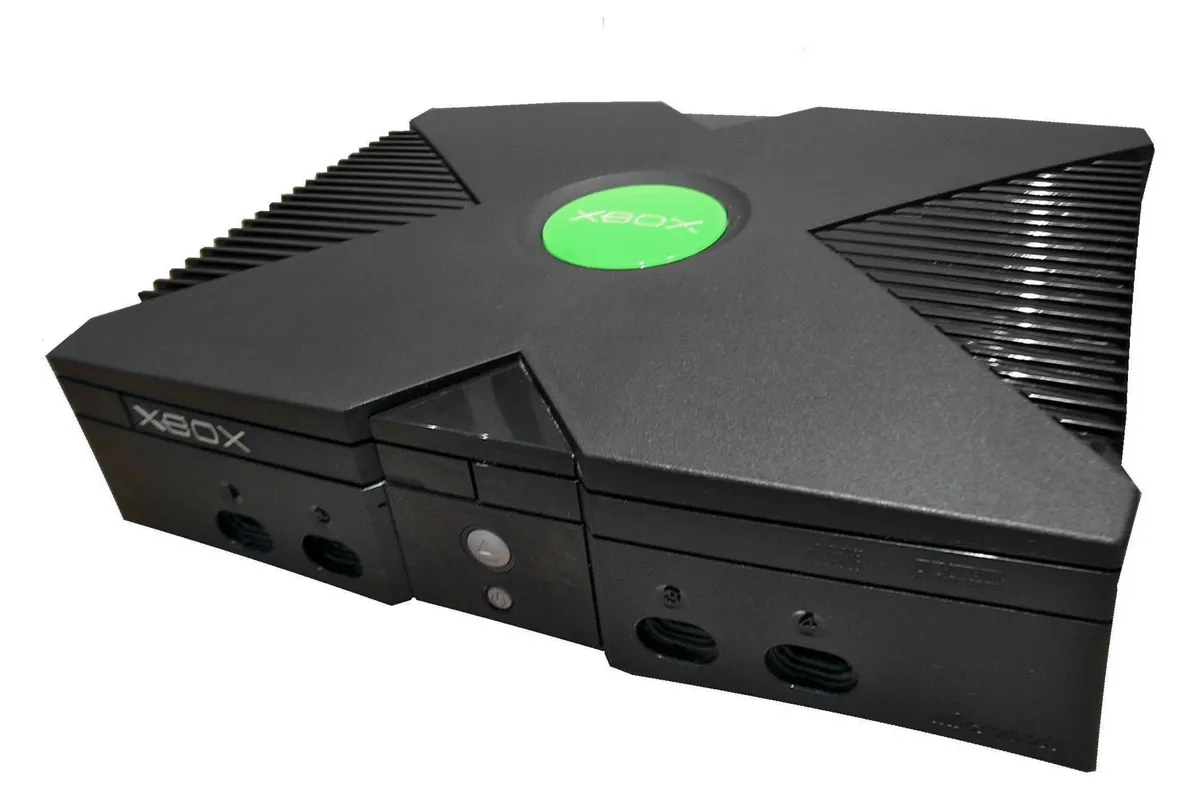
The next-generation Xbox console, codenamed Project Helix, could become the first device to unify games from all previous generations of the brand in one place. According to The Verge, citing an internal Microsoft document, the console is expected to run titles from the original Xbox (2001), Xbox 360, Xbox One, the current Series X/S models, and new games developed specifically for Helix. Additionally, it will support PC games.
Information from the leaked document sheds new light on Microsoft's long-term strategy. It was already known that the company was working on bringing part of the original Xbox library to the PC platform and developing a system for digitizing physical discs from Xbox One and Series consoles. Now it has been confirmed that this program is expanding to include Xbox 360, and the memo explicitly states that these titles will be playable on Helix as well.
The document also clarifies that digitized versions of games from Xbox One and Xbox Series discs will be permanently tied to the user's account. This means they will be available on "any Xbox device," including the future Helix console, opening up the possibility of playing titles from as many as five generations in one place.
Despite the technical capabilities, full backward compatibility is not a done deal. First, it has not yet been confirmed whether Helix will even have a physical disc drive. According to available information, Microsoft is still weighing that decision. Second, and crucially, the entire system depends on the consent of game publishers.
The leaked document is essentially Microsoft's presentation aimed at these publishers. The goal is to convince them to join the program, with the main selling point being financial benefit. "You retain the rights, control over pricing, and the brand," Microsoft states in the document. This suggests that the plan for full backward compatibility is primarily a business proposition, not just a technical feature.
Meanwhile, the cult shooter Doom from 1993 has found yet another unusual home. A project called DoomPaint, developed by Mark Russinovich, CTO of Microsoft Azure, runs the original shareware version of the game using MS Paint as the display for the action. According to Tom's Hardware, the game achieves up to 35 frames per second.
"Each frame is placed into the Windows clipboard and pasted onto Paint's canvas as a real document edit," Russinovich wrote on the project's GitHub page. The repository also includes instructions for running the game on your own version of MS Paint, and this implementation even includes sound and music.
Doom is known for its extremely efficient programming, which is why enthusiasts have been running it on the most unusual platforms for years-from lawnmowers and printers to chatbots and gut bacteria. That last feat was particularly impressive, although at the achieved frame rate, completing the game from start to finish would take about 600 years.