Smart Home Cooling: Lower Bills, More Comfort
Research shows how smart materials and traditional methods can cut air conditioning needs by 80 percent.
Research shows how smart materials and traditional methods can cut air conditioning needs by 80 percent.
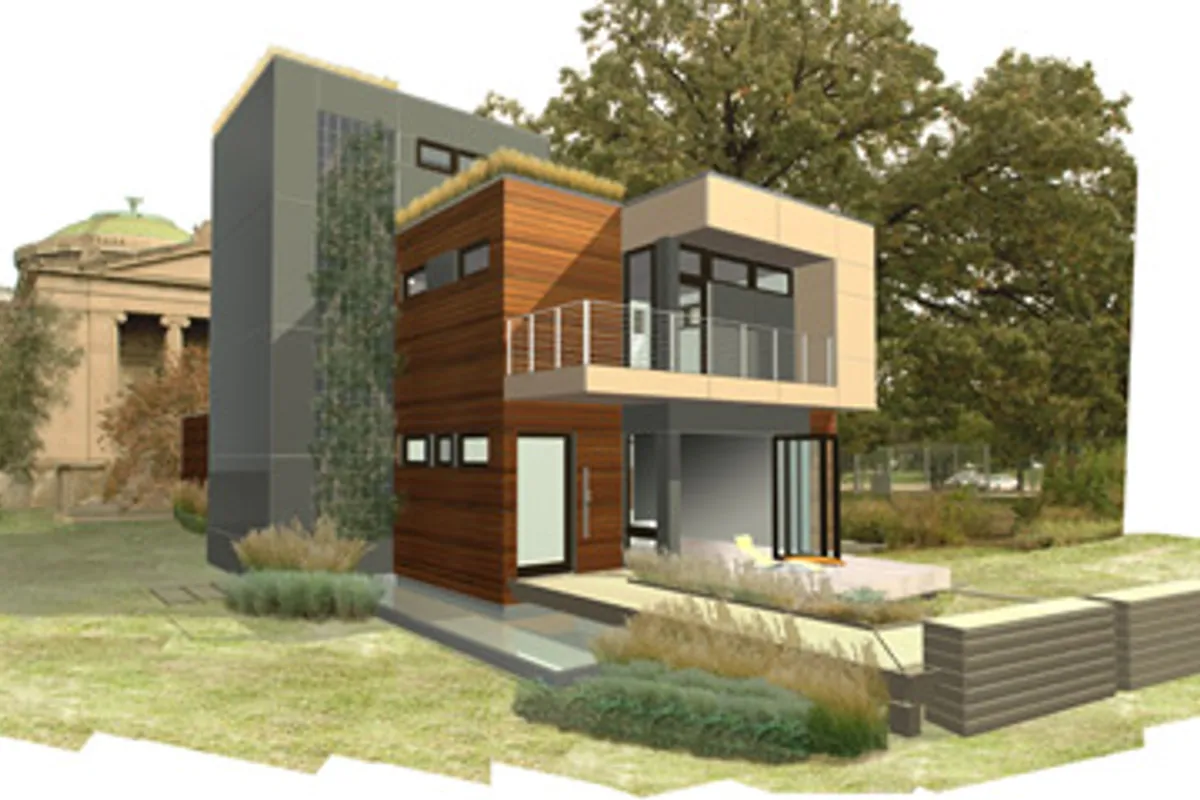
When summer heat becomes unbearable and electricity bills soar, relying on air conditioning is no longer the only or best solution. According to the International Energy Agency (IEA), air conditioners already consume about 10 percent of global electricity, and with more frequent heatwaves, this share is set to rise. New research offers concrete alternatives that can cool our homes without significant energy use.
A study published in the journal Nature Reviews Clean Technology, conducted by researchers from the University of New South Wales and RMIT University in Melbourne, emphasizes that air conditioning should be the last line of defense, not the first choice. The focus shifts to a proactive approach: preventing heat from entering living spaces in the first place.
The study's authors highlight that simple solutions such as quality shading, reflective materials on roofs and facades, and advanced ventilation systems can dramatically lower indoor temperatures before we even reach for the remote control.
Among the most effective methods highlighted in the research are radiative and evaporative cooling systems. These technologies use natural processes to dissipate heat, with the added benefit of helping retain warmth inside buildings during winter. Green roofs and materials that reflect solar heat are also seen by scientists as powerful tools in the fight against overheating.
Combining these technologies, they estimate, could reduce the need for conventional air conditioning by up to 80 percent. Moreover, applying these solutions in a broader urban context could lower city temperatures by more than four degrees Celsius, depending on local climate conditions.
Interestingly, many of these "new" solutions rely on principles that are thousands of years old. The researchers remind us that people coped with heat long before air conditioning was invented. The ancient Sumerians, for example, built homes that allowed natural air circulation and used materials that kept interiors cool.
The study's conclusion is clear: cooling our homes should not be a luxury reserved only for those who can afford high electricity bills. Energy-efficient solutions, combining ancient wisdom with modern technology, should become the standard in modern construction, making our homes more comfortable and financially sustainable.