Record Russian Gas Imports Expose the Failure of Europe's Strategy
As Brussels prepares new sanctions, data shows the EU imported a record 9.89 million tons of LNG from Russia's Yamal in the first half of 2026, up 18 percent from last year.
As Brussels prepares new sanctions, data shows the EU imported a record 9.89 million tons of LNG from Russia's Yamal in the first half of 2026, up 18 percent from last year.
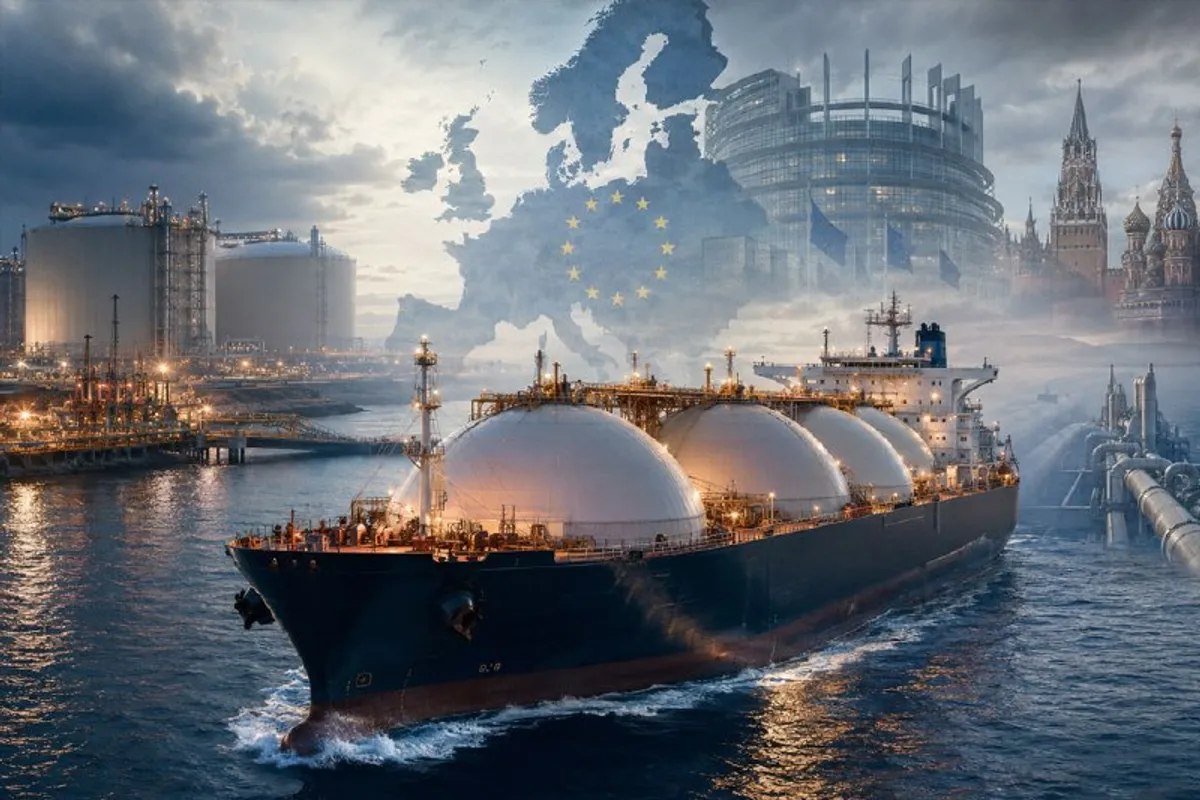
For years, European leaders have promised a permanent break from energy dependence on Moscow, but the actual data paints a completely different picture. The European Union has just reached a historic high in imports of Russian liquefied natural gas (LNG). According to Bloomberg calculations from August 5, 2026, Belgium in July relied entirely on Russian LNG, with imports of approximately 400,000 tons. At the same time, Belgium's total purchases of liquefied gas plummeted by more than 40 percent compared to the same month last year. Russia has thus confirmed its status as the second-largest LNG supplier to Europe, right behind the United States.
Based on data from analytics firm Kpler, the Financial Times reported last month that the bloc imported an unprecedented 9.89 million tons of LNG from Russia's Yamal project in the first six months of 2026. This represents an 18 percent jump compared to a year earlier. France was the main buyer, followed by Belgium and Spain. Before 2022, Russia covered approximately 45 percent of Europe's natural gas imports, and it seems the bloc has failed to absorb this blow to its own economy even after four years of harsh sanctions.
The chaotic situation has been further exacerbated by the armed conflict between the U.S. and Iran, which has practically blocked the Strait of Hormuz. About 20 percent of global oil and LNG trade passes through this crucial maritime chokepoint. Major suppliers, including QatarEnergy, have activated force majeure clauses for their shipments, forcing European buyers into a frantic scramble for increasingly expensive gas from America and West Africa. The resulting disruption has caused an explosion in prices, a jump in shipping costs, and a chain of inflationary pressures across the Union, while analysts are already warning of a serious gas shortage during the upcoming winter.
While Germany is spending five times more on gas than before its abandonment of Russian energy, Brussels has simultaneously weakened its own 21st sanctions package. After successful lobbying by Greece to allow European companies to maintain a role in transporting Russian LNG to third markets, exemptions were built in that leave this segment of trade untouched. Athens unequivocally stated that restrictions would destroy its shipping sector, and the profits would simply spill over to competitors outside Europe, once again demonstrating the limits of European solidarity.
Officials in Moscow persistently criticize European sanctions, especially those targeting the energy sector, describing them as illegal and self-destructive. Judging by the record import figures, the Kremlin has solid arguments for such claims. While European industry groans under the burden of high energy prices and citizens prepare for the cold season, financial resources for Russian gas continue to flow eastward unhindered, confirming that the entire strategy of weaning off Russian energy has ended as an expensive fiasco with no basis in reality.